South Dakota Pheasant Hunting: What to Know
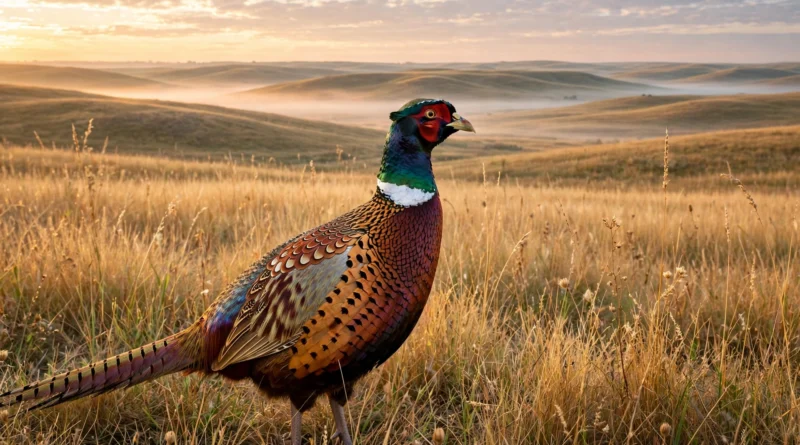
Every autumn, tens of thousands of hunters load up their trucks, their shotguns, and their bird dogs and head to the Great Plains. Their destination is South Dakota pheasant hunting — widely considered the finest ring-necked pheasant hunting in the world. South Dakota calls itself the Pheasant Capital of the World, and after more than a century of tradition, few would argue.
Whether you are planning your first upland trip or your fiftieth, understanding what to know about South Dakota pheasant hunting will make the difference between a frustrating week and a memorable one. In this guide, you will learn why the state holds its reputation, how the seasons and regulations work, where to find public hunting land, what gear to bring, and how to plan a trip that matches your style — from do-it-yourself public-land hunts to guided lodge experiences.
Key Takeaways
- South Dakota is known as the Pheasant Capital of the World, with the ring-necked pheasant as its official state bird since 1943.
- The traditional season typically runs from mid-October through the end of January, with special youth and resident-only seasons beforehand.
- The daily bag limit is 3 rooster pheasants, with a possession limit of 15, and shooting hours run from 10 a.m. local time to sunset.
- Over 1.25 million acres of walk-in access plus hundreds of Game Production Areas give public-land hunters enormous opportunity.
Why South Dakota Is the Pheasant Capital of the World
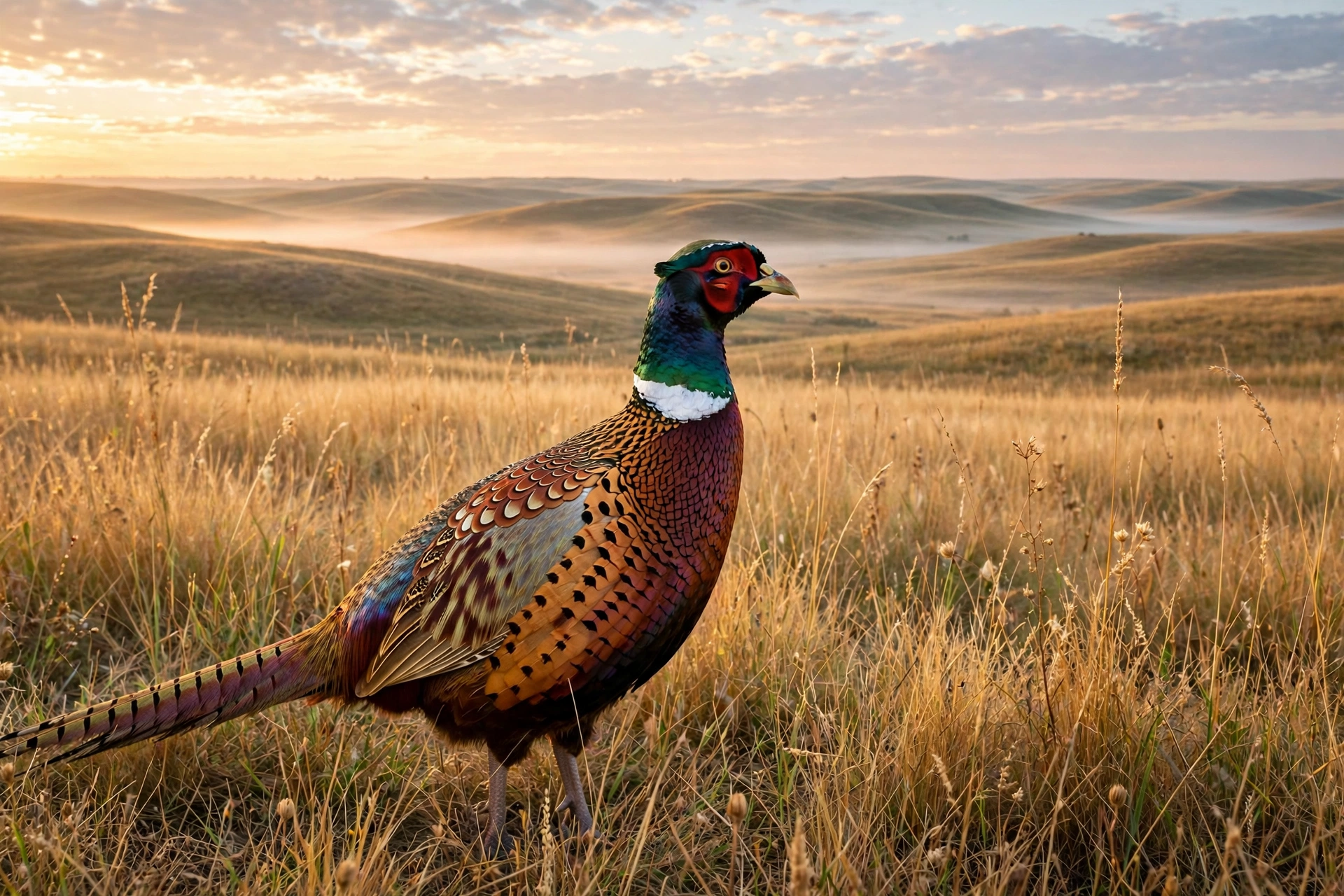
The title is not just tourism marketing. Pheasants were introduced to South Dakota in the early 1900s, the first official hunting season was held in 1919, and the bird was so central to the state’s identity that it became the official state bird in 1943. Hunting has grown into the state’s number two industry behind agriculture, and the season opener is treated like a statewide holiday in small towns across the prairie.
What sets the state apart is habitat. South Dakota still holds vast stretches of native grassland, shelterbelts, and Conservation Reserve Program (CRP) ground — the grass, wetland edges, and food plots that pheasants need to thrive. That habitat base is why the state has repeatedly produced harvests of well over a million roosters per year, even in average weather years. Conservation groups and the state continue to invest in habitat programs, because adequate grassland is what sustains pheasant populations over the long term.
Culture matters too. Towns like Huron — nicknamed “Ringneck Nation” — and Redfield roll out the orange carpet every fall. Hunters are welcomed with festivals, bird-dog competitions, and a small-town hospitality that keeps people coming back year after year.
Understanding the Season Structure
South Dakota staggers its pheasant seasons rather than opening everything at once, which is one of the key things to consider for South Dakota pheasant hunting trip planning.
First comes a youth-only season, typically held in late September and early October. It is open to resident and non-resident hunters aged 12 through 17, and youth hunters must be accompanied by an unarmed adult. Next comes a short resident-only season in early October, open only to South Dakota residents hunting on eligible public-access lands. Finally, the traditional statewide season typically opens in mid-October and runs through the end of January.
Exact dates shift slightly each year, so confirm the current season dates, shooting hours, and area-specific rules with the official regulations before you travel. Hunting late in the season can be rewarding — birds are warier but the crowds are gone — while opening weekend brings the most birds and the most company.
Licenses, Limits, and Rules
The regulatory framework for south dakota pheasant hunting is straightforward, but getting the paperwork right is essential. Every hunter needs the appropriate small game license. Nonresident hunters typically purchase a nonresident small game license valid for two 5-day hunting periods, selecting their start date when they buy. A habitat stamp is required with your first license purchase, and you must carry your license — a digital copy on your phone or the state’s official mobile app is accepted.
The bag limits are simple: the daily limit is 3 rooster pheasants, and the possession limit is 15 roosters, accruing at the rate of 3 birds per day. Shooting hours for pheasants are 10 a.m. local time to sunset statewide. There are also specific rules about hunting from public road rights-of-way — never assume every roadside ditch is open ground. Review the official South Dakota hunting license information before your trip to make sure your paperwork matches the season you plan to hunt.
Where to Hunt: Public Access Options
You do not need a private lease to hunt pheasants in South Dakota. The state’s public-access system is one of the largest in the country:
- Walk-In Areas (WIAs): More than 1.25 million acres of privately owned land leased by the state for public hunting access. These are foot traffic only — no driving off designated trails.
- Game Production Areas (GPAs): Roughly 730 state-managed areas totaling nearly 300,000 acres, managed for wildlife production and public hunting.
- Waterfowl Production Areas (WPAs): Federally owned lands managed primarily for waterfowl, but pheasants and other upland birds thrive there too.
- CREP and other enrolled lands: Lands enrolled in conservation programs that provide public hunting access under lease agreements with the state.
The state’s Public Hunting Atlas is the essential map for finding these lands, and newer access programs continue to add enrolled acres every year. The prime pheasant country is generally in central and eastern South Dakota, with the counties along the Missouri River corridor — around towns like Pierre, Chamberlain, Mobridge, and Gettysburg — offering a mix of crop-edge, rolling prairie, and rugged river-break hunting. Check out this Pheasants Forever guide to hunting across the state’s varied regions for a deeper look at what each part of the state offers.
Private options exist too: guided lodges, day hunts with outfitters, and hunting preserves. The Mitchell area has one of the highest concentrations of guides in the state, which is helpful if you want a hosted first trip before going DIY in later years.
Gear and Preparation Essentials
South Dakota pheasant hunting is a walking game, so comfort and safety are the priorities. A 12- or 20-gauge shotgun with an improved cylinder or modified choke is the standard choice, loaded with appropriate upland shot sizes. Wear blaze orange on your head and torso — not only is it required or strongly advised depending on the area, it keeps you visible to other hunters in tall cover.
Footwear matters more than almost anything else. Waterproof, well-broken-in boots will save your trip, because you will walk miles through dew-soaked grass, muddy field edges, and CRP thick with stems. Layer your clothing for prairie weather, which can swing from frost at dawn to T-shirt warmth by afternoon and back again. Bring plenty of water, snacks, a good vest or game bag, and ear protection.
A trained bird dog transforms the experience. Labrador retrievers, German shorthaired pointers, and English setters are all popular companions, flushing birds from cover and retrieving downed roosters from thick grass. If you hunt without a dog, slow down, work into the wind, and pause frequently — pheasants often hold tight and flush when you hesitate.
Planning Your Hunting Trip
Most hunters make a long weekend or a full week of their south dakota pheasant hunting trip. Small towns in pheasant country fill up fast for opening weekend and the weeks that follow, so book lodging early. Hotels, motels, farmhouse rentals, and hunting lodges all welcome hunters, and many are dog-friendly. Our guide to hotels in Wishek, North Dakota shows the kind of practical lodging planning that applies across the region’s hunting towns.
Traveling with your own rig? Many hunters drive their trucks or bring an RV — see our guide to RV storage in Minneapolis for what to consider when your trip involves the upper Midwest. On the road, give yourself an extra day on each end: October weather on the northern plains can change fast, and arriving rested makes day one far more productive.
Finally, build in time for the towns themselves. The festivals, steakhouse dinners, and conversations with locals are half the reason people return. South Dakota’s pheasant country is a place, not just a hunting ground.
Frequently Asked Questions
What should you know about south dakota pheasant hunting?
You should know that South Dakota is considered the premier pheasant hunting destination in the world, with a tradition stretching back to the first official season in 1919. The key essentials: the traditional season typically runs from mid-October through January, the daily limit is 3 roosters, shooting hours are 10 a.m. to sunset, and the state offers enormous public hunting access through walk-in areas and Game Production Areas. Nonresident licenses are available with two 5-day hunting periods.
What are the key things to consider for south dakota pheasant hunting?
The most important considerations are timing, licensing, and land access. Confirm the current year’s season dates and regulations before traveling, purchase the correct license and habitat stamp for your hunting periods, and use the Public Hunting Atlas to scout walk-in areas and Game Production Areas. Also consider physical preparation — you will walk many miles — weather-appropriate layered clothing, blaze orange for safety, and whether to bring a bird dog or hunt with a guide.
How can you make the most of south dakota pheasant hunting?
To make the most of your trip, book lodging early since small-town hotels fill up for the season, hunt the mid-season weeks for a balance of bird numbers and smaller crowds, and diversify your approach by working different cover types — grassy draws, cattail sloughs, and crop edges. Slow down in the field, hunt into the wind, and take time to enjoy the towns, food, and festivals that make pheasant season a cultural experience, not just a hunt.
Conclusion
South Dakota pheasant hunting is one of North America’s great outdoor traditions: vast skies, golden grass, the explosive flush of a rooster at your feet, and small towns that celebrate the season like a holiday. Know the seasons, get your license and stamps right, respect the limits and shooting hours, scout public land with the atlas, and prepare for walking. Plan early, hunt safely, and enjoy one of the finest upland experiences on the planet.