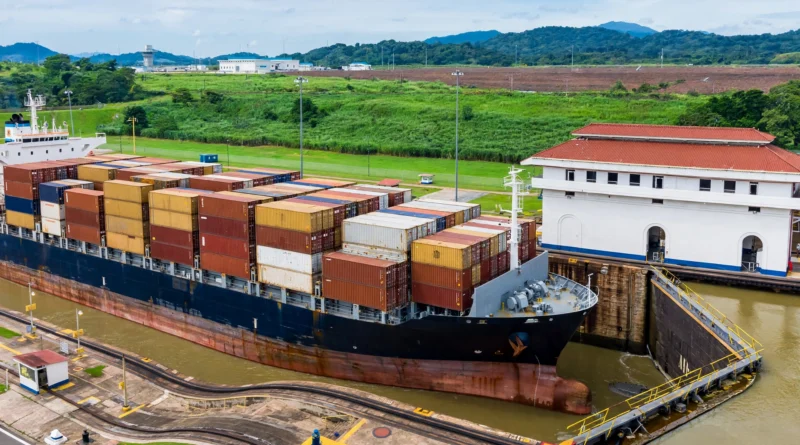
Panama Interesting Facts: Travel Guide, Tips & Highlights
Panama interesting facts go far beyond the famous canal. This narrow Central American isthmus connects two continents and two oceans, and it packs rainforests, Caribbean islands, a cosmopolitan capital, and centuries of history into one of the smallest countries in the Americas. Whether you are planning a trip or simply curious, these highlights will give you a real feel for the place.
Key Takeaways
- Panama is the land bridge between North and South America, with coastlines on both the Pacific Ocean and the Caribbean Sea.
- The Panama Canal is one of the great engineering achievements of the modern world, with visitor centers where you can watch ships pass through the locks.
- Panama has five UNESCO World Heritage sites, from Caribbean fortresses to vast national parks.
- Island escapes like San Blas and Bocas del Toro, highland coffee towns, and a vibrant capital make it easy to combine several kinds of trips in one visit.
The Panama Canal: An Engineering Wonder
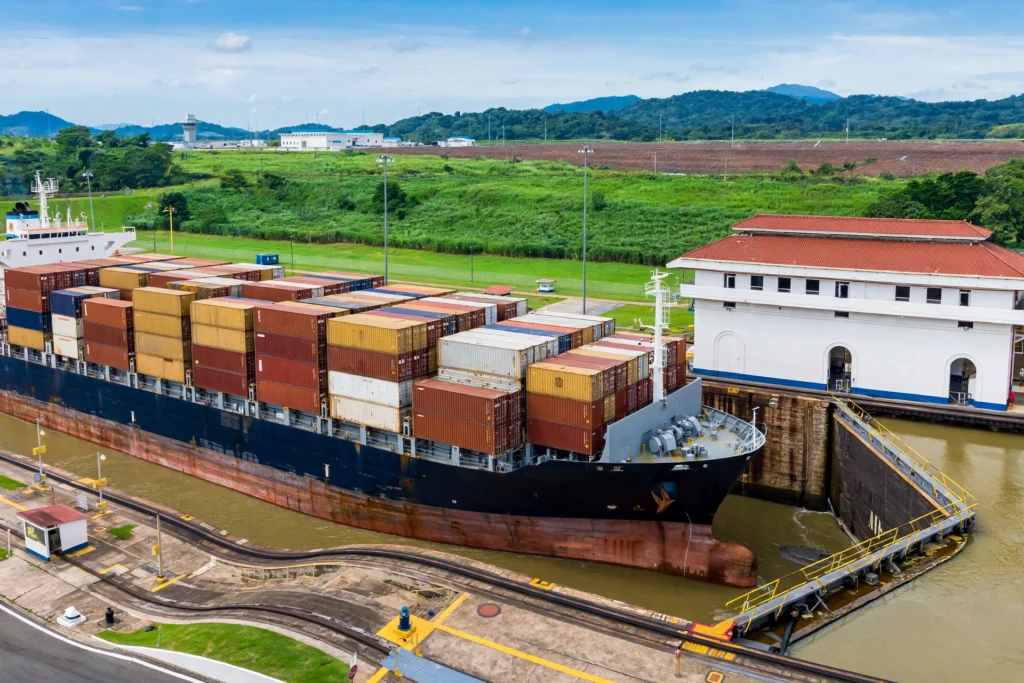
No list of Panama interesting facts can start anywhere else. The Panama Canal stretches roughly 80 kilometers across the isthmus, linking the Atlantic and Pacific oceans and saving ships a voyage of thousands of miles around South America. When it opened in 1914, it was one of the most ambitious engineering projects ever attempted, and it remains one of the busiest waterways on the planet.
One of the best ways to experience it is at the Miraflores Locks visitor center near Panama City, where observation decks let you watch massive container ships and cruise vessels rise and lower through the chambers. Exhibits walk you through the canal’s construction, its expansion with a new set of larger locks in 2016, and the water-saving basins that recycle water with every transit. Panama assumed full administration of the canal in 1999, and today it is operated by the country itself — a point of real national pride.
A Country Between Two Oceans
Panama’s geography is genuinely unusual. Because the isthmus curves in an S-shape, the sun rises over the Pacific side and sets over the Caribbean side — Panama is one of the few places on Earth where that is possible. The country is bordered by Costa Rica, Panama’s Central American neighbor to the west, and Colombia to the east, with the Darien region forming the only break in the Pan-American Highway between Alaska and Argentina.
Despite its small size, the landscape is remarkably varied: Pacific beaches, Caribbean coral reefs, cloud forests, volcanic highlands, and lowland rainforests that still cover roughly two-fifths of the country. That variety is a big reason wildlife lovers rank Panama so highly — the country is home to nearly 1,000 bird species, from toucans and parrots to the harpy eagle, Panama’s national bird.
Panama City: Where Old Meets New
Panama City is the most modern-feeling capital in Central America, with a skyline of glass towers rising beside centuries-old neighborhoods. The contrast is the point. Casco Viejo (also called Casco Antiguo or San Felipe), the walled colonial quarter, is a maze of plazas, churches, and balconied houses that now holds restaurants, rooftop bars, and boutique hotels. Nearby, the ruins of Panama Viejo mark the site of the original 1519 settlement — the oldest European-founded city on the Pacific coast of the Americas.
Just outside the urban core, the story gets wilder: the Metropolitan Natural Park protects tropical dry forest within the city limits, so you can spot sloths, toucans, and agoutis a short ride from downtown. Few capitals anywhere offer that.
Island Highlights: San Blas and Bocas del Toro
Two island groups define Panama’s beach reputation, and they could hardly be more different. The San Blas archipelago (Guna Yala) is a scatter of around 365 low-lying Caribbean islands — roughly one for every day of the year — governed by the Indigenous Guna people. Visits are typically arranged through Guna-run island stays or sailing trips, and the experience is deliberately simple: palm-fringed sand, clear water, and handmade mola textiles sold by their makers.
Bocas del Toro, on the northwestern Caribbean coast near the Costa Rican border, is livelier and more developed: surf beaches, snorkeling reefs, rainforest trails, and a backpacker-friendly main town on Isla Colon. Travelers often pair it with a few days in the highlands or a stop in Nicaragua further north to round out a Central America route.
Rainforests, Volcanoes, and Natural Wonders
Panama’s five UNESCO World Heritage sites tell the story of its natural and colonial heritage. The list includes the Fortifications on the Caribbean Side of Panama at Portobelo and San Lorenzo, the jungle-clad Darien National Park, Coiba National Park and its marine reserve (a former penal colony turned conservation showcase), the transboundary Talamanca Range-La Amistad reserves shared with Costa Rica, and the newly inscribed Colonial Transisthmian Route. You can browse the full list on UNESCO’s official Panama country page.
Other natural highlights are worth knowing: Volcan Baru, the country’s highest peak, where clear-day views can stretch to both oceans; El Valle de Anton, a mountain town set inside an extinct volcanic crater; and the Pearl Islands in the Gulf of Panama, known for seasonal whale watching. Boquete, in the Chiriqui highlands, anchors Panama’s specialty coffee region, where shade-grown beans thrive in the cool mountain air.
Culture, Food, and Everyday Life
Panama’s culture blends Indigenous, Spanish, African, and Caribbean influences, and it shows in the music, festivals, and food. Carnival season brings some of the region’s biggest street celebrations. The pollera, Panama’s elaborately embroidered national dress, is considered one of the most beautiful traditional costumes in the Americas, and Guna mola panels — reverse-appliqué textile art — are collected worldwide.
On the table, expect sancocho (a hearty chicken soup often called the national dish), fresh ceviche, patacones (twice-fried plantains), and excellent tropical fruit. One classic trivia point: the woven “Panama hat” actually originates in Ecuador — it picked up the name because prospectors bought them while crossing Panama during the California Gold Rush.
Everyday logistics are traveler-friendly: Panama uses the US dollar alongside its own balboa currency at a one-to-one rate, so American visitors skip the money-changing math, and the country’s official information portal is a solid starting point for trip planning.
Practical Tips for Visiting Panama
A little planning goes a long way here. The dry season, roughly December through April, brings the most reliable weather, especially on the Pacific side; the Caribbean coast and Bocas del Toro can see rain year-round, with greener landscapes and thinner crowds as the trade-off. Distances look short on the map, but mountain roads, boat transfers, and domestic flights mean you should build in travel time between regions rather than trying to see everything in one short trip.
Spanish is the official language, though English is widely spoken in Panama City, the canal zone, and major tourist areas. Dress is casual just about everywhere outside fine-dining rooms in the capital. And because Panamanians drive on the right and the highway network is decent, renting a car works well for highland and beach loops — while island destinations like San Blas and Bocas are reached by arranged boats or short domestic flights.
Frequently Asked Questions
What should you know about panama interesting facts?
The essentials: Panama is the narrow isthmus joining North and South America, home to the world-famous canal, coastlines on two oceans, five UNESCO World Heritage sites, and extraordinary biodiversity packed into a small area. It gained independence from Colombia in 1903, uses the US dollar alongside the balboa, and blends Indigenous, Spanish, African, and Caribbean cultures. Knowing this much gives you the context to appreciate everything else you will see and do there.
What are the key things to consider for panama interesting facts?
Consider what kind of trip you want. Panama City and the canal suit history and city lovers; San Blas and Bocas del Toro are for beach and island time; Boquete and Volcan Baru appeal to hikers and coffee fans; Darien and Coiba draw serious nature travelers. Also consider the season — drier months are easiest for multi-region itineraries — and the reality that travel between regions takes longer than the map suggests, so prioritize two or three areas rather than rushing through five.
How can you make the most of panama interesting facts?
Turn the facts into experiences: watch a ship transit the Miraflores Locks, walk the walls of Casco Viejo, take a boat out to a Guna-run island in San Blas, look for sloths on a rainforest trail, and taste your way through sancocho, ceviche, and highland coffee. Mixing one city stop, one nature stop, and one island stop in a single trip is the classic formula — and it works because Panama’s small size makes that combination genuinely doable.
Conclusion
Panama interesting facts add up to something bigger than trivia: a country where two oceans nearly touch, where a canal reshaped global trade, and where rainforest, islands, and a buzzing capital sit within hours of each other. Come for the canal, stay for the islands, the wildlife, and the culture — Panama rewards travelers who look past the headline attraction and explore the rest of the isthmus.