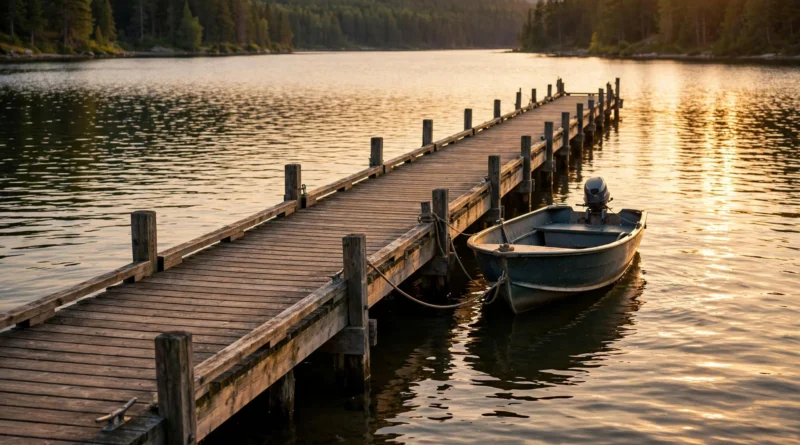
Boat Dock Installer: What to Know
A boat dock installer is the professional you turn to when you want a safe, sturdy structure where you can moor your boat, launch a kayak, or simply sit and watch the water. Whether you own a lakefront home, manage a small marina, or just bought your first waterfront lot, getting the dock built correctly matters: a poor installation can shift, rot, or even collapse, while a professional job can last for decades with routine care.
This guide walks through what a boat dock installer actually does, the dock types they work with, how to choose the right one, what the installation process looks like, and the questions to ask before you hire. By the end, you will know how to plan your next step with confidence.
Key Takeaways
- A boat dock installer assesses your shoreline and water conditions, handles permits where needed, and builds or assembles your dock to withstand the local environment.
- Dock types include floating, stationary (piling), roll-in, sectional, pipe, and crib docks — the right choice depends on water depth, bottom firmness, water-level fluctuation, and seasonal ice.
- Always confirm permits and shoreline regulations with your local authority before installation begins; a reputable installer will guide you through this.
- Common materials are pressure-treated wood, aluminum, steel, composite, and plastic — each with different trade-offs in cost, maintenance, and lifespan.
- Get multiple written quotes, verify insurance and references, and ask about warranties on both workmanship and materials.
What a Boat Dock Installer Does
A boat dock installer is a specialist contractor who designs and installs docks for private and commercial waterfronts. The job typically starts with a site visit: the installer measures water depth at the shoreline, checks the bottom composition (sand, mud, rock), notes wave action and boat traffic, and looks at how the water level changes through the seasons.
Based on that assessment, the installer recommends a dock type and layout, prepares a design, and — in many areas — helps you obtain the necessary permits from local or regional authorities. Once the design is approved, the installer builds or assembles the dock on site, anchors it properly, adds accessories like cleats, bumpers, ladders, and lighting, and walks you through basic maintenance.
Some installers manufacture their own dock systems; others are certified dealers for dock product lines. If your project includes buying or upgrading the boat itself, it helps to know what CE stands for in ship terminology — the certification marking used on vessels in many markets. Either way, what separates a good installer from a risky one is thorough site assessment, transparent pricing, and a track record of docks that survive storms, ice, and years of daily use.
Types of Boat Docks an Installer Can Build
Understanding the main dock types helps you speak the installer’s language and spot when a recommendation does not fit your site. For a deeper comparison of floating, stationary, and sectional designs, see this detailed boat dock installation guide from Pearce Marine.
Floating Docks
Floating docks rest on the water’s surface, supported by buoyant floats. They rise and fall naturally with changing water levels, which keeps the boarding height consistent — a real advantage on tidal waters or reservoirs with seasonal drawdown. They are modular, relatively quick to install, and can be towed to shore for winter or storm protection. The trade-off is that they can feel less rigid underfoot and move in rough water.
Stationary (Piling) Docks
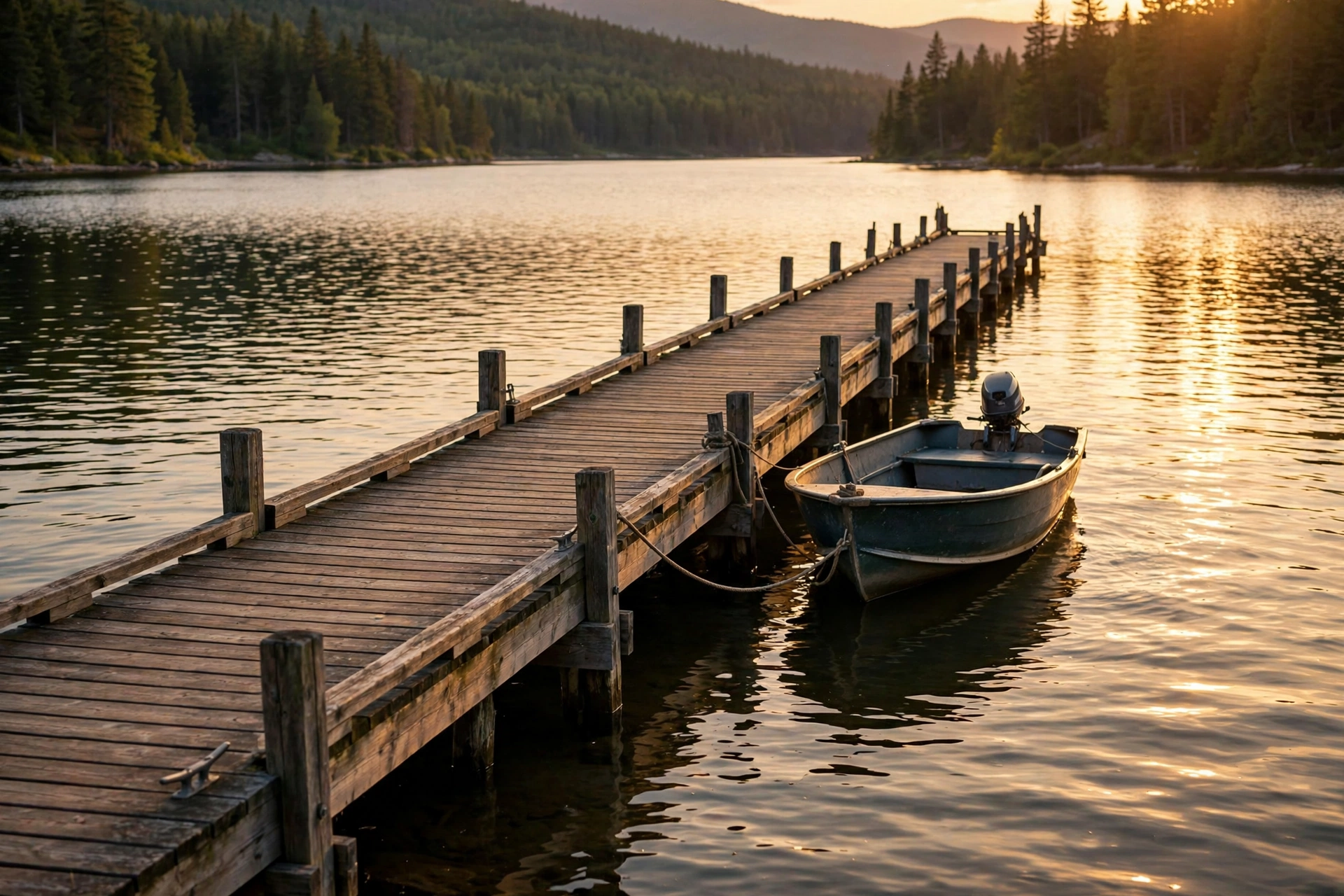
Stationary docks are built on pilings driven into the lake or riverbed, creating a rock-solid platform that resists wave action and heavy boat traffic. They suit shallow water with a firm bottom and stable water levels. The fixed elevation is the main drawback: if the water drops significantly, the dock can end up uncomfortably high; if it rises, it can flood.
Roll-In and Sectional Docks
Roll-in docks have wheeled sections you roll in and out each season — ideal for shallow, gradually sloping shorelines where winter ice would destroy a permanent structure. Sectional docks are similar but carried rather than wheeled, working better on irregular shorelines. Both are seasonal solutions that you (or the installer) remove before freeze-up.
Pipe and Crib Docks
Pipe docks are a simple, budget-friendly option for shallow water with a firm bottom, using adjustable legs on pipe frames. Crib docks are the opposite: heavy timber cribs filled with stone, extremely durable and stable but expensive and labor-intensive to build. Your installer will tell you honestly whether either fits your site.
Dock Materials: Pros and Trade-Offs
Your installer will likely offer several material choices. Pressure-treated wood is the classic option — attractive and affordable, but it needs periodic sealing and eventually rots, especially in salt water. Aluminum frames with composite or plastic decking are popular modern choices: lightweight, corrosion-resistant, and low-maintenance, though the upfront cost is higher.
Steel offers maximum strength for heavy-duty or commercial docks but demands corrosion protection. Plastic and composite decking boards resist rot and splintering and stay cooler underfoot than dark wood, but they can be pricier and may fade over time. A good installer will match the material to your climate, water chemistry, budget, and how much maintenance you are willing to do.
Permits and Regulations You Should Know About
Before any boat dock installer starts work, check what your local jurisdiction requires. Many areas regulate shoreline structures through environmental agencies, harbor authorities, or planning departments. Permits commonly cover dock length and width, distance from neighboring properties, materials that may leach into the water, and construction timing to protect fish spawning seasons.
Professional installers usually know the local rules and can prepare the application paperwork for you — this is one of the clearest signs you are dealing with a legitimate operator. Be cautious of anyone who suggests building without permits where they are clearly required: unpermitted docks can be ordered removed, and fines can exceed the installation cost.
How to Choose the Right Boat Dock Installer
Start by asking around: neighbors with docks, local marinas, and waterfront property forums are honest sources of referrals. Then evaluate each candidate against these criteria:
- Specialization: Choose someone whose core business is docks and marine construction, not a general handyman who builds docks occasionally.
- Insurance and licensing: Verify general liability coverage and any contractor licenses your area requires. Ask for proof in writing.
- References and portfolio: Look at installed docks in person if possible. A few years of weathering tells you more than a brochure photo.
- Written quote: Get an itemized estimate covering design, materials, labor, permits, accessories, and any shoreline preparation. Vague lump sums invite surprises.
- Warranty: Ask what is covered on workmanship versus materials, and for how long. Reputable installers put this in the contract.
Get at least three quotes. Prices vary widely by region, dock type, and materials, so comparing detailed estimates — not just totals — shows you where each installer is investing and where they may be cutting corners. If you are still weighing a waterfront purchase, our guide to secret beach vacation rentals shows how much a good dock changes a property’s appeal.
What Installation Day Looks Like
For a modular floating or sectional dock, installation can take a single day: sections arrive, floats are attached, the dock is launched and anchored, and accessories are fitted. Stationary and crib docks take longer — days to weeks — because pilings must be driven or cribs built and filled, sometimes with barges or pile-driving equipment.
Expect some shoreline disruption: equipment access, material staging, and possibly minor grading. A considerate installer minimizes damage to the shoreline, removes all construction debris, and leaves the site clean. For a full walkthrough of the build process from planning to finishing touches, see Tonka Built’s step-by-step dock installation guide. Before they leave, walk the dock together: check that decking is secure, cleats and ladders are firmly mounted, the structure feels stable, and the anchoring suits your water conditions.
Maintenance Tips After the Install
Your installer should hand you a maintenance checklist. In general, inspect the dock each spring and fall: tighten hardware, check floats and pilings for damage, wash off algae and debris, and reseal wood as recommended. Remove seasonal docks before ice forms, and secure or tow floating docks to protected water ahead of major storms.
Small repairs — a loose board, a worn bumper, a corroded bolt — are cheap when caught early and expensive when ignored. Many installers offer annual service visits, which can be worth it for larger or complex systems.
Frequently Asked Questions
What should you know about boat dock installer?
A boat dock installer is a specialist contractor who evaluates your shoreline and water conditions, recommends the right dock type and materials, handles permits where needed, and builds or assembles the dock to withstand local waves, ice, and water-level changes. Hiring one is the safest route to a dock that is stable, legal, and durable — most jurisdictions also require professional-grade installation for anything beyond a small seasonal platform.
What are the key things to consider for boat dock installer?
The key things to consider are the installer’s specialization in marine work, proof of insurance and licensing, a portfolio of docks you can inspect, itemized written quotes, and a clear warranty on workmanship. Equally important is how they handle site assessment and permits: a thorough professional measures water depth, checks bottom conditions, and knows your area’s shoreline regulations before quoting.
How can you make the most of boat dock installer?
You make the most of a boat dock installer by preparing before the site visit: note your water depth, typical wave action, whether water levels change seasonally, and how you plan to use the dock (mooring, fishing, swimming, launching kayaks). Get three itemized quotes, ask for references, clarify who handles permits, and schedule the work early in the season so the dock is ready for summer. After installation, follow the maintenance checklist to protect your investment.
Conclusion
Hiring a qualified boat dock installer turns a complex shoreline project into a straightforward one. With a professional site assessment, the right dock type for your water conditions, proper permits, and quality materials, your dock will serve you safely for many seasons. Do your homework, compare quotes, and invest in maintenance — your future self, boarding the boat on a calm morning, will thank you.