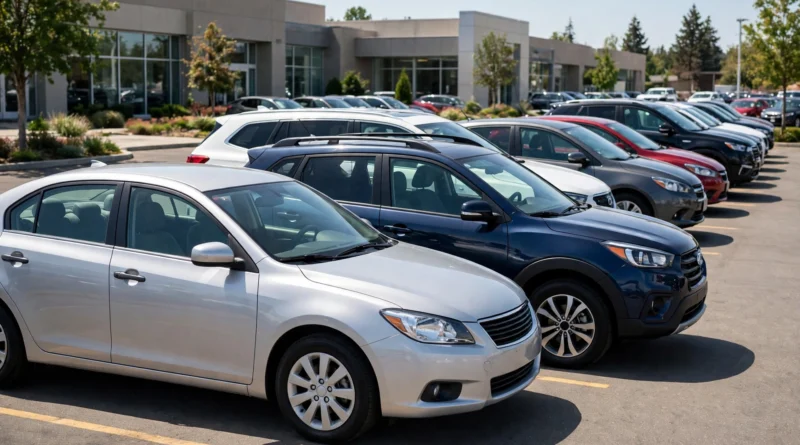
Best Used Cars to Buy: How to Choose a Reliable One Without Overpaying
Direct Answer
The best used cars to buy are not simply the cheapest cars, or the ones with the most famous badge. They are the cars that pass four checks: a clean title, a vehicle history that matches what the seller claims, no unrepaired safety recalls, and a passing inspection by an independent mechanic. A well-maintained, ordinary model with full service records is usually a safer buy than a flashier model with gaps in its history, a rebuilt title, or a seller who will not let you inspect it.
This guide walks through how to buy a used car step by step: setting a total budget, shortlisting reliable models, checking the VIN and title, inspecting and test-driving the car, and negotiating a fair price. It also answers the questions buyers actually ask — how old is too old, how many miles are too many, whether certified pre-owned is worth it, and how leasing compares with buying.
Key Takeaways
- The best used cars to buy are chosen on condition and history first, and on brand reputation second.
- Always check the VIN for open recalls at NHTSA, read the title for salvage or rebuilt branding, and get an independent pre-purchase inspection before you pay.
- Set a total budget that includes taxes, registration, insurance, and money set aside for immediate maintenance — not just the sticker price.
- A clean, well-documented car with higher mileage can be a better buy than a low-mileage car with no records, flood damage, or hidden accident history.
- Walk away from any seller who refuses an inspection, rushes you, or cannot explain a gap in the car’s history.
What Does “Best Used Cars to Buy” Really Mean?
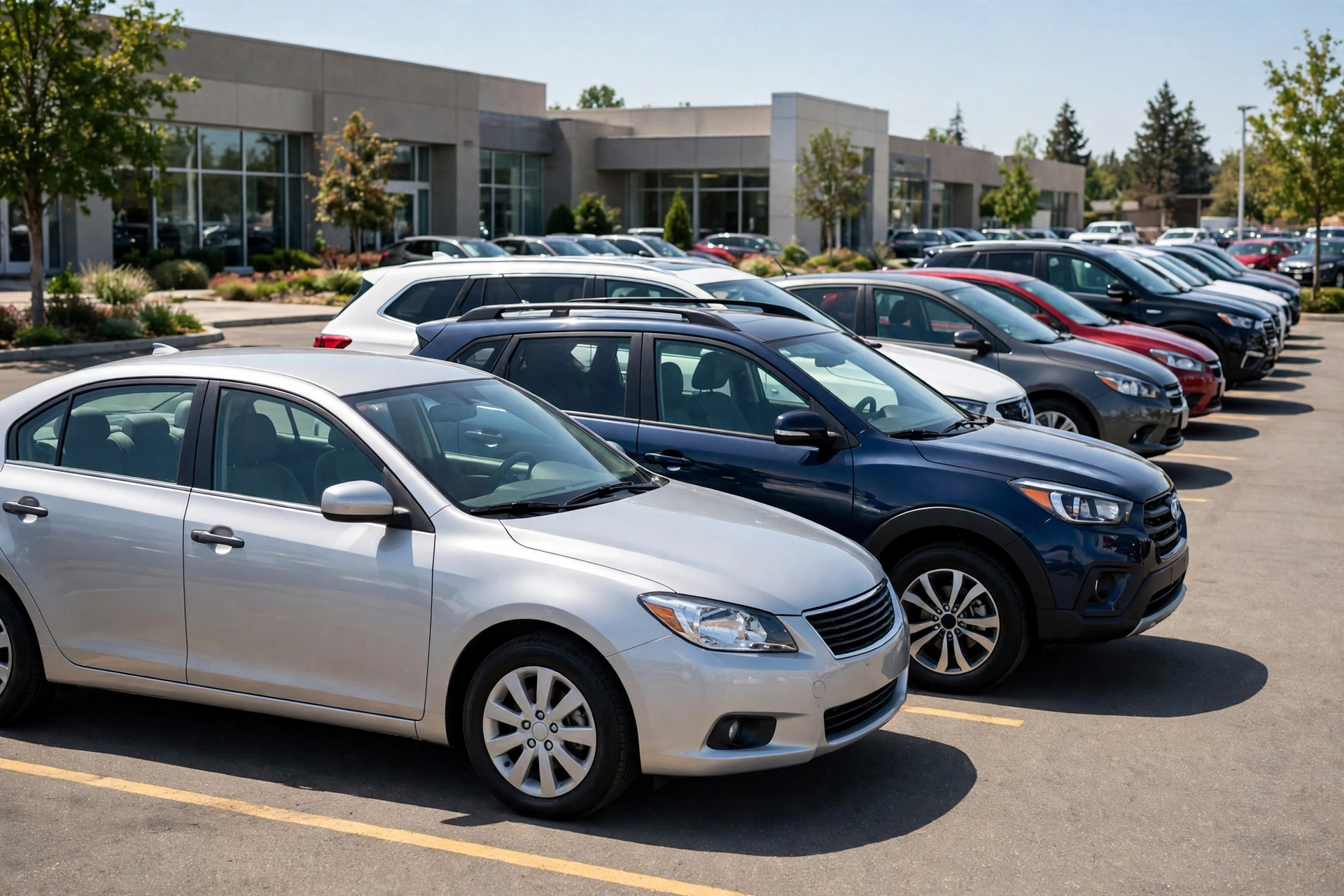
Search results for the best used cars to buy mix two different things: lists of models, and buying guides. Both matter, but they answer different questions. A model list tells you which cars tend to hold up well. A buying guide tells you whether the specific car in front of you is a good example of that model. You need both, because condition beats reputation every time.
A reliable used car is usually a common model with simple, widely available parts, a straightforward engine and transmission, and a track record of owners keeping up with maintenance. That is why the same names keep appearing on reliability shortlists: sedans such as the Toyota Camry, Toyota Corolla, Honda Civic and Honda Accord, and SUVs such as the Toyota RAV4 and Honda CR-V. None of that makes any single example automatically good. A neglected Camry can cost more to fix than a well-kept car from a less famous brand, and a clean example of an ordinary model is often the smartest purchase of all.
Think of the purchase in three layers: the model, the individual car, and the deal. The model sets the odds. The individual car’s history, title, and inspection result tell you whether this one beats those odds. The deal — price, fees, and terms — decides whether it is worth it at the asking price.
Step 1: Set a Total Budget Before You Shop
Start with the total cost of ownership, not the advertised price. The sticker price is only part of what you will pay in the first year.
- Purchase price and fees: taxes, title and registration fees, and any dealer documentation fee. Ask for the out-the-door total in writing before you negotiate.
- Insurance: get a quote by VIN before you commit, because the same car can cost very different amounts to insure depending on the model, your location, and your coverage.
- Immediate maintenance fund: tyres, brakes, battery, fluids, and filters are wear items. Even a good used car may need some of these soon after purchase, so keep money aside for them rather than spending every dollar on the car itself.
- Ongoing costs: fuel, routine servicing, and the model’s known weak points. A car that is cheap to buy but expensive to repair is not a bargain.
A useful rule is to leave room in the budget after the purchase. If buying the car leaves nothing for an inspection, a tyre, or a brake job, the budget is too tight for that car, however tempting the listing looks.
Step 2: Shortlist the Best Used Cars to Buy for Your Life
Shortlist by need first, and by badge second. A commuter, a family, and a tradesperson need different cars, and the best used cars to buy for one buyer may be wrong for another.
| Buyer need | Sensible shortlist types | What to prioritise |
|---|---|---|
| Daily commuting | Compact sedan or hatchback | Fuel economy, simple drivetrain, cheap parts |
| Family driving | Midsize sedan or small SUV | Safety features, rear space, crash-test record |
| Long motorway miles | Midsize sedan or crossover | Comfort, driver-assistance features, service history |
| Hauling or towing | Pickup or larger SUV | Towing rating, frame condition, transmission service |
| Tight city parking | Small hatchback | Size, visibility, low running costs |
Once you have a type, narrow it to two or three models with strong reliability reputations and parts that any independent garage can source. Then research those models specifically: common faults by model year, whether a timing belt or chain is fitted, and whether any model year has a known weak transmission or engine. Model-year research matters more than brand loyalty, because a single weak year can turn an otherwise reliable model into a money pit.
Step 3: Check the VIN, Title, and Recall Status
Before you fall in love with a car, check its identity. Every car built since 1981 has a 17-character Vehicle Identification Number (VIN), found on the driver’s side of the dashboard near the windscreen, on the driver’s door jamb sticker, and on the title and registration documents. All of them must match. A mismatch is a red flag on its own.
How to look up a VIN number
Run the VIN through a vehicle history report and through the free NHTSA recall lookup. The history report can show reported accidents, flood or fire damage, odometer readings over time, title brands, and whether the car was ever a rental or fleet vehicle. The recall lookup shows whether that exact car has an unrepaired safety recall. Our guide to how to look up a VIN number (https://updatemag.com/look-up-vin-number/) explains where to find the number and what a decoder can and cannot tell you.
Read the title carefully
The title tells you how the car is legally classified. Watch for these brands:
- Clean title: no major damage branding recorded. This is what you want.
- Salvage title: the car was declared a total loss by an insurer, usually after a crash, flood, or fire.
- Rebuilt title: a salvage car that was repaired and passed a state inspection to return to the road. It can be roadworthy, but it is harder to insure, harder to sell later, and its repair quality is difficult to verify.
- Flood title: flood damage can corrode wiring and electronics long after the car looks clean again. Treat any flood history as a reason to walk away unless a specialist inspection proves otherwise.
Also check for liens: a car with an outstanding loan against it cannot be cleanly transferred until that loan is settled. Ask the seller to show the title in their name, and be wary of “title jumping”, where the seller never registered the car in their own name.
Check for open recalls
Used cars can legally be sold with unrepaired safety recalls, unlike new cars, so checking is your job as the buyer. Enter the VIN at NHTSA’s free recall lookup (https://www.nhtsa.gov/recalls). If the result shows an open recall, ask the seller to have it repaired before delivery — safety recall repairs are normally free at a franchised dealer for that brand — or factor the risk into your decision. A “do not drive” or “park outside” warning changes the purchase entirely: do not drive the car home until it is fixed.
Step 4: Get an Independent Pre-Purchase Inspection
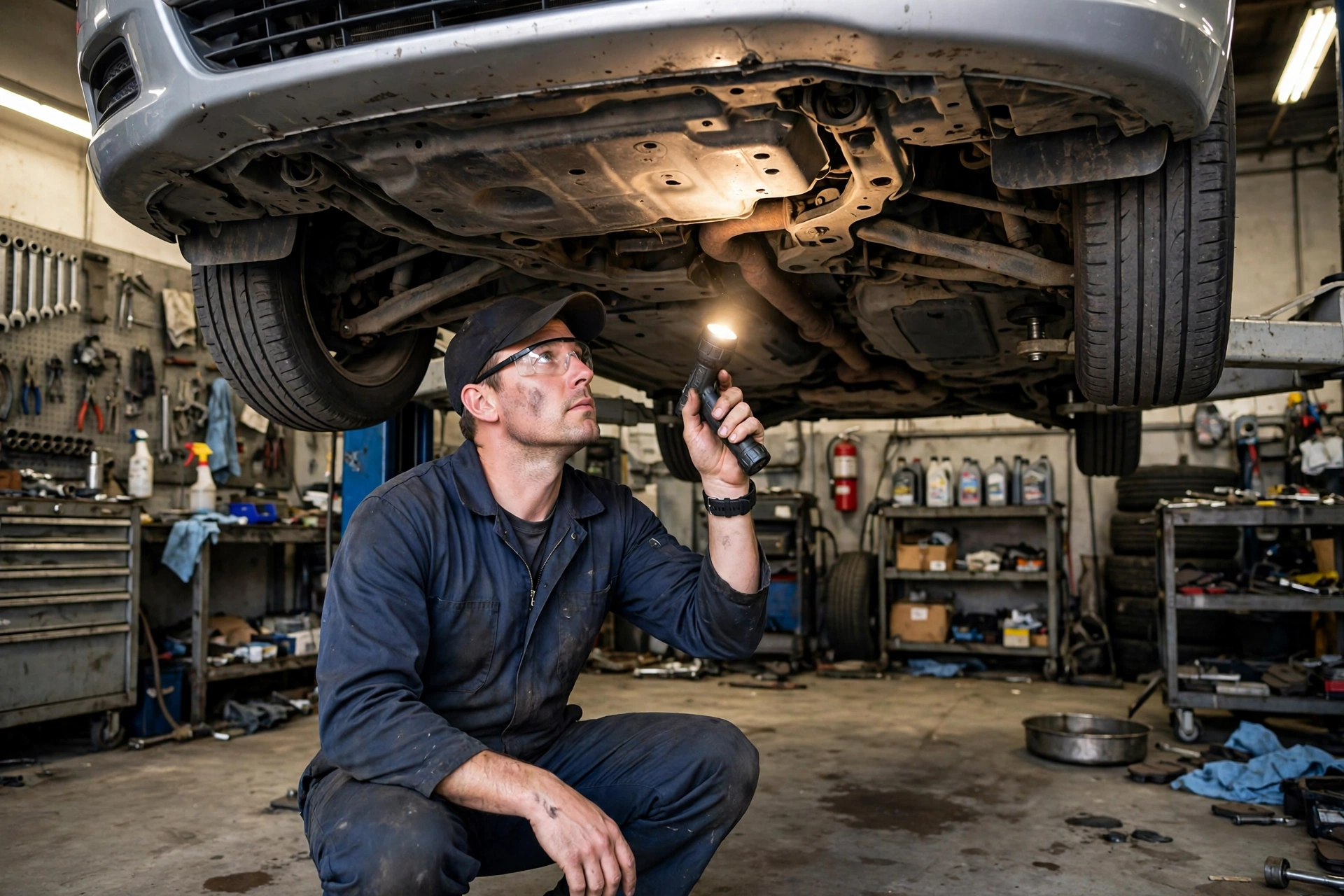
This is the single most valuable step when you are choosing among the best used cars to buy, and the one most often skipped. A pre-purchase inspection means paying an independent mechanic — not the seller’s garage — to examine the car on a lift, check for leaks, rust, accident repair, worn suspension and brakes, tyre condition, fluid condition, and fault codes, and to take it for a short drive.
Expect the inspection to cover, at minimum:
- Underbody rust and frame damage, especially in cars from wet or snowy regions.
- Engine and transmission leaks, fluid colour and level, and unusual noises.
- Brakes, tyres, suspension, and steering wear.
- Electrical systems, warning lights, air conditioning, and safety features.
- Evidence of accident repair: mismatched paint, uneven panel gaps, or fresh undercoating hiding damage.
- A scan for stored fault codes, even if no warning light is on.
A seller who refuses an independent inspection is giving you your answer. Walk away. The inspection fee is small compared with the cost of a hidden transmission fault, a rusted frame, or flood damage discovered after purchase.
Step 5: Test-Drive Like an Inspector, Not a Tourist
A test drive should test the car, not just confirm that it moves. Drive for at least 20 to 30 minutes, covering slow streets, a faster road, and a car park manoeuvre, with the radio off so you can hear the car.
- Cold start: start the car from cold if you can. Watch for smoke, rough idling, or warning lights that stay on.
- Steering and brakes: the car should track straight, brake evenly without pulling or vibration, and steer without play or noise.
- Transmission: shifts should be smooth, with no slipping, harsh clunks, or delay when moving from park to drive or reverse.
- Suspension: listen for clunks over bumps, and check for bouncing or leaning after a bump.
- Comfort and visibility: check seat adjustment, mirrors, blind spots, and whether every switch, window, and light works. Small electrical faults can be expensive to trace.
After the drive, look under the car for fresh drips, check the oil and coolant again, and note any new smells — burning oil, sweet coolant, or hot brakes all deserve an explanation from the inspection, not a reassurance from the seller.
Step 6: Price the Best Used Cars to Buy Fairly, Then Negotiate
A fair price is based on the car’s actual condition, mileage, history, and local market — not on the seller’s asking price or on a single website estimate. Check several pricing guides and comparable listings for the same model year, trim, and mileage in your area, and adjust down for needed repairs found in the inspection, missing service records, or title issues.
Negotiation tips that actually work:
- Lead with facts, not feelings. “The inspection found worn brakes and two tyres below legal tread, which will cost this much to fix” is stronger than “can you do better on price?”
- Get the out-the-door price in writing. Dealer fees, add-ons, and extended warranties can quietly add hundreds to the deal. Decline add-ons you did not ask for.
- Be ready to walk away. The best negotiating position is a genuine willingness to leave. There are many used cars; there is no reason to overpay for one with problems.
- Do not let urgency decide. “Another buyer is coming tonight” is a sales tactic, not a fact you need to act on. A good car will survive a night of thought; a bad deal will not improve with haste.
If you are financing, compare the total cost of the loan — interest, term, and fees — not just the monthly payment. A longer term with a lower monthly payment usually costs more overall, and a car loan that outlasts the car is a trap worth avoiding.
How Old Should a Used Car Be, and How Many Miles Are Too Many?
There is no single mileage limit, because age and mileage wear a car in different ways. Mileage wears moving parts; age wears rubber, seals, electronics, and bodywork, even on a car that has barely moved. A car driven regularly and serviced on schedule usually ages better than a car that sat unused for years.
As a rough guide, cars around 4 to 7 years old often offer the best balance of value, features, and remaining life: old enough to have lost a large part of their original price, new enough to avoid most age-related failures. Cars 8 to 12 years old can be excellent value, but condition matters far more than the odometer reading at that age. Beyond that, budget for age-related repairs — suspension bushes, seals, sensors, and rust — even on a well-kept example.
Mileage should be read together with service history. A car with 120,000 miles and a full service record, including transmission and coolant services where the manufacturer recommends them, is often a better buy than a car with 60,000 miles and no records at all. Very low mileage on an old car is not automatically good news either: ask why it was barely driven, and check for age-related deterioration during the inspection.
Dealer, Private Seller, or Certified Pre-Owned?
Buying from a dealer
Dealers offer convenience, a choice of cars in one place, and in many places a legal Buyers Guide that discloses whether the car is sold “as is” or with a warranty. Read that guide carefully: “as is” means the dealer is not promising to fix problems after the sale, even if they appear the next day. Dealers may also offer financing, but compare it with your bank or credit union before signing.
Buying from a private seller
Private sellers are often cheaper, because there is no dealer margin or reconditioning cost built into the price, and you can usually speak directly with the person who owned and maintained the car. The trade-off is less legal protection and no warranty. Private sales still require the same checks — title, VIN, recall, and independent inspection — and payment should only happen once the title transfer is clean and documented.
Certified pre-owned (CPO)
Certified pre-owned cars are inspected by the manufacturer or dealer against a checklist, usually come with an extended warranty, and are typically newer and lower-mileage than the average used car. That reassurance costs more, and the inspection is done by the seller, not by your mechanic. Even with a CPO car, run the VIN and recall checks yourself, and consider your own inspection for a high-value purchase. CPO makes most sense when the warranty covers the car’s known weak points and the price premium is modest compared with a similar non-certified car.
Should You Lease Instead of Buying Used?
Leasing and buying answer different needs. When you lease, you pay to use a new car for a fixed term — usually two to four years — and return it at the end, instead of owning it. Leasing usually means lower monthly payments than buying new, a new car every few years, and warranty coverage for most of the term. It also means mileage limits, charges for excess wear, and no car to sell or trade at the end. You build no equity in a leased car, which answers the common question of whether leasing builds credit: a lease can appear on your credit history and help build a payment record if payments are made on time, like other instalment accounts, but it does not leave you with an asset the way a paid-off purchase does.
For most buyers looking at the best used cars to buy, buying a reliable used car and keeping it for several years is cheaper overall than leasing new cars back to back, because the steepest depreciation has already happened. Leasing suits drivers who want a new car every few years, drive predictable low mileage, and value warranty cover over long-term ownership. If your priority is lowest total cost, a well-chosen used car wins.
Red Flags: When to Walk Away
When you are shopping for the best used cars to buy, walk away, however much you like the car, if you see any of these:
- The seller refuses an independent inspection or a VIN check.
- The title is not in the seller’s name, is branded salvage or rebuilt without clear documentation, or has a lien that is not being settled.
- The odometer reading does not match the history report, or the dashboard shows signs of tampering.
- The car has flood damage, frame damage, or rust through structural parts.
- Warning lights have been switched off, fault codes cleared just before your visit, or the seller says “it just needs a sensor” for a serious symptom.
- The price is far below comparable cars with no explanation — it usually means a hidden problem.
- Pressure tactics: a deadline tonight, a demand for a large cash deposit before inspection, or a refusal to put promises in writing.
There are many used cars on the market. No single car is worth skipping the checks for.
Used Car Buying Checklist
- Set a total budget including taxes, insurance, and an immediate maintenance fund.
- Shortlist two or three reliable models that fit your daily use.
- Research weak model years for those models before viewing any car.
- Check the VIN on the car, the title, and the registration — all must match.
- Run a vehicle history report and the free NHTSA recall lookup.
- Read the title for salvage, rebuilt, flood, or lien branding.
- Book an independent pre-purchase inspection and attend it if you can.
- Test-drive for 20 to 30 minutes with the radio off, covering town and faster roads.
- Price the car against comparable listings, adjusted for inspection findings.
- Get the out-the-door price, warranty terms, and any promises in writing before paying.
- Complete the title transfer properly, and keep copies of every document.
Conclusion
The best used cars to buy are found, not stumbled upon. Start with a total budget, shortlist reliable models, and then judge each individual car on its title, its history, its recall status, and its inspection result. The cars that pass all four checks — and leave room in your budget for tyres, brakes, and servicing — are the ones worth buying, whether they wear a famous badge or not. Take your time, get the inspection, and be ready to walk away from any car that fails a check. The right used car is the one that is still a good decision a year after you buy it, not just on the day you drive it home. If you are still learning the checks themselves, our guides to looking up a VIN number (https://updatemag.com/look-up-vin-number/) and to diagnosing a car that will not start (https://updatemag.com/car-wont-start/) cover two of the most useful skills in this whole process.
FAQ
What is the best age to buy a used car?
Cars around 4 to 7 years old often offer the best balance of price, features, and remaining life. Older cars can be excellent value, but condition and service history matter more than age alone.
How many miles is too many on a used car?
There is no fixed limit. A well-serviced car with higher mileage is often better than a neglected car with lower mileage. Read mileage together with service records, and budget for age-related repairs on older cars regardless of mileage.
Is certified pre-owned worth it?
It can be, when the warranty covers the model’s known weak points and the price premium is modest. Still run your own VIN and recall checks, and consider an independent inspection on a high-value purchase.
Should I buy from a dealer or a private seller?
Dealers offer convenience and, in many places, a written Buyers Guide, but usually at a higher price. Private sellers are often cheaper and can tell you the car’s real history, but offer less protection. Either way, the title, VIN, recall, and inspection checks are essential.
Does leasing a car build credit?
A lease can appear on your credit history and build a payment record if payments are made on time, like other instalment accounts. Unlike a paid-off purchase, however, it leaves you with no car to sell or trade at the end of the term.
What should I check first when buying a used car?
Check the VIN, the title, and open recalls first, then book an independent pre-purchase inspection. Those four checks — title, history, recalls, inspection — catch most expensive problems before you pay.
Sources and Further Reading
- National Highway Traffic Safety Administration: free VIN recall lookup — https://www.nhtsa.gov/recalls
- Federal Trade Commission: buying a used car from a dealer — https://consumer.ftc.gov/articles/buying-used-car-dealer
- More from UpdateMag: How to Look Up a VIN Number — https://updatemag.com/look-up-vin-number/
- More from UpdateMag: Car Won’t Start? How to Diagnose It by Sound and Symptom — https://updatemag.com/car-wont-start/
Related reading: if the air conditioning blows warm on a test drive, our guide to car AC repair explains the signs, costs and checks to run before you pay.