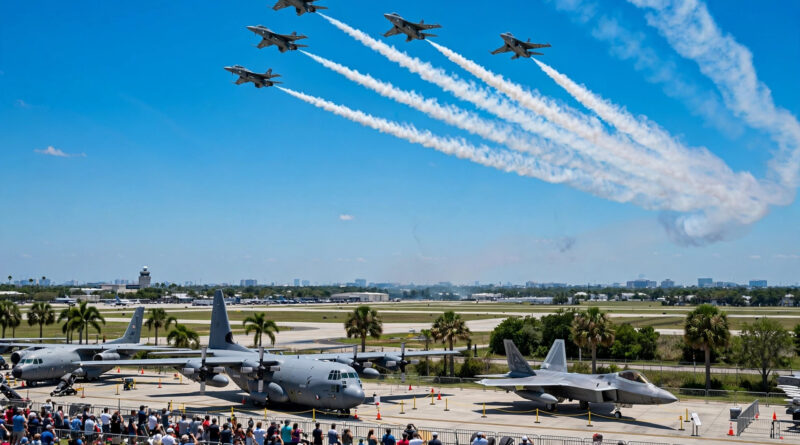
Orlando Air Show: What to Know
If you love the roar of jet engines, jaw-dropping aerobatics, and up-close looks at incredible aircraft, the orlando air show is one of Central Florida’s most exciting events for aviation fans and families alike — a full day of thrilling flight demonstrations, hands-on exhibits, and entertainment for all ages.
Whether you’re a seasoned aviation enthusiast, a parent looking for a memorable family outing, or a photographer hoping to capture dramatic sky shots, a little planning goes a long way. In this guide, you’ll find everything you need to know — what to expect, tickets and seating, what to bring, parking and arrival tips, and practical advice for families and photographers. Before making travel plans, always check the official event page for the current year’s dates, lineup, and ticket prices, since these details can change from year to year.
Key Takeaways
- An Orlando air show is a full-day event: aerobatic and jet demonstrations, static aircraft you can explore, exhibits and STEM activities.
- Bring sun protection, plenty of water and hearing protection — especially earmuffs for children.
- Arrive early for easier parking, shorter lines and the best viewing spots near show center.
- Ticket types, prices and the lineup change each year, so always confirm details on the official event page before you go.

What to Expect at the Orlando Air Show
An Orlando air show is much more than planes flying overhead. It’s a full-day event with aerial performances, ground displays, vendors, and interactive activities. Here’s a breakdown of what most air shows in the Orlando area include.
Aerobatic Flight Demonstrations
The heart of any air show is the flying program. Aerobatic pilots perform precision maneuvers — loops, rolls, hammerhead turns, and knife-edge passes — in propeller aircraft and light jets, often trailing smoke across the sky, while a commentator explains each maneuver. High-performance jet demonstrations are typically the headline acts — military demonstration teams and solo performers push modern military aircraft through tight turns, high-speed passes, and dramatic vertical climbs. Even from the ground, you’ll feel the rumble of the engines.
Military and Civilian Displays
A defining feature of the Orlando air show scene is the mix of military and civilian aviation. On the military side, expect flybys from active-duty aircraft — fighters, transports, helicopters, and sometimes bombers — with personnel on hand to answer questions. Civilian aviation is represented just as strongly. Vintage warbirds from World War II and earlier eras perform graceful flying routines, while modern experimental and sport aircraft show off cutting-edge private aviation. Helicopter demonstrations and parachute jump teams sometimes round out the program.
Static Aircraft Displays
Between flight demonstrations, the static display area is where you get up close and personal with the machines. Rows of aircraft are parked on the tarmac for spectators to walk around — from historic trainers and cargo planes to sleek modern fighters and rescue helicopters. Many aircraft have their cockpits open for viewing, and some allow you to climb in and sit in the pilot’s seat. Crew members and volunteers stand by each aircraft to explain what you’re looking at and answer questions — for kids especially, walking under a massive transport plane is unforgettable.
Interactive Exhibits and STEM Activities
Most Orlando air shows also feature a festival atmosphere on the ground: flight simulators, STEM activity tents, and hands-on aviation education stations. Recruiters from the military and aviation companies often have booths too, making the event fun and educational for young people exploring aviation careers. For background on how these events are run safely, Simple Flying explains how airshows keep spectators safe.
Tickets and Seating Types
General admission tickets usually include access to the flight line viewing area, static displays, and exhibit areas — the most popular and affordable option, and all most visitors need.
Premium options often exist for a guaranteed spot with a clear view of the sky: grandstand seating, box seats, or chalet-style hospitality areas with shade, food service, and restrooms nearby. Some events also sell early-entry or flight-line club passes for closer access to the aircraft before the crowds arrive.
Important: Ticket prices, seating types, and the exact schedule vary from year to year. Always check the official event website for the current year’s lineup, dates, venue details, and pricing before buying tickets — including free-admission age cutoffs for children. Local coverage such as this Orlando air show preview can also help you plan.
What to Bring
Central Florida weather and long outdoor days mean preparation matters. Here’s what to pack for a comfortable day at the Orlando air show.
Sun Protection
Florida sunshine is intense even when partly cloudy. Bring sunscreen and reapply it throughout the day, wear a wide-brimmed hat and sunglasses, and choose light, breathable clothing with comfortable walking shoes — you’ll spend hours on your feet on hot tarmac.
Hearing Protection
Jet engines and aerobatic aircraft are extremely loud. Hearing protection is strongly recommended for everyone and practically mandatory for children. Inexpensive foam earplugs work for adults; over-ear earmuffs are ideal for kids.
Water and Snacks
Most events allow sealed water bottles and small personal coolers, though rules vary — check the event’s FAQ before you go. Plan to hydrate constantly in the Florida heat. On-site vendors offer fair-style food and drinks, but lines peak at lunch, so pack some snacks, especially for families.
Other Essentials
A blanket or low-profile folding chairs can make your viewing spot more comfortable (check the event’s policy on chair heights). A portable phone charger is smart, since you’ll be taking photos and videos all day. Binoculars enhance the experience, letting you follow distant aircraft closely during high-altitude routines.
Parking, Arrival, and Crowds
Air shows near Orlando can draw tens of thousands of people on a given day. Arrive early — gates usually open well before the flying program begins, and arriving in the first hour means easier parking, shorter security lines, and prime viewing spots.
Parking is typically in large grass or paved fields near the venue, with staff directing traffic. Expect slow exits after the show ends; many attendees time their departure with the final performance or linger at static displays until traffic clears.
Check the event’s official page for parking fees, shuttle options, bag policies, and prohibited items (coolers, drones, pets, and outside alcohol are commonly restricted).
Tips for Families
Air shows are fantastic family outings with the right prep — much like a fall day out at a San Diego pumpkin patch, the full event can run six hours or more, so focus on the headline flying acts and the most exciting static displays rather than trying to see everything.
- Protect little ears first. Bring earmuffs for children and keep them on during all flight demonstrations.
- Use the quiet zones. Many events have family or sensory-friendly areas away from the loudest flight lines — find them on the venue map early.
- Schedule naps and meals. Bring a stroller with a sunshade for toddlers, and plan shade breaks during the midday heat.
- Make it a learning day. Encourage kids to ask pilots questions and try the STEM tents — most volunteers love talking to young aviation fans.
Tips for Photographers
An air show is a dream subject for photography with fast settings and good positioning — the same golden light that makes outdoor attractions like Artists Bluff so photogenic rewards early scouting here too.
- Use shutter priority or manual mode with shutter speeds of 1/1000s or faster to freeze fast-moving jets; use slower speeds (1/250s–1/400s) with panning for propeller aircraft so the props show motion blur rather than freezing mid-blade.
- Shoot in burst mode and track the aircraft smoothly through the frame.
- Position yourself with the sun behind you so aircraft are front-lit during passes.
- Arrive early to scout — claim a spot near show center for the best angles on formations and ground-level action.
- Bring extra batteries and memory cards. You’ll shoot far more than you expect.
Frequently Asked Questions
What should you know about orlando air show?
The Orlando air show is a full-day aviation event featuring aerobatic flight demonstrations, military and civilian aircraft flyovers, static aircraft displays you can walk around and explore, plus exhibits, vendors, and family activities. It’s held outdoors in Central Florida, so sun protection, water, and hearing protection are essential. Check the official event page for the current year’s dates, lineup, venue, and ticket prices before planning your visit.
What are the key things to consider for orlando air show?
The key considerations are timing, comfort, and logistics. Arrive early for easy parking and good viewing spots, dress for Florida heat with sun protection, and bring hearing protection — especially for children. Review the event’s bag policy and prohibited items in advance, check whether parking fees apply, and confirm ticket prices and seating options on the official website since they change each year.
How can you make the most of orlando air show?
Plan your day around the headline flight demonstrations, usually held in the afternoon — use the morning to explore static displays and exhibits when crowds are thinner. Bring binoculars, sunscreen, plenty of water, and a camera with a fast shutter speed. Families should pace the day with shade breaks, while photographers should scout viewing spots early and shoot in burst mode.
Conclusion
The Orlando air show delivers an unbeatable mix of thrilling aerial performances, hands-on aircraft encounters, and family-friendly entertainment — all under Central Florida skies. With a bit of planning around tickets, parking, sun protection, and what to bring, you can turn a great event into a truly memorable day. Mark your calendar, check the official event page for this year’s details, and get ready for the roar of engines and precision aerobatics.