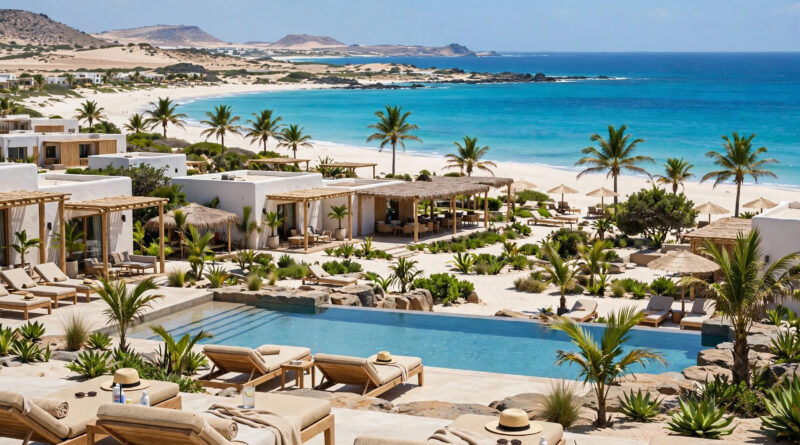
Cape Verde Resorts: Travel Guide, Tips & Highlights
If you are looking for a beach destination that feels different from the usual options, cape verde resorts deserve a serious look. This Atlantic archipelago off the west coast of Africa pairs year-round sunshine with wide, uncrowded beaches and a fascinating blend of Portuguese and African culture. Less built up than many rival destinations, it lets you shape a trip that is as relaxed or as active as you want it to be.
This guide covers the islands most known for their resort areas, the kinds of places to stay, the best time to visit, and the practical details that make planning easier. If you enjoy comparing island and lakeside escapes, our guide to lakes in Italy to visit shows a very different kind of waterfront holiday.
Key Takeaways
- Sal is the liveliest resort island, Boa Vista is quieter and more spacious — most resort stays are on one of these two.
- Choose all-inclusive for simplicity, or boutique and self-catering stays for character, culture and flexibility.
- November to June is the most popular window; windier months suit kitesurfing and windsurfing, calmer months suit swimming.
- Add at least one excursion and, if time allows, a night on a cultural island like São Vicente or Santiago.

Where the Main Resort Islands Are
Cape Verde has ten islands, but most visitors head to one of two in particular. Sal is the most developed resort island, centered on the town of Santa Maria, where long stretches of pale sand line a seafront dotted with restaurants and bars. It has the liveliest resort scene and the best range of activities, from water sports schools to organized excursions.
Boa Vista (“Beautiful View”) lives up to its name with enormous dunes and some of the most striking beaches in the archipelago. It is quieter and more spread out than Sal, with large resort complexes set along the sand and a sense of space that appeals to travelers who want to switch off. For context on how tourism developed across the islands, see the overview of tourism in Cape Verde.
The other islands show a different side of the country. Santiago is home to the capital, Praia, plus Cidade Velha, a UNESCO-listed site and one of the oldest European settlements in the tropics. São Vicente is the cultural heart of Cape Verde, with the port city of Mindelo famous for its music scene, colorful colonial streets, and Carnival celebrations. Many travelers split a trip between a resort island and one of these cultural hubs.
All-Inclusive vs Boutique and Self-Catering Stays
All-inclusive resorts are popular on Sal and Boa Vista, and they tend to be large properties with multiple pools, restaurants, and on-site activities. They suit travelers who want simplicity, since one upfront booking covers meals, drinks, and entertainment.
Boutique hotels, guesthouses, and self-catering apartments are the alternative. Smaller properties offer more character and a closer feel for local life, while apartments with kitchens give you the freedom to eat out, cook, and keep costs flexible — a style of stay also explored in our guide to holiday rental villas in Marbella.
Neither choice is universally better. If you want a week of pure rest, an all-inclusive can be ideal. If you want culture, food, and independence, go smaller and more local. Some travelers split their trip: a few days in a boutique hotel on São Vicente, then a few days unwinding at a beach resort on Sal.
Beaches, Water Sports, and Excursions
The beaches are the headline attraction. Sal’s coastline around Santa Maria offers calm, swimmable water, while Boa Vista’s longer beaches are wilder and often wonderfully empty. Even in peak season, everything feels spacious.
The steady trade winds make Cape Verde a genuine water sports destination. Sal is widely regarded as one of the best places in the world for kitesurfing and windsurfing, with accredited schools along the main beaches and conditions for beginners through advanced riders. Divers enjoy warm Atlantic water, wrecks, reefs, and seasonal visitors like turtles and rays.
Beyond the water, there is more to do than many expect. Popular excursions include the Pedra de Lume salt pans on Sal, where you can float in the saline pools of an old volcano crater, and the Viana Desert on Boa Vista, where dunes stretch to the horizon. Catamaran sailing trips make an easy half-day outing, and visits to islands like Fogo, with its dramatic volcanic landscape, show the archipelago’s wilder side.
Best Time to Visit in General Climate Terms
Cape Verde has a warm, dry climate with sunshine throughout the year, but conditions do vary by season.
November through March is the coolest and breeziest period, with comfortable daytime temperatures and low humidity. It is also the windiest time, ideal for windsurfing and kitesurfing but choppier for casual swimming.
April through June is often the sweet spot: warm, sunny, and calmer, with pleasant seas for swimming and snorkeling, and generally fewer crowds.
July through October is the warmest and most humid stretch, with the calmest sea, great for swimming and diving. This is also the short rainy season, though total rainfall stays low compared with most tropical destinations.
If your trip centers on water sports, aim for the windier months. If it centers on pure beach time, the calmer spring and summer months are hard to beat.
Choosing by Travel Style
Couples do well on Sal or Boa Vista, where beachfront resorts and quiet sunset spots are easy to find, or can add Mindelo on São Vicente for culture and nightlife.
Families often choose the larger all-inclusive resorts on Sal or Boa Vista, where pools, kids’ clubs, and on-site dining simplify logistics.
Travelers who want quiet should lean toward Boa Vista or a smaller guesthouse away from the main towns, where the pace is slow and the beaches are vast.
Travelers who want lively should base themselves near Santa Maria on Sal or in Mindelo on São Vicente, where restaurants, bars, and live music continue after dark.
Practical Tips: Getting There, Getting Around, and Daily Life
Flights. Most international flights come from Europe, particularly Portugal, the UK, and Germany, with Sal and Boa Vista receiving the most direct routes. Travelers from elsewhere usually connect through Lisbon or another European hub.
Island transfers. Domestic flights are the quickest way between islands, with ferries on some routes. Build buffer time into multi-island trips, since sea conditions and schedules can shift.
Currency. The local currency is the Cape Verdean escudo, pegged to the euro. Euros are widely accepted in tourist areas, though change comes in escudos. ATMs are available in towns, but carry cash for remote areas.
Language. Portuguese is the official language, and Cape Verdean Creole (Kriolu) is spoken day to day. English is commonly spoken in resorts and tourist areas.
Entry and health. Entry requirements vary by nationality and can change, so check current rules before booking. Travel insurance covering water sports is worth considering. History lovers should note that UNESCO inscribed Cidade Velha, the historic centre of Ribeira Grande, on the World Heritage List — well worth a day trip from a Santiago stay.
Frequently Asked Questions
What should you know about cape verde resorts?
Cape Verde resorts cover two quite different experiences. On Sal and Boa Vista you will find beach-focused resorts, from large all-inclusive complexes to smaller boutique properties. On islands like Santiago and São Vicente, it is more about culture, history, and music, with smaller hotels and guesthouses. The archipelago is welcoming and well set up for tourists but less built up than many beach destinations. Plan around the wind and rain seasons, carry some cash, and you will be well prepared.
What are the key things to consider for cape verde resorts?
Start with your travel style: Sal for variety and activities, Boa Vista for space and quiet, and add São Vicente or Santiago for culture. Then decide between all-inclusive convenience and the freedom of boutique or self-catering stays. Time your trip around the wind if you want water sports, factor in inter-island travel, and remember most flights come from Europe, so connect through hubs like Lisbon if needed.
How can you make the most of cape verde resorts?
Do not stay glued to the resort pool. Take at least one excursion, whether floating in the Pedra de Lume salt pans, trying a beginner kitesurfing lesson, or joining a catamaran trip. If time allows, spend a night or two on a second island, such as São Vicente for music or Santiago for history. Try local dishes like cachupa, the slow-cooked national stew, eat at least one meal away from the resort, and talk to locals, since the culture is half the reason to come.
Conclusion
Cape Verde resorts offer something genuinely different: reliable year-round sunshine, sweeping Atlantic beaches, world-class wind and water sports, and a cultural layer that most beach destinations simply do not have. Sal delivers the liveliest resort experience, Boa Vista delivers space and calm, and Santiago and São Vicente deliver history and music for those who want more from their trip. Match the destination and accommodation style to how you like to travel, leave room for excursions and a second island, and Cape Verde tends to deliver exactly what drew you in: sun, sea, and a sense of discovery.