TPMS Reset Button: A Practical Guide
Key Takeaways
- The TPMS reset button tells your car to relearn its current tire pressures as the new baseline — but only after every tire is properly inflated.
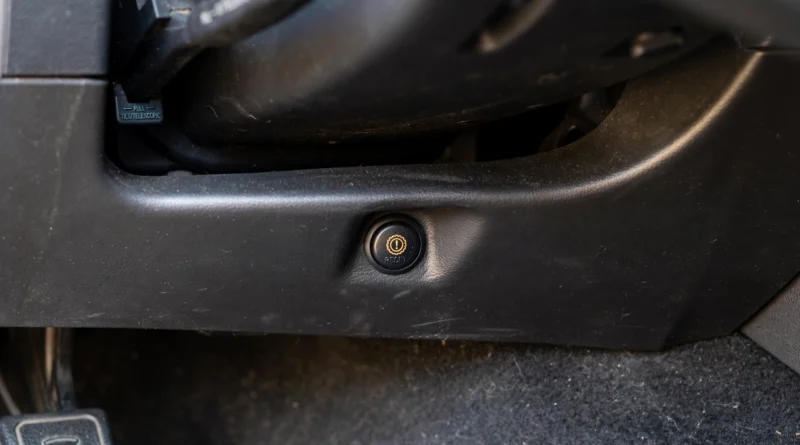
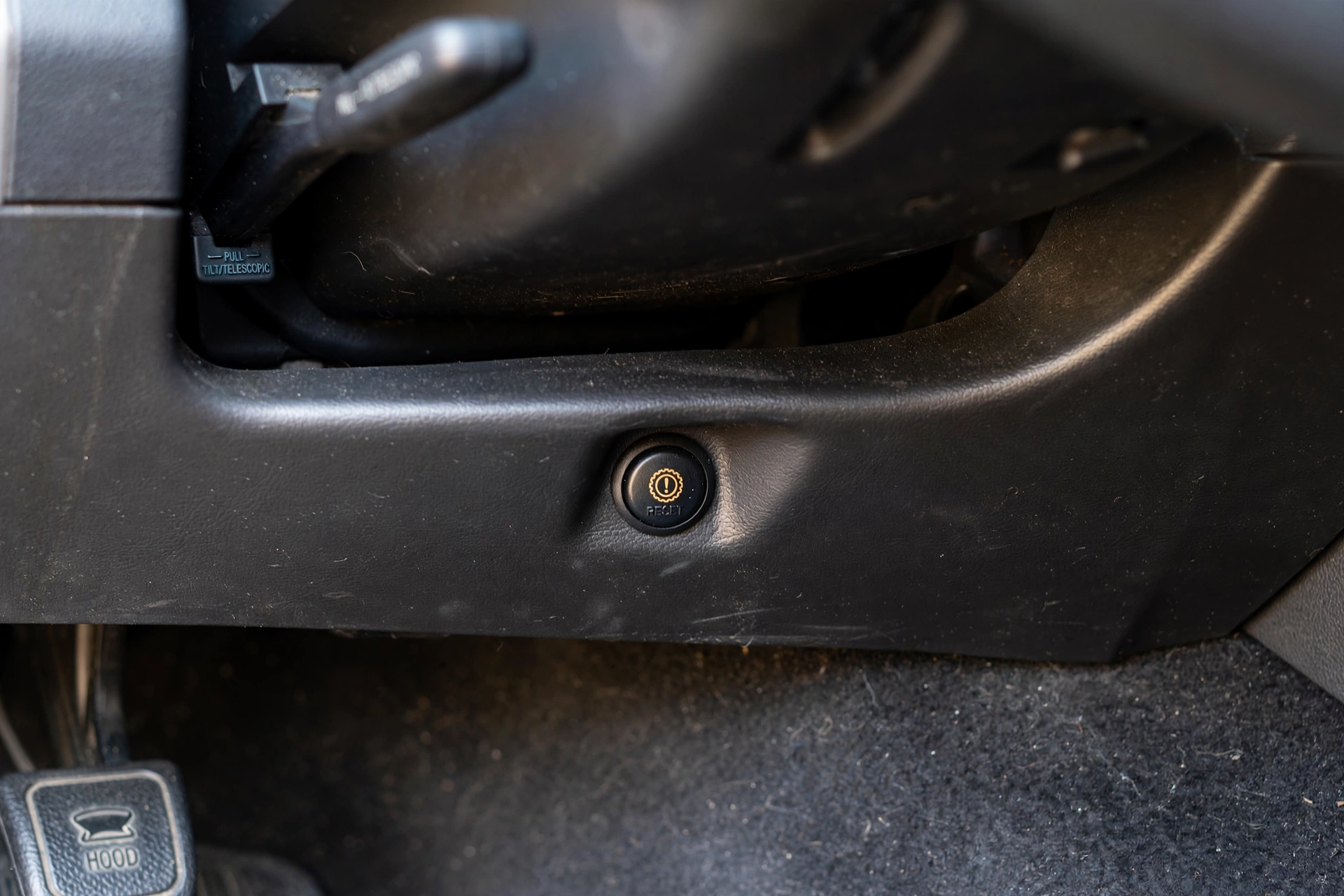
- You will usually find the button beneath the steering column, in the glove box, or inside the driver’s side kick panel — exact placement varies by make and model.
- To use it: turn the ignition to ON (engine off), press and hold until the TPMS light blinks three times, then drive for 10–20 minutes to complete the relearn.
- If the light returns after a proper reset, a sensor may be dead, a tire may have a slow leak, or the system may need a professional scan — don’t keep resetting blindly.
That little horseshoe-shaped light on your dashboard can be surprisingly stubborn. You have checked the pressures, filled the tires to the number on the door jamb sticker — and the warning is still there. This is exactly when the tpms reset button earns its place in your car: a small, often-overlooked control that tells the tire pressure monitoring system to stop worrying about the old readings and accept the current pressures as the new normal.
Using the button is simple, but using it correctly matters. Resetting before the tires are properly inflated, or resetting to silence a real problem, can leave you driving on unsafe pressures without a warning. This guide covers what the TPMS reset button does, where to find it, the right order of operations, what to do when the light comes back, and when it is time to see a professional.
What the TPMS Reset Button Actually Does
TPMS — the Tire Pressure Monitoring System — is an electronic system that alerts you when tire pressure falls below a safe threshold. Since the mid-2000s it has been required on new passenger vehicles in many markets, because under-inflated tires handle worse, stop slower, and risk blowouts. Most modern cars use direct TPMS: a small battery-powered sensor inside each wheel that measures pressure and transmits it to the car’s computer.
The reset button is the “start over” command for this system. When you press it, the computer stores the current pressure of each tire as its new reference point. After that, it will warn you when any tire drops roughly 25% below that stored baseline. Think of it as the system asking, “Is this the correct starting point?” and your button-press answering, “Yes.”
This matters because pressures do not stay fixed. A cold snap can drop tire pressure noticeably overnight, tires lose air slowly through the rubber over weeks, and after a rotation or replacement the sensors’ positions change relative to the wheels. In each of these cases the system may keep alerting even after you have fixed the inflation — until you reset it and give it a fresh baseline.
Where to Find the TPMS Reset Button
There is no universal location, which is why so many owners swear their car does not have one. On most vehicles with a physical button, check these spots first:
- Under the steering column or dashboard: the most common location — often tucked under the dash trim where you have to feel for it.
- Inside the glove box: some models hide it on the inner wall of the glove compartment.
- Driver’s side kick panel: the trim panel to the left of the pedals, near the door.
- Center console or dash cluster menu: newer cars increasingly replace the physical button with a menu option — look for “Vehicle Settings,” “TPMS,” “Store Tire Pressures,” or “Recalibrate” on the infotainment screen or instrument cluster.
The button is usually marked with the TPMS icon itself — the cross-section of a tire with an exclamation mark — or labeled “SET” or “TPMS.” If you cannot find one in any of these spots, check the owner’s manual; many cars legitimately have no physical button and handle the reset through the touchscreen or by automatically relearning while you drive.
How to Use the TPMS Reset Button: The Correct Sequence
Order matters here. The reset should always come after inflation, never instead of it. Follow these steps:
- Check all four tires cold. Measure pressures first thing in the morning or after the car has sat for a few hours, when tires are cold. Inflate or deflate each to the pressure listed on the driver’s door jamb sticker — not the number molded into the tire sidewall, which is a maximum, not a recommendation.
- Don’t forget the spare. Some full-size spares carry a sensor too. An under-inflated spare can keep the light on even when all four rolling tires are perfect.
- Turn the ignition to ON without starting the engine. Key-start cars: turn to the ON position. Push-button cars: press the start button once without pressing the brake pedal.
- Press and hold the TPMS reset button. Hold until the TPMS warning light blinks — usually three times — then release.
- Start the vehicle and drive. A short drive, typically 10 to 20 minutes at normal road speeds, lets the system verify the sensors and confirm the new baseline. On many cars the light goes off as soon as you start driving.
If your car uses a menu instead of a button, the sequence is the same except for step 4: navigate to the TPMS or tire-pressure submenu and select the store/recalibrate option, then drive. If your car has no reset option at all, the system likely auto-relearns — correct the pressures, drive for a while, and the light should clear on its own.
Common Mistakes That Keep the Light On
When the reset does not seem to work, one of these is usually the culprit:
- Resetting before inflating. If you reset the button while tires are still low, you have just taught the system that “low” is normal. It will stop warning you at genuinely unsafe pressures — dangerous and exactly backwards. Always inflate first.
- Not driving afterward. Many systems need a drive cycle to finish the relearn. If you reset in the driveway and check the dash without moving, the light may still be on simply because the process is not finished.
- A tire you missed. Five tires on the ground is four to check, plus a possible spare. A single slow leak in one tire can undo a whole reset session.
- Skipping the wait after inflating. On a hot day or right after driving, pressure readings run high. Letting tires cool before setting them gives the reset a more accurate baseline.
- Replacing tires or sensors without a relearn. After a tire rotation, new tires, or new sensors, the system may not recognize the new sensor IDs or positions. Some vehicles need a sensor relearn tool or a specific key-cycle sequence — a dealer or tire shop can do this quickly. If a sensor was damaged during a tire change, no amount of button-pressing will fix it; this is where understanding typical auto repair costs helps you decide whether to handle it yourself or visit a shop.
What If the TPMS Light Comes Back After a Reset?
A light that returns a day or two after a careful reset is telling you something: the pressure is actually changing. The most common causes, in order of likelihood:
- A slow leak. A nail or screw can bleed pressure over days. If one tire consistently drops while the others hold, inspect it (or have it inspected) for a puncture or a leaking valve stem.
- Temperature swings. Tire pressure falls roughly 1 psi for every 10°F of temperature drop. A reset done during a warm afternoon can trip the light during a cold morning — annoying but legitimate.
- Sensor battery death. Direct TPMS sensor batteries typically last five to ten years and cannot be replaced separately; the whole sensor must be swapped. If your car is around that age and the light misbehaves, suspect a dead sensor.
- Corroded or damaged valve stems. Sensors sit at the valve stem, which takes road salt, moisture, and curb hits. Physical damage can cause intermittent readings.
- System or receiver fault. Less common, but wiring or the TPMS receiver module can fail. A professional scan tool can read TPMS-specific codes and pinpoint which wheel is the problem.
Rule of thumb: reset once, carefully. If the light returns, investigate the tires before resetting again — repeated resets on a real problem just delay the diagnosis. For the full context on what that dashboard light means in the first place, see our Tire Pressure Light: A Practical Guide.
When to Skip the DIY Route and See a Professional
Most TPMS resets are a five-minute driveway job. Bring in a professional when:
- The light stays on after a correct inflation and a proper reset plus a drive cycle.
- The light flashes for about a minute and then stays solid — on many vehicles that blink-then-solid pattern indicates a system malfunction (like a dead sensor) rather than low pressure.
- You have just had tires mounted or sensors replaced and the system does not recognize them.
- A TPMS warning appears alongside other electrical issues, which suggests a broader fault.
A tire shop can check pressures, scan the system, test each sensor, and perform a sensor relearn — often at modest cost, since the diagnostic equipment is standard in most shops. Reputable guidance on using dedicated reset tools, such as this walkthrough of TPMS reset tools, shows the same underlying process professionals follow: verify pressure, trigger the relearn, confirm the light. And if you want a broader step-by-step reference covering several reset methods, this TPMS reset guide walks through the button method, drive-cycle relearn, and menu-based calibration.
Frequently Asked Questions
What should you know about the TPMS reset button?
The essential point is order of operations: the TPMS reset button stores your current tire pressures as the system’s new baseline, so you must inflate every tire (including the spare, if it has a sensor) to the door-jamb specification before pressing it. Turn the ignition to ON without starting the engine, press and hold the button until the TPMS light blinks (usually three times), then drive for 10–20 minutes to complete the relearn. Resetting on under-inflated tires teaches the system the wrong baseline and silences warnings you may still need.
What are the key things to consider for the TPMS reset button?
First, not every car has a physical button — many newer models hide the reset in the infotainment or instrument-cluster menu under options like “Store Tire Pressures” or “Recalibrate,” and some systems relearn automatically while you drive. Second, a reset is not a fix: if the light returns after a proper reset, the likely causes are a slow leak, a dead sensor battery (they typically last five to ten years), temperature-related pressure drops, or sensors not relearned after a tire rotation or replacement. Third, a light that blinks for about a minute and then stays solid usually signals a system malfunction rather than low pressure — that is a shop visit, not another reset.
How can you make the most of the TPMS reset button?
Use it as part of a regular tire-care routine rather than only when the light nags you. Reset the system seasonally — temperature changes between summer and winter shift baseline pressures enough to matter — and always reset after rotations, tire replacements, or sensor service so the system is working from accurate reference points. Pair every reset with a quick visual tire inspection and a gauge check, and keep a reliable pressure gauge in the car so you can confirm readings instead of guessing. Treated this way, the reset button becomes a maintenance tool that keeps your tires safer and your fuel economy better all year.
Conclusion
The TPMS reset button is one of the simplest tools in your car — and one of the most misused. Pressed at the right time, in the right order, it quietly recalibrates your tire pressure monitoring system so the warnings you get are trustworthy. Pressed as a reflex to silence the light, it can mask a slow leak, a dying sensor, or genuinely low pressure.
The winning formula is easy to remember: inflate first, reset second, drive third, and investigate if the light comes back. Keep the reset button in your mental toolbox alongside your tire gauge and your door-jamb pressure sticker, and that little horseshoe light will do exactly what it was designed to do — warn you when it matters and stay dark when everything is fine.