Vermont Fall: Dates, Events & What to Know
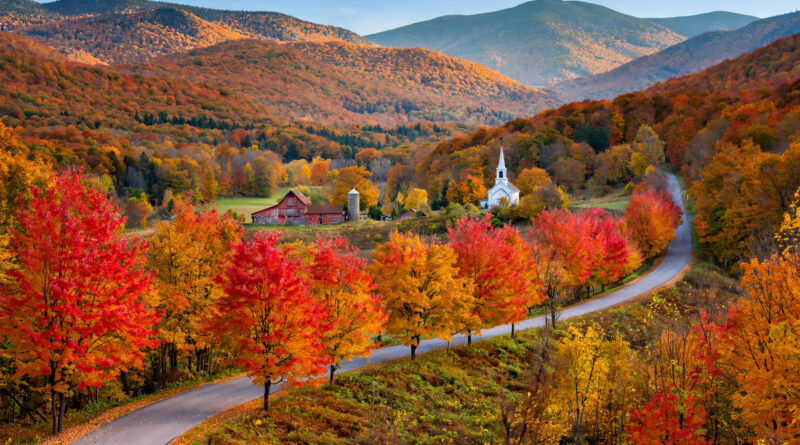
Every autumn, Vermont fall turns the Green Mountains into one of the most photographed landscapes in America. Red maples, orange sugar maples, and golden birches sweep across ridgelines and valley floors, and the state’s small towns — with their white church steeples, covered bridges, and red barns — complete a scene that feels pulled straight from a postcard. If you have ever pictured the classic American fall road trip, there is a good chance you were picturing Vermont.
Timing is everything here, though. Peak color sweeps from north to south and from high elevations to low ground over several weeks, so knowing when and where to go makes the difference between a good trip and an unforgettable one. This guide covers the key dates, the best drives and viewpoints, classic fall activities, seasonal events, and the practical planning tips you need to make the most of your Vermont fall visit.
Key Takeaways
- Vermont fall color typically peaks from late September through mid-October, moving from the northern mountains and high elevations toward the south and valleys.
- Scenic drives like the Route 100 corridor, Smugglers Notch, and routes through the Green Mountains are among the most reliable ways to see peak foliage.
- Apple orchards, cider donuts, farm stands, harvest festivals, and chairlift rides make fall in Vermont about much more than just the leaves.
- Book lodging well ahead of peak weekends, expect crowds around Columbus Day, and check the official weekly foliage report before you go.

When Is Peak Foliage in Vermont?
Vermont’s color change follows a consistent pattern each year: it begins at higher elevations and in the far north, then works its way south and down into the valleys as the weeks pass. Vermont’s tourism office describes the statewide crescendo as the last week of September and the first two weeks of October, which is a useful planning anchor — but conditions vary year to year.
As a general guide, the Northeast Kingdom and the northern high peaks — think Jay Peak and the mountain gaps around Stowe — usually show the strongest color from late September into early October. Central Vermont, including the famous Route 100 corridor, Woodstock, Killington, and the Mad River Valley, tends to peak during the first half of October. Southern Vermont — Manchester, Bennington, Mount Snow, and Brattleboro — often holds color into mid-to-late October, with bronze oaks and late maples extending the season.
In any single location, absolute peak usually lasts only a few days, with about a week on either side that is still well worth the drive. Because the wave moves across the state, there is typically peak color somewhere in Vermont across a span of roughly two weeks. For 2026, the official weekly foliage report showed much of the state at or just past peak by mid-October, with northern areas past peak and southern valleys still colorful — a reminder that checking current conditions matters more than any fixed date. You can track the progression through the official Vermont fall foliage report, prepared by the state’s Department of Forests, Parks and Recreation.
The Best Drives and Views for Vermont Fall Color
A car is almost essential for a classic Vermont fall trip, and the drives themselves are the main attraction. The Route 100 corridor is the state’s signature scenic byway, running north-south through the heart of the Green Mountains past ski towns, farm valleys, and village centers. A drive from Wilmington to Killington, or through central stretches near Woodstock and the Mad River Valley, delivers one gorgeous view after another.
Smugglers Notch (Route 108 between Stowe and Jeffersonville) is another standout — a narrow mountain pass with hairpin turns flanked by dramatic cliffs and dense foliage. Note that large vehicles are restricted here; it is best experienced in a regular car or SUV. For valley and river scenery, routes along the Connecticut River on the eastern border and around Lake Champlain in the west add water reflections to the color show.
Prefer to get out of the car? Hiking trails throughout the Green Mountain National Forest open up panoramic overlooks, and many ski resorts run fall chairlift rides that glide you above the canopy for a bird’s-eye view of the foliage. Quechee Gorge — Vermont’s deepest gorge — is worth a stop for its overlook alone, and the Marsh-Billings-Rockefeller National Historical Park near Woodstock pairs colorful carriage roads with easy walking.
Classic Vermont Fall Activities
Foliage is the headline, but fall in Vermont is really a full harvest season. Apple picking is a beloved tradition, and orchards across the state sell fresh-pressed cider alongside cider donuts — warm, sugary rings that have become a pilgrimage food in their own right. Roadside farm stands overflow with pumpkins, squash, and late-season corn.
For something different, look for corn mazes, hayrides, and farm festivals, many of which run through late October. Wildlife watching is also excellent in fall, and rail trails — converted rail corridors that are flat and easy to walk or bike — offer colorful outings without the steep climbs. If you are building a longer fall trip, you might enjoy comparing seasons with our guide to fall vacations in Europe, which covers another side of autumn travel.
Fall Events and Festivals in Vermont
Vermont’s fall calendar is packed with seasonal celebrations, from harvest festivals to craft fairs. Annual events often include apple and harvest festivals, wine and cider tastings at places like Mount Snow, juried craft shows featuring regional artists, and community fall fairs with live music, food vendors, and kids’ activities.
Some of the season’s more distinctive happenings include the Enchanted Forest in Montpelier, a family-friendly after-dark event with candle-lit forest paths, live music, and storytelling in mid-October; the Bean & Brew Festival at Jay Peak, celebrating coffee, beer, and cider amid the foliage; the Champlain Valley Craft Show and Antique Expo in Essex Junction, a large three-day expo of arts, crafts, and antiques; and the quirky Gilfeather Turnip Festival in Wardsboro, a late-October celebration of Vermont’s official state vegetable that has grown from a single kettle of soup into a full Main Street festival. Dates change from year to year, so always confirm details with official event listings before you go — a current rundown of October events in Vermont is a good place to start.
Where to Base Your Vermont Fall Trip
Your ideal base depends on when you visit. Stowe, Waterbury, and the Route 100 towns of central Vermont put you in the heart of peak-color country in early to mid-October, with the most dining and lodging options — but also the most visitors. The Northeast Kingdom (places like St. Johnsbury and East Burke) offers a quieter, more remote experience and is a smart pick for late-September trips when it peaks first.
Southern Vermont — Manchester, Bennington, and Brattleboro — is the budget-friendlier, less crowded choice for mid-to-late October, and it sits closer to Boston and New York if you are combining the trip with other travel. Wherever you choose, book lodging two to three months ahead for peak weekends, especially the Columbus Day weekend in mid-October, when rooms sell out statewide. If you like combining fall scenery with harvest farm fun, our roundup of pumpkin patch farms and fall activities shows what the season looks like on the other side of the country.
Practical Planning Tips for a Vermont Fall Visit
- Go on weekdays if you can. Weekends — particularly Columbus Day weekend — bring the biggest crowds and highest prices. A Tuesday-to-Thursday trip in early October can feel like a different experience entirely.
- Dress in layers. Fall days can swing from crisp mornings near freezing to mild, sunny afternoons. Bring a warm jacket, gloves, and comfortable walking shoes.
- Keep the tank topped up. Scenic backroads have long stretches without gas stations, and mountain driving uses more fuel than you might expect.
- Respect private land. Much of Vermont’s most photogenic scenery — farms, fields, and sugarbushes — is privately owned. Enjoy views from public roads and pull-offs, and don’t trespass for a photo.
- Plan for variable weather. Rain and wind can end peak color early, while cool, sunny weather preserves it. Build flexibility into your itinerary so you can chase the best color north or south.
- Book popular attractions ahead. Factory tours, chairlift rides, and guided foliage tours can fill up on peak weekends.
Frequently Asked Questions
When is the best time to visit vermont fall?
The best time to visit Vermont fall is generally late September through mid-October, with peak color moving from north to south. Aim for late September to early October for the Northeast Kingdom and northern high elevations, early to mid-October for central Vermont’s Route 100 corridor, and mid-to-late October for southern Vermont. The week of early October typically catches the widest swath of the state in good color, so check the official weekly foliage report as your trip approaches to fine-tune your timing.
What can you do at vermont fall?
During Vermont fall you can drive scenic byways like Route 100 and Smugglers Notch, hike to panoramic overlooks, ride ski resort chairlifts above the foliage canopy, pick apples and eat cider donuts at orchards, browse farm stands and corn mazes, attend harvest festivals and craft fairs, and explore covered bridges and historic villages. Rail trails and gorge overlooks offer colorful outings for all fitness levels.
What should you know before planning vermont fall?
Before planning a Vermont fall trip, know that lodging books up two to three months ahead for peak weekends, Columbus Day weekend is the busiest and priciest time, a car is essential for the classic scenic drives, weather can shift peak color by a week or more in either direction, and weekdays offer a calmer, cheaper experience. Dress in layers, keep your fuel tank full on backroads, and respect private farmland when stopping for photos.
Conclusion
Vermont fall earns its reputation as America’s premier foliage destination: the timing is predictable enough to plan around, the scenery is genuinely spectacular, and the harvest-season culture — orchards, farm stands, small-town festivals — gives the trip a warmth that goes beyond the leaves. Aim for the late-September to mid-October window, match your base to your dates, book early, and let the official foliage report guide your final routing. Done right, a Vermont fall trip is the kind of autumn memory that lasts for years.