What Is Peru Known For
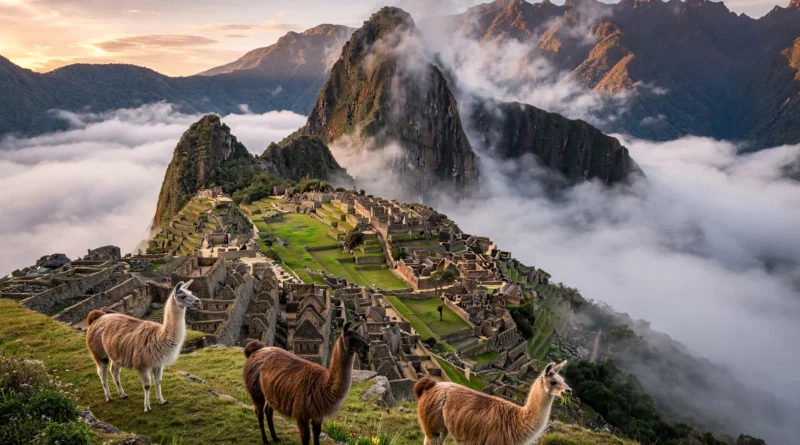
When people ask what is peru known for, the first image that comes to mind is usually the same: mist drifting over the stone terraces of Machu Picchu, a lost Inca city balanced on an Andean ridge. That image is earned. But Peru’s reputation rests on far more than a single archaeological site. This South American country packs ancient civilizations, one of the world’s great cuisines, dramatic three-part geography, and living indigenous cultures into one destination — and understanding the full picture is what turns a good trip into an unforgettable one.
In this guide, we answer the question directly, then walk through the landmarks, history, food, landscapes, and culture that define Peru. Whether you are planning a visit or simply curious, you will leave with a clear sense of what makes this country genuinely distinctive.
Key Takeaways
- Peru is best known for Machu Picchu, the 15th-century Inca citadel and one of the New Seven Wonders of the World.
- Its history stretches far beyond the Incas — Peru hosts some of the oldest civilizations in the Americas, including Caral and the Nazca culture.
- Peruvian cuisine is internationally celebrated, with dishes like ceviche, lomo saltado, and ají de gallina, and Lima widely regarded as a global food capital.
- The country’s geography spans three distinct worlds: the Pacific coast, the Andes mountains, and the Amazon rainforest.
Machu Picchu: The Wonder That Defines Peru
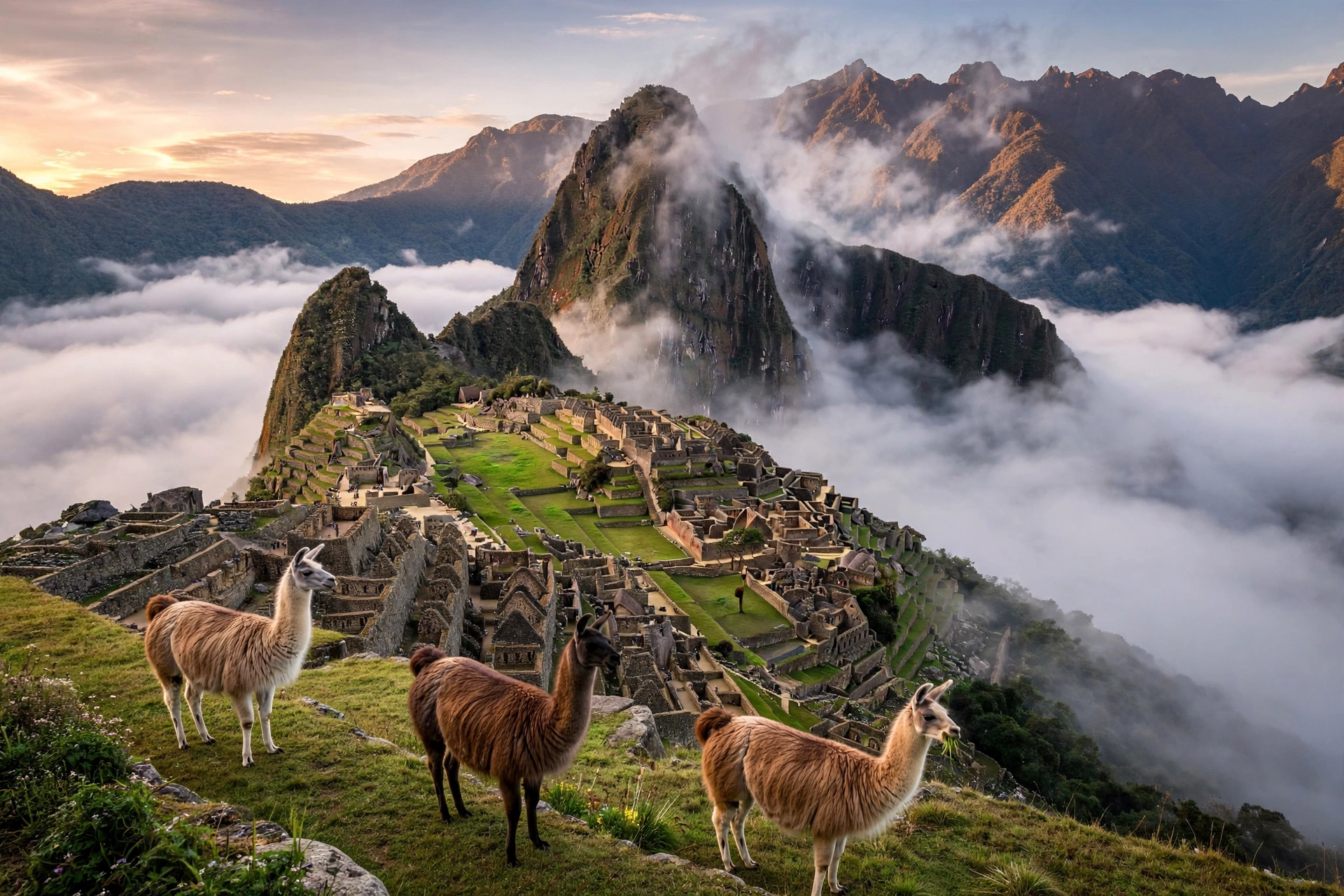
No answer to “what is Peru known for” can begin anywhere else. Machu Picchu is the country’s signature landmark — a remarkably preserved 15th-century Inca citadel set high in the Andes, recognized as a UNESCO World Heritage site and voted one of the New Seven Wonders of the World. Its dry-stone walls, agricultural terraces, and temples sit on a narrow ridge between dramatic peaks, and on clear mornings the site seems to float above a sea of cloud.
What surprises many visitors is how carefully managed a trip there has become. Entry now runs on timed circuits with daily visitor caps, and tickets must be bought through Peru’s official channels well in advance — particularly in the busy dry season. Recent reporting on Machu Picchu’s 2026 visitor caps and ticket circuits shows the country taking preservation seriously, which means planning ahead is no longer optional: book tickets as early as your dates allow, arrive with the circuit printed on your ticket in mind, and spend a day or two in Cusco first to acclimatize to the altitude.
Ancient Civilizations Beyond the Incas
The Incas get the headlines, but Peru’s human story is far older and richer. The coastal valleys of Peru hosted the Caral civilization, one of the oldest known urban societies in the Americas, with monumental pyramids built thousands of years before the rise of the Inca Empire. The Nazca culture left the famous Nazca Lines — enormous geoglyphs etched into desert plains whose purpose is still debated. The Moche culture produced extraordinary ceramics and goldwork, while the Wari empire built one of the Andes’ first large-scale states.
Cusco itself deserves special mention. Once the capital of the Inca Empire, its streets layer Inca stonework beneath Spanish colonial architecture — a visible history you can walk through in a single afternoon. For travelers who collect historic destinations, this layering of eras is one of Peru’s quiet superpowers, as our Peru travel and tourism destination guide reference notes alongside its broader rundown of the country’s regions.
World-Famous Cuisine: What Is Peru Known For at the Table?
Ask food lovers what Peru is known for and they will talk before they finish the question. Peruvian cuisine is one of the most celebrated in the world, built on extraordinary biodiversity — the country grows thousands of varieties of potato and dozens of native corn types — layered with Indigenous, Spanish, African, Chinese, and Japanese influences.
The essentials: ceviche, raw fish cured in lime juice with red onion and ají peppers, is the national signature. Lomo saltado fuses Chinese stir-fry technique with Peruvian ingredients. Ají de gallina is a creamy, mildly spicy chicken dish that defines comfort food in Lima. Anticuchos (grilled skewers) and causa (layered potato terrine) round out the classics. And the pisco sour, made from Peru’s national spirit, is the drink to order first.
Lima is widely considered one of the world’s great food cities, home to restaurants that regularly appear on global best-of lists. But the real joy of eating in Peru is how democratic it is — the same quality shows up in market stalls, neighborhood cevicherías, and family-run kitchens from the coast to the highlands.
Three Worlds in One Country: Coast, Andes, Amazon
Peru’s geography is one of its defining features. The country is conventionally divided into three natural regions, and traveling between them feels like visiting different continents.
The costa (coast) is a long, arid Pacific strip where desert meets ocean. Lima, the capital, sits here — a modern metropolis with colonial plazas, dramatic cliffside neighborhoods like Miraflores and Barranco, and a surf culture along its beaches. Further south, the Paracas reserve and the Ballestas Islands offer remarkable marine wildlife.
The sierra (highlands) is the realm of the Andes: Cusco, the Sacred Valley, and Lake Titicaca, the high-altitude lake shared with Bolivia, dotted with traditional communities and the famous Uros floating reed islands. This is where altitude matters — many key sites sit well above 3,000 meters, so a slow first couple of days is the standard advice.
The selva (jungle) is the Peruvian Amazon, one of the most biodiverse places on Earth. Gateway towns like Puerto Maldonado and Iquitos open onto rainforest lodges, river journeys, and wildlife from macaws and giant river otters to pink river dolphins. It is a completely different Peru — hot, green, and loud with life.
Culture, Festivals, and Living Traditions
Peru is also known for the vitality of its living culture. Spanish is the official language, but Quechua and Aymara are widely spoken, and Indigenous traditions remain woven into daily life — from the textiles of highland markets to the music of Andean flutes and charangos. Catholic festivals blend with pre-colonial ritual in celebrations like Inti Raymi, the Festival of the Sun in Cusco, which draws crowds each June with processions and reenactments of Inca ceremony.
Handicrafts are another Peruvian hallmark: alpaca wool garments, intricate silverwork, painted ceramics, and the bright woven textiles of communities around Cusco and Puno. Buying directly from artisan cooperatives supports the makers and usually gets you the best quality.
Practical Tips for Visiting Peru
A few practical notes make the difference between a smooth trip and a stressful one. The dry season, roughly May to September, offers the clearest weather for the Andes and Machu Picchu, though it is also the busiest period. The currency is the Peruvian sol, and while cards are widely accepted in cities, cash is essential in markets and rural areas. Altitude affects almost every highland itinerary — hydrate, eat lightly on arrival days, and give yourself time.
Distances in Peru are large, so plan your route around regions rather than trying to see everything. A classic first trip pairs Lima with Cusco, the Sacred Valley, and Machu Picchu; a second trip might add Arequipa and the Colca Canyon, Lake Titicaca, or the Amazon. If you enjoy structuring multi-stop journeys, our vacation-by-rail Europe travel guide shows how to think in terms of connected legs and pacing — the same logic applies to Peru’s regions. And if you are building a list of iconic warm-weather escapes, our Cape Verde resorts travel guide covers another standout destination worth comparing.
Frequently Asked Questions
What is Peru known for?
Peru is best known for Machu Picchu, its ancient Inca citadel and one of the New Seven Wonders of the World. Beyond that, it is known for world-class cuisine (especially ceviche), ancient civilizations like the Incas and Nazca, the Andes mountains, the Amazon rainforest, Lake Titicaca, and vibrant Indigenous cultures and festivals.
What should you know about what is Peru known for?
You should know that Peru’s fame rests on several pillars, not just one landmark. Its archaeological heritage spans civilizations thousands of years older than the Incas; its food scene ranks among the world’s best; and its geography covers desert coast, high Andes, and Amazon jungle in a single country. Practically, plan for altitude in the highlands, book Machu Picchu tickets well ahead, and use the dry season (May–September) for the clearest Andean weather.
What are common questions about what is Peru known for?
Common questions include whether Machu Picchu is worth the trip (yes — but book tickets early, as entry is capped and circuit-based), what food to try (ceviche, lomo saltado, ají de gallina, pisco sour), when to visit (May–September for the Andes; the Amazon is best in the drier months too), and how many days you need (a first trip typically needs 7–10 days for Lima, Cusco, the Sacred Valley, and Machu Picchu at a comfortable pace).
Conclusion
So, what is Peru known for? In short: the wonder of Machu Picchu, civilizations older than the Incas, one of the planet’s great cuisines, three dramatically different landscapes, and cultures that are still vibrantly alive. Few countries offer this much variety in a single trip — ancient stones and cutting-edge restaurants, desert coast and rainforest, mountain festivals and lakeside villages. That density of experience is the real answer, and it is why Peru keeps showing up on travelers’ lists of the places that changed how they see the world.