Bui Vien Walking Street: What to Know
Introduction
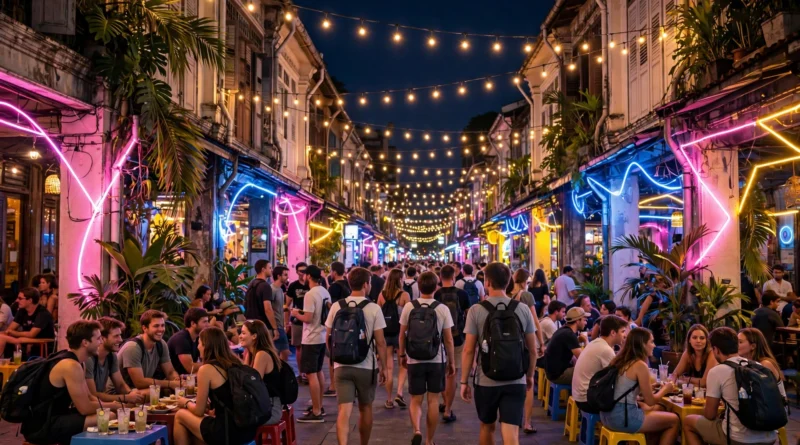
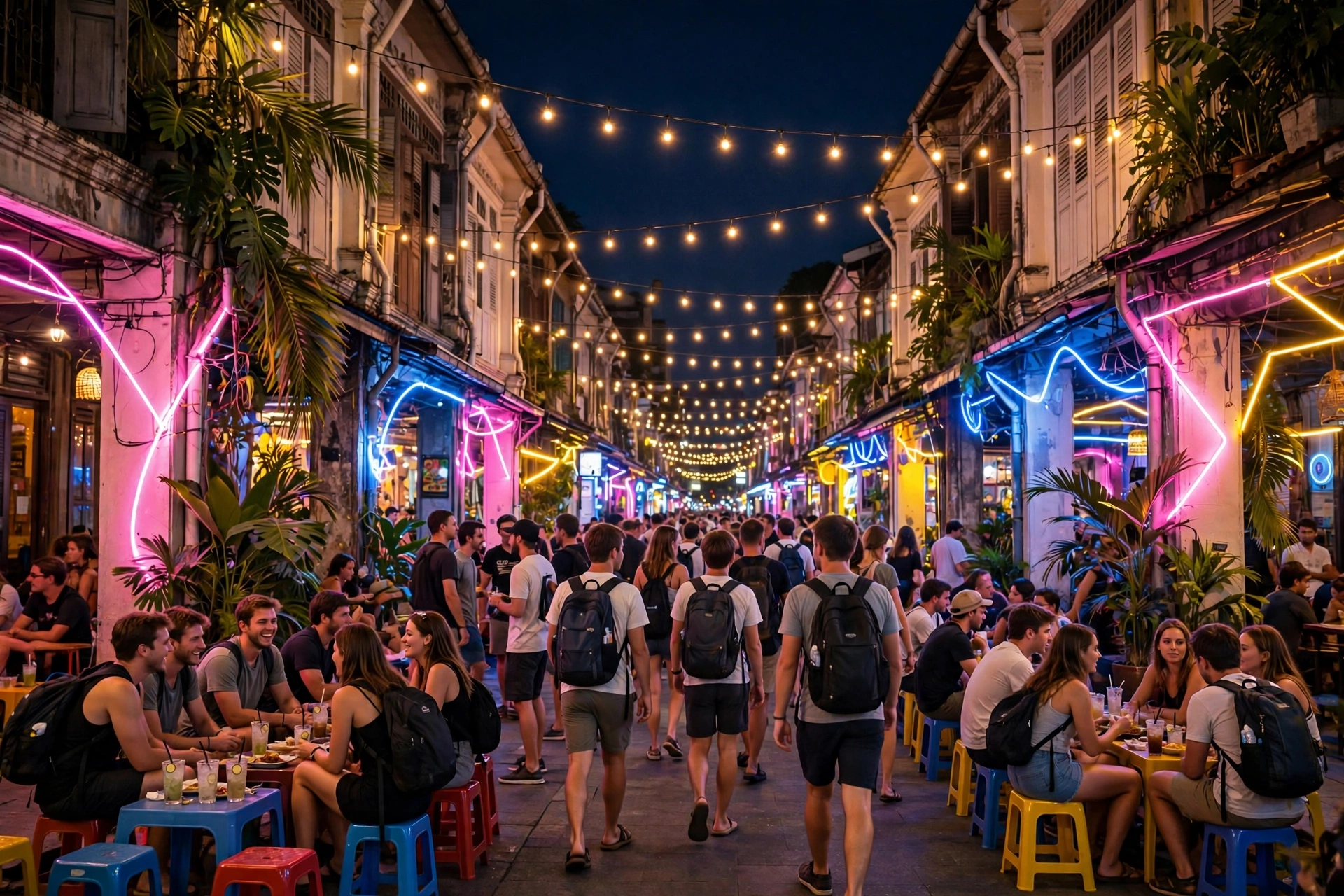
Bui Vien Walking Street is the beating heart of nighttime Saigon and one of the first places many visitors end up on their first evening in Ho Chi Minh City. Set in the city’s famous backpacker quarter, this short stretch of road transforms after dark into a neon-lit corridor of bars, street food vendors, live music and open-air seating that spills onto the road itself. It is loud, social, inexpensive and unapologetically touristy — which is exactly the point.
This guide to bui vien walking street covers everything a first-time visitor should know: where the street is and how to get there, the official pedestrian hours, what to eat and drink, what a night costs, and the practical safety tips that separate a great evening from a stressful one.
Key Takeaways
- Bui Vien Walking Street is a ~650-metre nightlife and backpacker strip in the Pham Ngu Lao area of Ho Chi Minh City’s Ben Thanh Ward.
- The official pedestrian zone runs Friday to Sunday from around 7:00 PM to 2:00 AM, when the road closes to motorbikes and cars.
- Entry is free; a local beer typically costs 20,000–60,000 VND (roughly $1–2.50), making it one of Southeast Asia’s cheapest nightlife scenes.
- Weekends are crowded and high-energy; come on a weekday or in the early evening for a calmer, more conversational visit.
Where Is Bui Vien Walking Street?
Bui Vien Walking Street sits in Ben Thanh Ward in central Ho Chi Minh City (Saigon), within the long-established Pham Ngu Lao backpacker district. The street itself runs roughly 650 metres and connects to neighbouring streets including De Tham and Pham Ngu Lao, forming a compact grid of hostels, travel agencies, cafes, restaurants and bars that is easy to explore entirely on foot.
It is close to the city’s best-known landmarks — roughly 1.5 km southwest of Ben Thanh Market — so most travelers staying in central District 1 can reach it within minutes. The simplest way to get there is on foot if you are staying in the Ben Thanh area, by taxi or a Grab ride from elsewhere in the centre (a ride from Ben Thanh Market typically costs around 30,000–40,000 VND), or by local bus routes that pass along nearby Pham Ngu Lao Street. Useful navigation landmarks include the Pham Ngu Lao bus station and the cluster of guesthouses and travel offices along De Tham Street.
Bui Vien Walking Street Hours: When the Street Comes Alive
The city of Ho Chi Minh launched the Bui Vien pedestrian program in 2017, designating the street as an official walking street on Friday, Saturday and Sunday evenings, typically from around 7:00 PM to 2:00 AM. During these hours the vehicle-free section — broadly between De Tham and Do Quang Dau — closes to motorbikes and cars, opening the road to street performances, outdoor dining, live music and the kind of free-form people-watching that makes the place famous.
For the full experience, Saturday evening between 8 PM and 11 PM is the peak: the largest crowds, the loudest music and the most intense visual energy. After midnight the character shifts — food vendors start packing up and the crowd becomes more bar-focused. The street technically stays lively every night of the week, since the surrounding area never really sleeps, but the formal pedestrian closure and the biggest crowds happen on the weekend nights.
Bui Vien runs year-round. Ho Chi Minh City’s dry season (December to April) brings the most international visitors and the busiest streets, while the wet season (May to November) can thin the crowd during a heavy downpour — though the bars stay open, and a quiet rainy weekday evening here has its own relaxed charm. If you prefer a quieter visit, daylight or early evening is the time to come; amplified music and dense crowds are the price of the peak hours.
What to Do on Bui Vien: Bars, Music and People-Watching
Nighttime is the defining Bui Vien experience. Open-fronted bars and clubs line both sides of the street, competing for attention with bright signs, DJs, live bands and promoters. Rooftop bars offer a view over the neon below, while ground-floor venues spill plastic stools and low tables directly onto the pedestrian road. Live music venues mix Vietnamese and international acts, and the multicultural crowd — travelers from dozens of countries alongside young Saigonese — makes the people-watching as entertaining as the entertainment.
You do not need a plan. The most enjoyable approach is to walk the full length of the street once, compare menus and noise levels, and pick a spot that matches your mood: a quieter corner for conversation or a high-energy bar for the full spectacle. If you enjoy cities known for their compact nightlife districts, our guide to Golden Gai in Tokyo covers a very different — but equally famous — bar-hopping scene built on tiny venues and local character.
Foot massages are widely offered by street-side vendors and small shops along and around Bui Vien, and agree on the price before you sit down. Street games, small stages with traditional and contemporary performances, and vendor stalls selling souvenirs and snacks fill the gaps between venues.
Street Food and Drinks Worth Trying
Eating on Bui Vien is part of the experience. Street vendors grill BBQ skewers, serve coconut sticky rice ice cream and sell the Vietnamese staples — pho, banh mi and spring rolls — at prices aimed at budget travelers. Grab a drink and a snack from a cart and eat on the low plastic stools like everyone else; that is the authentic way to do it.
For drinks, local beer is famously cheap, and the street’s bars pour everything from budget lagers to cocktails. Coffee culture is everywhere too: Vietnam’s iced coffee (ca phe sua da) and egg coffee are both easy to find in the cafes along and behind the main strip, which are also the best places to retreat when you want a calmer moment away from the noise.
How Much Does a Night on Bui Vien Cost?
Bui Vien is one of Southeast Asia’s most affordable nightlife scenes. A local beer typically runs 20,000–60,000 VND (about $1–2.50), street food snacks cost similarly little, and entry to the street itself is completely free — you pay only for what you order. Cocktails and imported drinks cost more, and prices in the most prominent venues can be higher than on the side streets, so compare menus before committing.
A practical budget tip: ask for prices before ordering, especially for drinks brought to you by promoters, and settle the bill as you go rather than running a tab you cannot track. ATM and currency exchange services are easy to find in the backpacker quarter, and small denominations of Vietnamese dong make paying vendors simple.
Safety Tips for Bui Vien Walking Street
Bui Vien is generally a safe, well-trafficked tourist area, but its crowds create the usual big-city risks. Keep valuables secure — use a front pocket, a money belt or a zippered bag — because pickpocketing in dense weekend crowds is the most common complaint. Be polite but firm with aggressive touts and promoters; a simple “no, thank you” and walking on works every time.
Watch your drink in busy venues, as you would in any nightlife district anywhere in the world. Agree on prices for massages, shoe shines and any street service before it starts. The street’s edgier reputation comes partly from a visible adult-entertainment presence; it is entirely possible to enjoy Bui Vien as a regular tourist focused on bars and food — most people on the street at any given time are there for exactly that. Before heading out, it also helps to read our travel advisory-style guide for nightlife destinations like Cabo San Lucas, which covers the same common-sense precautions that apply in any busy tourist nightlife zone.
Practical details that help: public Wi-Fi and restrooms are available in the area, visitor information points operate during pedestrian hours, and keeping your phone charged (a portable charger helps) makes navigation and ride-hailing much easier late at night.
Bui Vien by Day: Cafes, Hostels and Travel Services
By day, Bui Vien is an ordinary urban street lined with hostels, travel agencies, cafes, restaurants and small shops — and it is genuinely useful. This is where many travelers book onward buses, trains and tours across Vietnam, often at the cheapest prices in the city. Travel offices along the surrounding streets sell tickets to destinations like the Mekong Delta, Mui Ne and Da Lat, and comparing a few offices usually reveals the going rate.
The daytime cafes are a highlight in their own right, from big chains to local vintage-style spots serving strong Vietnamese coffee in quiet, air-conditioned calm. If you are staying in the quarter, daylight hours are the best time to sort out laundry, SIM cards, luggage storage and onward travel — the practical errands that keep a long trip running smoothly.
Frequently Asked Questions
What Should You Know About Bui Vien Walking Street?
The essential facts: Bui Vien Walking Street is a ~650-metre nightlife strip in Ho Chi Minh City’s Pham Ngu Lao backpacker district, officially pedestrianised on Friday to Sunday evenings from about 7:00 PM to 2:00 AM. Entry is free, drinks and street food are very cheap, and the atmosphere is loud, crowded and social — best on weekend nights, calmer on weekdays and in daylight.
What Are the Key Things to Consider for Bui Vien Walking Street?
Consider your timing (weekends are intense, weekdays are relaxed), your budget (a fun night can cost very little, but confirm prices before ordering), and your belongings (keep valuables secure in the crowds). Also think about where you stay: lodging in the quarter puts you steps from the action but also steps from the noise, so light sleepers may prefer a street or two of distance. For more on the current pedestrian schedule and visitor facilities, see the Bui Vien Street pedestrian hours guide.
How Can You Make the Most of Bui Vien Walking Street?
Arrive early enough to walk the whole street before choosing a venue, eat from the street carts as well as the bars, and pace yourself — the night runs until 2:00 AM. Mix the high-energy main strip with a quieter side-street cafe when you need a breather, and spend a daytime hour in the quarter booking onward travel at backpacker-quarter prices. For activity ideas beyond the bars, browse the Bui Vien Walking Street things-to-do guide before you go.
Conclusion
Bui Vien Walking Street is not subtle, and it does not try to be. It is a compact, affordable, relentlessly social introduction to Saigon after dark — a place where a cheap beer, good street food and a crowd of fellow travelers do most of the entertaining. Go with sensible expectations, keep your wits about your belongings, and you will likely leave with one of the most memorable evenings of your Vietnam trip. Whether you spend one loud Saturday night or several relaxed weekday evenings here, bui vien walking street earns its place on almost every Ho Chi Minh City itinerary.