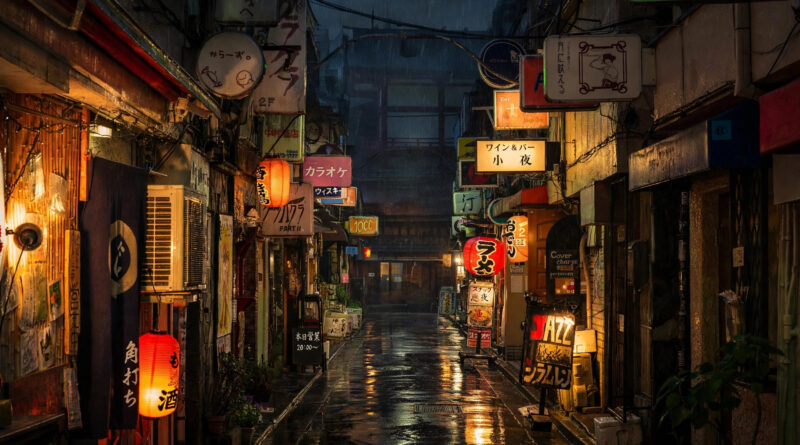
Golden Gai: What to Know
Golden Gai is one of Tokyo’s most distinctive nightlife districts: a compact maze of six narrow alleys in Shinjuku packed with around 200 to 300 tiny bars, each with its own personality. Unlike the neon mega-clubs and sprawling izakaya chains found elsewhere in the city, Golden Gai is famous for micro-bars that seat just a handful of patrons at a time, themed around everything from jazz and classic cinema to literature and photography. If you are planning a trip to Tokyo and want to understand what Golden Gai is really like before you go, this guide covers what to know, how the district works, and how to visit respectfully.
Key Takeaways
- Golden Gai is a historic drinking district in Shinjuku, Tokyo, made up of six narrow alleys filled with roughly 200 to 300 micro-bars.
- Each bar has its own theme and tiny capacity, so expect intimate, conversation-driven nights rather than loud club atmospheres.
- Many bars charge a small cover fee, and some are members-only or regulars-only; check the door sign before walking in.
- The district comes alive late in the evening, is an easy walk from Shinjuku Station’s east exit, and rewards small groups and polite etiquette.
What Golden Gai Is
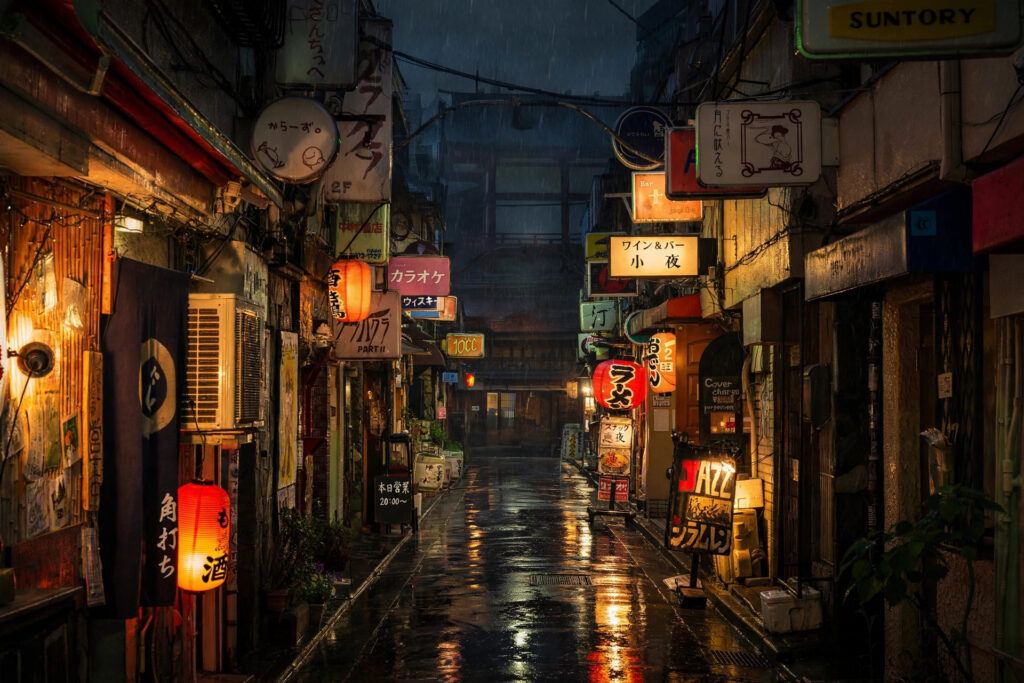
Golden Gai (sometimes styled “Golden-gai”) is a nightlife enclave tucked between the Shinjuku City Office and Hanazono Shrine, just a short walk from Shinjuku Station’s east exit. Its six tight alleys are lined with old two-story wooden buildings that date back to the early 1950s, giving the district a distinctly retro, lived-in feel that stands in sharp contrast to the glass towers of modern Shinjuku. This is one of the few places in Tokyo where the post-war streetscape has survived more or less intact, and that atmosphere is a big part of why the area draws so many visitors.
What makes the district special is the scale. Most Golden Gai bars are genuinely tiny: a counter, a few stools, and room for perhaps five to ten drinkers at a time. That intimacy turns a night out into a social experience, since you will inevitably end up chatting with the owner-bartender and fellow drinkers.
A Brief History of the District
Golden Gai grew out of the black-market area that took root around Shinjuku after World War II. In the late 1940s and early 1950s, the alleys filled with small drinking establishments serving workers and writers who lived in the neighborhood. While the surrounding areas of Shinjuku were repeatedly demolished and rebuilt during Japan’s rapid post-war growth, Golden Gai’s web of tiny plots and narrow private lanes made large-scale redevelopment impractical — preservation by accident. The district still carries the look and rhythm of mid-century Tokyo.
Over the decades, the area became a beloved haunt for creative types — musicians, writers, filmmakers, photographers, and journalists — many of whom kept their own “home” bar in the district. That cultural lineage continues today. Even as Golden Gai has grown more popular with international visitors, many bars still reflect the tastes and obsessions of their owners, from vinyl-only music bars to rooms decorated floor-to-ceiling with film memorabilia.
How the Bars Work: Themes, Cover Charges, and House Rules
Walking through Golden Gai for the first time can feel overwhelming, because almost every doorway is a different bar with a different identity. Some bars are built around a single musical genre, others celebrate a film director, a sport, or a literary movement. Many bars welcome anyone who walks in; others are effectively private clubs for regulars, and a few are explicitly members-only. The door usually tells the story: bars that welcome tourists and first-time visitors generally post their cover charge and menu clearly outside.
The cover charge, known as a “charge” or table fee, is standard practice in many Golden Gai bars and Japanese snack-style bars more broadly. It is not a tourist trap — it is part of how tiny bars stay in business — so expect it, ask about it if it is not posted, and factor it into your budget for the evening. Beyond the cover, drink prices are typically comparable to ordinary Tokyo bars. Tipping, on the other hand, is not customary in Japan, and you will not be expected to add one.
House rules matter here more than in a normal bar. Space is extremely limited, so groups larger than two or three people may struggle to be seated together. Many bars ask that you put phones away or at least avoid taking photos of other patrons. Cash is still king in small establishments, so carry enough yen. And because the alleys themselves are private roads, drinking or smoking in the street and photographing without permission are frowned upon — treat the district like the residential-scale neighborhood it is.
When to Go and How to Find It
Golden Gai is an evening destination, full stop. By day the alleys are quiet and the shuttered facades give little hint of what happens after dark; the district genuinely wakes up in the late evening. Most bars begin opening around 8 p.m. and the area stays lively until late, with peak hours running from roughly 10 p.m. onward. Arriving very early means you will find many doors still closed, so plan your dinner elsewhere and come afterward.
Getting there is straightforward. Golden Gai sits between Shinjuku Station’s east exit and Shinjuku-sanchome Station, only a few minutes on foot from either. The area borders Kabukicho, Shinjuku’s famous entertainment district, which makes it easy to combine the two in one night — though Golden Gai’s low-key, old-school mood is deliberately the opposite of Kabukicho’s high-energy neon. Because Shinjuku Station is one of the busiest rail hubs in the world, checking which exit you need before you set out will save you a long underground detour.
If you are building a wider Tokyo itinerary, pairing Golden Gai with other Shinjuku experiences makes for a natural evening. The observation decks in western Shinjuku offer sunset views, the department-store food halls near the east exit are worth a visit before the bars open, and the quiet grounds of Hanazono Shrine sit right next to the district. For a broader travel perspective, our guide to Cabo San Lucas covers a very different kind of nightlife-and-travel destination, while the Atlas Mountains guide shows how far a single trip can stretch when you plan by interest rather than by map pin.
Tips for a Great Night in Golden Gai
A little preparation goes a long way in Golden Gai, because the district rewards visitors who understand its scale and culture. First, keep your group small. Parties of one to three people will find seats easily and are more likely to be welcomed into bars that prioritize regulars; larger groups can feel disruptive in a room built for eight. Second, do a slow lap of the alleys before committing to a bar. The themes are visible in the doorways, signage, and decor — look for the one that genuinely interests you rather than ducking into the first open door.
Third, be conversational. The whole point of these micro-bars is proximity: you sit shoulder to shoulder with the bartender and other drinkers, and the best nights are the ones where you join in. A little Japanese goes a long way, but many bars that welcome international guests have English-speaking staff or picture menus. Fourth, pace yourself. Golden Gai is made for bar-hopping — most visitors drift through two or three bars in an evening rather than settling into one — so treat each stop as a single drink and a conversation, then move on to the next doorway that catches your eye.
Finally, respect the “no” gracefully. If a bar’s sign indicates it is full, private, or closed to new visitors, simply move on. There are hundreds of alternatives within a few steps, and the district’s charm is precisely that so many distinct little worlds exist side by side. For official visitor information, Tokyo’s official travel guide maintains a detailed Golden Gai spot page, and the local shopping-street association’s directory offers a practical overview of the area with etiquette notes for first-time visitors.
Is Golden Gai Worth Visiting?
For most visitors to Tokyo, yes — with the right expectations. Golden Gai is not a place for dancing, large parties, or late-night clubbing, and it is not the cheapest night out in the city. What it offers instead is something increasingly rare: a human-scale nightlife where the bartender remembers faces, the playlist reflects one person’s taste, and a single evening can introduce you to travelers, artists, and locals you would never have met otherwise.
Frequently Asked Questions
What should you know about golden gai?
The essential facts: Golden Gai is a historic bar district in Shinjuku, Tokyo, made up of six narrow alleys containing around 200 to 300 micro-bars, each with its own theme. Most bars open late in the evening, many charge a small cover fee, some are members-only, and the district is known for its intimate, conversation-driven atmosphere and 1950s-era streetscape.
What are the key things to consider for golden gai?
Consider four things before you go: timing (arrive late evening, not daytime), group size (one to three people works best), budget (expect a cover charge plus drinks, and carry cash), and etiquette (respect posted house rules, ask before photographing, and treat the alleys as a residential-scale neighborhood). Checking each bar’s door sign for cover charges and admission policies will save you awkward moments.
How can you make the most of golden gai?
Plan to bar-hop rather than settle in: two or three bars in an evening is a typical pace. Do a slow walk through the alleys first and choose bars whose themes genuinely interest you. Keep the conversation going — the social intimacy is the whole point — and stay flexible: if a bar is full or private, there are hundreds more doorways nearby. Pair the visit with dinner and sightseeing elsewhere in Shinjuku for a complete evening.
Conclusion
Golden Gai is a living piece of Tokyo’s history: six alleys of tiny, fiercely individual bars that have survived decades of redevelopment by staying small, personal, and stubbornly themselves. Whether you are drawn by the jazz bars, the film-themed rooms, or simply the chance to drink shoulder to shoulder with locals in a 1950s time capsule, the district rewards visitors who come with curiosity and respect. Go late, go small, read the door signs, and let the alleys guide you — that is the Golden Gai experience at its best.