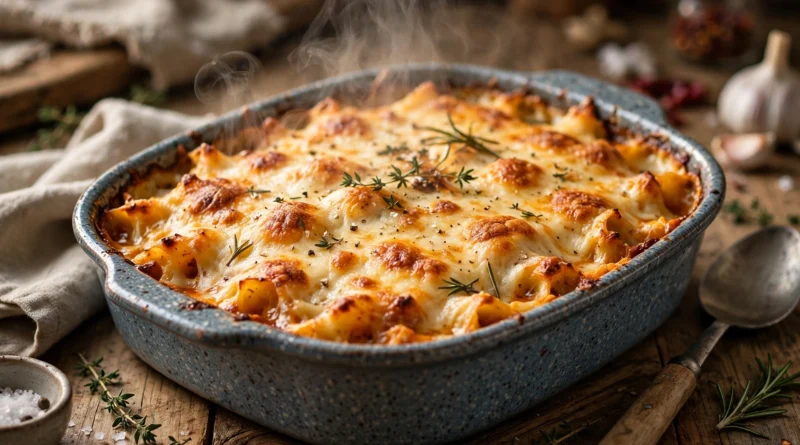
Casserole Recipes: Easy Comfort-Food Dinners for Busy Weeknights
Direct Answer: Casserole recipes are oven-baked, one-dish meals made by combining a protein, a starch or vegetable, a sauce, and a topping in a baking dish and cooking them together until hot and bubbling. They are popular because they use affordable everyday ingredients, need little hands-on time, feed a crowd from a single dish, and reheat well, which makes them ideal for busy weeknights, potlucks, and holiday tables.
Key Takeaways:
- A casserole is both the dish and the meal: ingredients baked together in one deep oven-safe dish.
- The easiest casserole recipes use precooked meat, frozen vegetables, jarred sauce, or canned beans.
- Most casseroles can be assembled ahead and refrigerated, or frozen unbaked for up to 3 months.
- Stop a watery casserole by draining vegetables, pre-cooking watery ingredients, and resting the dish 5-10 minutes after baking.
- Leftover casserole keeps 3-4 days in the refrigerator and must be reheated to 165°F, per USDA guidance.
What Is a Casserole?
A casserole is a meal cooked slowly in the oven in a deep dish, where the ingredients share one sauce and finish together. The word also names the dish itself: a deep, oven-safe baking dish, usually ceramic or glass, with straight sides that hold layers in place.
So what is a casserole dish, exactly? It is that deep baking dish — not a shallow sheet pan and not a skillet. Its depth matters: it lets sauces bubble without spilling, keeps layers distinct, and gives the top room to brown while the centre cooks through. A 9×13-inch dish is the most common size for family casserole recipes, while an 8×8-inch dish suits smaller households.
What Is Comfort Food — and Why Casseroles Qualify
Comfort food is food that feels familiar, filling, and soothing — usually warm, hearty, and tied to home cooking. Casseroles are the textbook example: melted cheese, tender pasta or potatoes, and savoury sauces, served straight from the dish they baked in. That is why they show up at family dinners, holiday tables, and whenever someone needs a meal that can be dropped off at a neighbour’s door.
The Best Easy Casserole Recipes by Type
The table below groups the most-loved casserole recipes by what they are built around, so you can pick by what is already in your kitchen.
| Type | Classic examples | Best for |
|---|---|---|
| Chicken | Chicken and rice, chicken enchilada, chicken tetrazzini | Weeknights, using leftover chicken |
| Beef | Tater tot casserole, cheeseburger casserole, beef and potato | Feeding hungry families on a budget |
| Pasta | Baked ziti, baked spaghetti, tuna noodle casserole | Crowds, potlucks, freezer cooking |
| Vegetable | Green bean casserole, broccoli and potato, spinach ravioli bake | Holiday sides, meatless dinners |
| Breakfast | Sausage and egg strata, ham and cheese croissant casserole | Slow weekend mornings, brunch guests |
Chicken Casserole Recipes
Chicken and rice casserole is one of the easiest casserole recipes to start with: cooked chicken, cooked rice, a creamy sauce, and cheese, baked until bubbling. Chicken enchilada casserole layers tortillas, shredded chicken, enchilada sauce, and cheese — no rolling required — which is why it is a favourite for busy nights. Both are also good homes for leftover roast chicken.
Beef Casserole Recipes
Tater tot casserole layers browned ground beef and onions with soup or sauce, cheddar, and frozen tater tots, baked at around 400°F until the tots are crisp. Cheeseburger casserole mixes cooked beef, pasta, tomatoes, and cheese for a family-friendly dinner inspired by cheeseburgers. Beef and potato casserole is the most budget-friendly of the three, built on ingredients that cost little and stretch far.
Pasta and Classic Casserole Recipes
Baked ziti — pasta, marinara, ricotta, and mozzarella — is a potluck staple because it scales easily and holds up well on a buffet. Tuna noodle casserole, made with pasta, flaky tuna, peas, and a creamy sauce under a crunchy topping, is an affordable classic that has fed families for generations. Green bean casserole, with tender green beans in creamy mushroom sauce and crispy fried onions, is the holiday side dish most people expect on the Thanksgiving table.
Breakfast and Vegetarian Casserole Recipes
A sausage and egg strata layers bread, browned sausage, and cheese with whisked eggs and milk, then rests overnight in the refrigerator and bakes in the morning — the ideal make-ahead brunch. For a meatless dinner, cheesy broccoli and potato casserole combines tender potatoes and broccoli with a homemade cheese sauce, and it is filling without any meat at all.
How to Build Any Casserole in 5 Steps
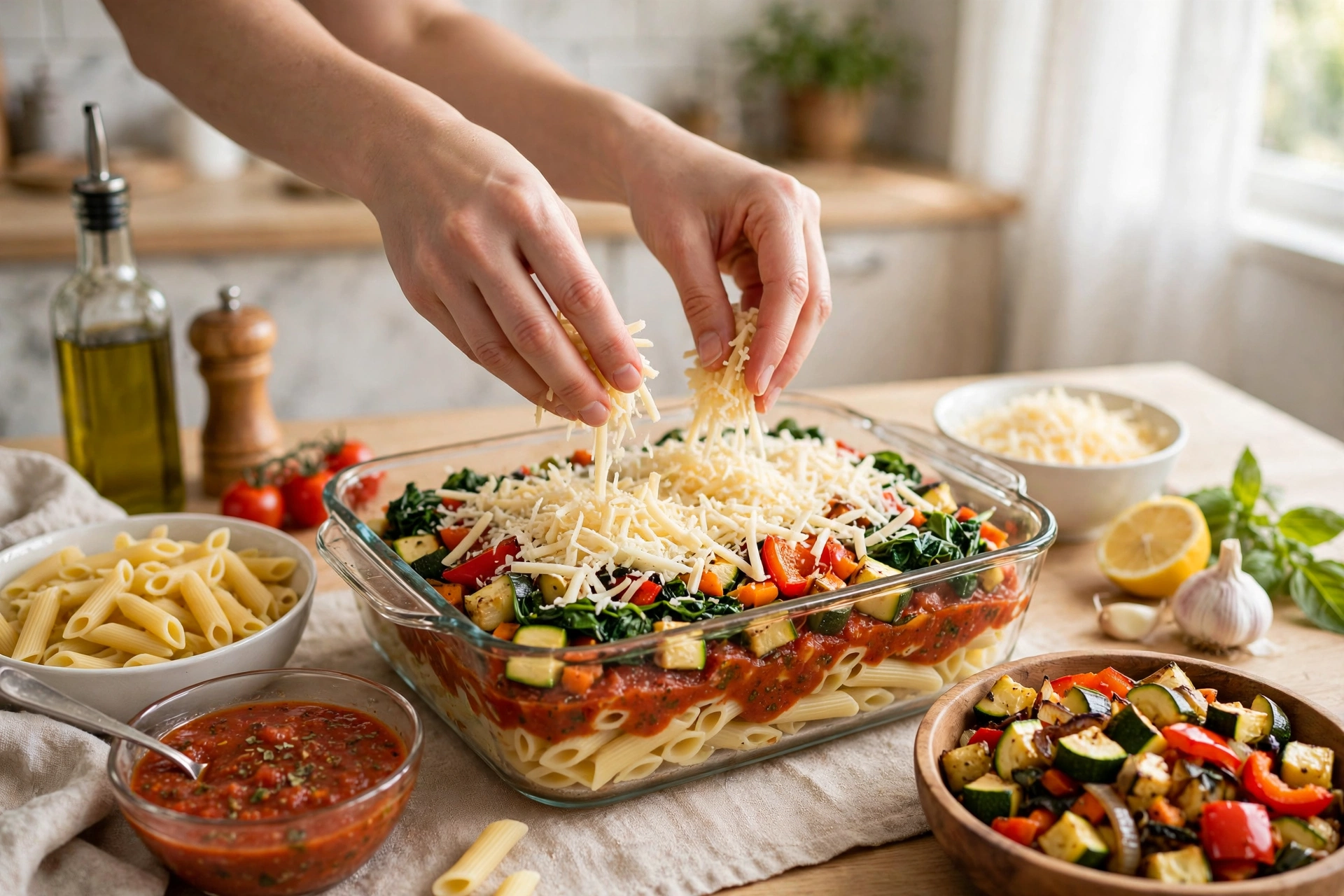
- Pick a base. Rice, pasta, potatoes, or bread — one starch anchors the dish.
- Add a protein and vegetables. Cooked chicken, browned beef, beans, or tofu, plus vegetables (drain canned or frozen ones well).
- Bind it with a sauce. A simple white sauce, tomato sauce, or enchilada sauce holds everything together.
- Top it. Cheese, breadcrumbs, crushed crackers, or tater tots give the golden finish.
- Bake, then rest. Bake until hot and bubbling throughout, then rest 5–10 minutes so the casserole sets and slices neatly.
How Do I Stop a Casserole From Becoming Watery?
A watery casserole is the most common disappointment, and it is preventable. Drain vegetables thoroughly — especially frozen spinach, mushrooms, and canned beans. Pre-cook watery ingredients such as zucchini or mushrooms so their moisture cooks off before assembly. Do not add too much liquid: sauces thicken as they bake, and a dish that looks slightly dry going in usually finishes just right. Finally, let the casserole rest after baking; resting helps it set instead of running.
Can I Make Casseroles Without Condensed Soup?
Yes. A simple white sauce made from butter, flour, milk, and broth replaces condensed soup in most casserole recipes, and it takes only a few minutes. Greek yogurt stirred in at the end can add creaminess, and a tomato-based sauce works for pasta and enchilada-style bakes. The swap also lets you control the salt, which canned soups often overdo.
Can You Prepare Casseroles Ahead of Time?
Many casserole recipes can be assembled ahead and refrigerated before baking — cover the dish tightly and keep it cold. A dish that goes into the oven straight from the refrigerator needs extra baking time, so check the centre is hot throughout rather than trusting the clock alone. Breakfast strata-style casseroles are designed for this: assemble at night, bake in the morning.
Can Casseroles Be Frozen?
Yes, most casseroles freeze well, baked or unbaked. Freeze unbaked casseroles for up to about 3 months: assemble in a freezer-safe dish, wrap tightly, and label with the date. Thaw overnight in the refrigerator before baking, and add extra time if the centre is still cold. Baked leftovers can be frozen in portions for quick future dinners.
Are Casseroles Good for Meal Prep?
Casseroles are excellent for meal prep because one baking session produces several days of dinners. Bake on Sunday, portion into containers, and refrigerate what you will eat within 3–4 days; freeze the rest. Rice, pasta, potato, and bean-based casseroles all hold up well, and reheating a single portion is faster than cooking from scratch on a weeknight.
Can I Make Casseroles for Just Two People?
Yes — halve a standard recipe and bake it in a smaller dish, such as an 8×8-inch pan or a loaf pan, or divide it between two oven-safe bowls. Small-batch casseroles are ideal for one- or two-person households: you get the comfort of a baked dinner without a week of leftovers. Reduce the baking time slightly and check for bubbling at the edges.
How Do I Know When a Casserole Is Done?
A casserole is done when it is hot and bubbling throughout — especially at the centre, not just the edges — and the top is golden. For meat casseroles, the safest check is a food thermometer: leftovers and casseroles should reach 165°F when reheated, and freshly cooked poultry in a casserole should reach 165°F as well. If the top browns before the centre is hot, cover the dish loosely with foil and keep baking.
What Should You Serve With a Casserole?
Because a casserole already combines protein, starch, and often vegetables, the side can stay simple. A green salad, steamed broccoli or green beans, roasted vegetables, or warm garlic bread all work. For rich, cheesy bakes, something fresh and crunchy — a slaw or a simple salad — balances the plate best.
Storing Leftover Casserole Safely
| Storage | How long | Key rule |
|---|---|---|
| Refrigerator | 3–4 days | Refrigerate within 2 hours of cooking |
| Freezer | Up to 3 months for quality | Wrap tightly, label with the date |
| Reheating | Until steaming hot throughout | Reheat to 165°F, measured with a thermometer |
These are the USDA Food Safety and Inspection Service’s rules for leftovers: refrigerate within 2 hours, keep 3–4 days in the fridge or 3–4 months in the freezer, and reheat to 165°F. Sauces, soups, and gravies should be brought to a rolling boil when reheated. For more detail, see the USDA’s leftovers guidance (https://www.fsis.usda.gov/food-safety/safe-food-handling-and-preparation/food-safety-basics/leftovers-and-food-safety) and FoodSafety.gov’s four steps to food safety (https://www.foodsafety.gov/keep-food-safe/4-steps-to-food-safety).
Frequently Asked Questions
What is the easiest casserole to make?
Cheesy chicken and rice casserole, tater tot casserole, and baked ziti are among the easiest casserole recipes because they use familiar ingredients and require minimal preparation — precooked meat, frozen vegetables, or jarred sauce do most of the work.
Can I use fresh vegetables instead of frozen in a casserole?
Yes, but cook watery fresh vegetables first or drain them well, or the casserole can turn watery. Frozen vegetables are often easier because they are already blanched.
Do I need a special dish to make a casserole?
Any deep, oven-safe dish works — ceramic and glass are classic, but a metal baking pan is fine too. The key is depth: shallow pans spill and dry out.
Conclusion
Casserole recipes earn their place in a busy kitchen: one dish, affordable ingredients, and dinners that taste just as good reheated as they did on night one. Start with an easy one — chicken and rice, tater tot, or baked ziti — learn the five-step build, and you will have a reliable rotation for weeknights, potlucks, and holiday tables alike. For more make-ahead comfort cooking, see our slow cooker chicken recipes (https://updatemag.com/slow-cooker-chicken-recipes/) and our guide to soup season (https://updatemag.com/soup-season/), which pair naturally with a casserole night.
For nights when the oven feels like too much, try these fast and easy dinner recipes for quick weeknight ideas that are ready in 15 to 30 minutes.
After dinner, keep the evening going with a family movie night.
For a holiday spread before the main dish, try these hors d’oeuvres for easy holiday party ideas, quantities and food-safety basics.
For a slower weekend version, try our Sunday dinner ideas, which include baked pasta casseroles and make-
ahead menus.
For a lighter take on baked dinners, see our low carb meals guide for breakfast, lunch and dinner ideas with fewer carbs.