El Salvador Tourism: Travel Guide, Tips & Highlights
El Salvador tourism is quietly having its moment. The smallest country in Central America packs volcanoes, black-sand surf beaches, colonial towns and Mayan archaeological sites into a compact area you can cross in a few hours. For travelers who want real adventure without the crowds of more famous destinations, El Salvador offers world-class waves, scenic mountain routes and a food culture built around the beloved pupusa. This guide covers the highlights, the best time to visit, and practical tips to help you plan with confidence.
Whether you are coming for the surf, the volcano hikes or the coffee-country towns, el salvador tourism rewards visitors who arrive prepared. Distances are short, the US dollar is the official currency, and the country’s compact size means you can combine coast, mountains and culture in a single trip. Read on for what to know before you go.
Key Takeaways
- El Salvador combines Pacific surf beaches, volcano hikes, colonial towns and Mayan heritage sites in one compact, easy-to-travel country.
- The dry season from November to April brings the best weather for beaches, hiking and sightseeing.
- The US dollar is the official currency and Spanish is the official language, so basic Spanish phrases go a long way.
- Plan ahead with reputable transport, check your government’s current travel advice, and stick to established tourist areas for a smooth trip.
Why El Salvador Is Drawing More Travelers
El Salvador spent years as one of Central America’s least-visited countries, and that is exactly what makes it appealing now. While other destinations in the region have become crowded, El Salvador still feels undiscovered: uncrowded lineups at famous surf breaks, quiet colonial streets in towns like Suchitoto, and hiking trails where you may share the path with just a handful of others.
The country’s geography does a lot of the heavy lifting. A chain of volcanoes runs across the interior, several with crater lakes, while the Pacific coast delivers consistent surf. Coffee plantations blanket the highlands along scenic routes, and archaeological sites preserve layers of Mayan and pre-Columbian history. Because everything is close together, a single week can include beach days, a volcano summit, a colonial town and ancient ruins without exhausting travel days.
Top Places to Visit in El Salvador
A good el salvador tourism itinerary touches several regions. Start with San Salvador, the capital, where the historic center holds landmarks such as the Metropolitan Cathedral, the National Palace and the National Theatre. Nearby neighborhoods offer museums, markets and restaurants that give a feel for modern Salvadoran life.
On the coast, the area around El Tunco is the heart of the country’s surf scene, now marketed as “Surf City” as development continues along the shoreline. Nearby breaks like El Sunzal and Punta Roca draw surfers from around the world. Even if you do not surf, the beach towns are lively places to watch sunsets and eat fresh seafood.
Inland, the Ruta de las Flores (Route of the Flowers) winds through colorful mountain towns including Juayúa, Ataco, Apaneca and Nahuizalco. Expect weekend food festivals, murals, coffee farms, waterfalls and cooler mountain air. The colonial town of Suchitoto, with its cobblestone streets and lakeside setting, is another favorite for culture and crafts.
For history, the Joya de Cerén archaeological site — a UNESCO World Heritage Site often called the “Pompeii of the Americas” — preserves an ancient village buried by volcanic ash. Other Mayan sites, including Tazumal and San Andrés, add depth to the story of the region. Travelers exploring neighboring Central American countries such as Nicaragua will find similar layers of history across the isthmus, which makes multi-country trips easy to imagine.
Surfing and the Pacific Coast
Surfing is arguably the biggest driver of el salvador tourism right now. The Pacific coast’s consistent swells, warm water and variety of breaks — from beginner-friendly beach breaks to world-class point breaks — put the country on the map for surfers long before mainstream travelers noticed. El Tunco, El Sunzal and Punta Roca are the best-known spots, and surf camps and board rentals are widely available in the beach towns.
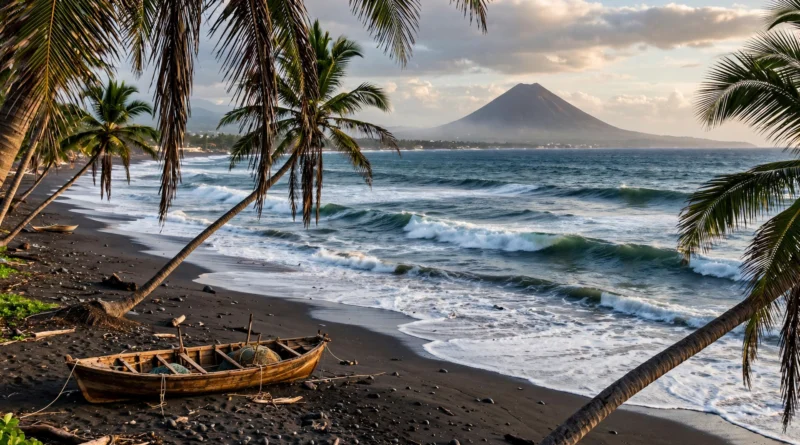
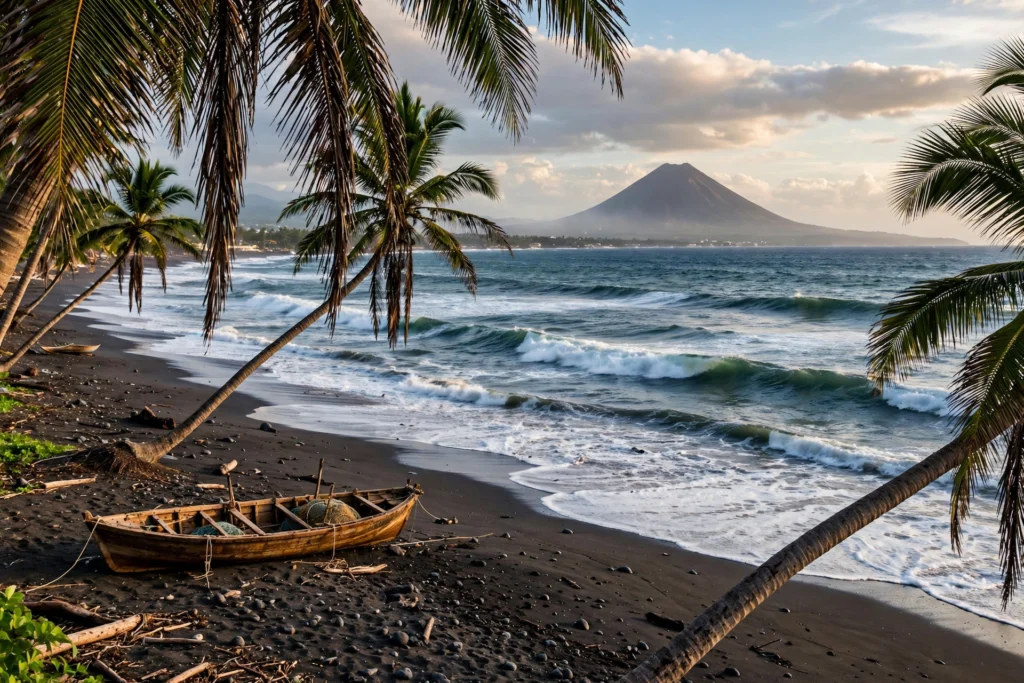
Non-surfers still get plenty from the coast. Black-sand beaches, dramatic sunsets, fishing villages and beachfront restaurants serving fresh seafood make the shoreline worth visiting on any itinerary. Boat tours, kayaking in mangrove estuaries and wildlife watching add variety beyond the waves.
Volcanoes, Lakes and Outdoor Adventures
El Salvador’s volcanic landscape is made for hikers. The Santa Ana Volcano (Ilamatepec), the country’s highest volcano, is a popular guided hike that rewards climbers with views of a striking turquoise crater lake. Nearby Cerro Verde National Park offers trails with panoramic views across the volcanic chain.
Lake Coatepeque, a volcanic crater lake with deep blue water, is a favorite weekend escape for swimming, kayaking and lakeside restaurants. Further afield, waterfalls like those at Tamanique, cloud forests and national parks offer hiking, birdwatching and ziplining. The variety means outdoor travelers can build a trip around adventure alone, then round it out with beach time and culture.
Best Time to Visit El Salvador
The dry season from November to April is generally considered the best time for el salvador tourism, with sunny days ideal for beaches, hiking and sightseeing. Expect larger crowds and higher demand around the winter holidays and Holy Week, when domestic travel also peaks.
The green season from May to October brings afternoon rain and lusher landscapes. Travel is still very possible during these months — mornings are often clear, and prices and crowds are lower — but plan outdoor activities early in the day and keep rain gear handy.
Practical Tips for El Salvador Tourism
A few practical points make any trip smoother. The US dollar is the official currency, which simplifies money matters for American visitors; bring a mix of cash and cards, since smaller towns and rural areas run on cash. Spanish is the official language, and while tourist areas may have some English speakers, learning basic phrases will improve every interaction.
Entry requirements vary by nationality, so check the current rules before you book — many visitors can enter without a visa for short stays, and passports generally need to be valid for six months beyond arrival. For up-to-date safety and entry guidance, consult resources like this up-to-date safety and entry guidance alongside your own government’s travel advisory.
Getting around is easiest with private shuttles, rental cars or ride-hailing in cities. Public “chicken” buses are cheap but can be confusing for first-time visitors, so many travelers prefer door-to-door shuttles between destinations. Whatever you choose, use reputable, licensed transport and avoid isolated areas after dark.
Food is a highlight: try pupusas (thick corn tortillas stuffed with cheese, beans or meat), yuca frita, tamales and highland coffee. Eating at local markets and family-run restaurants is both delicious and a direct way to support local communities. If you are building a wider Central America itinerary, guides to other Central American destinations like Belize pair naturally with an El Salvador trip.
Safety deserves honest attention. The security situation has improved notably in recent years, but official advisories still urge caution in places, and emergency measures remain in force. Check your government’s latest advice before and during your trip, keep valuables out of sight, and follow local guidance on which areas to visit. Detailed planning resources such as Frommer’s planning guide for El Salvador are useful companions when mapping out logistics.
Frequently Asked Questions
What should you know about el salvador tourism?
You should know that El Salvador is a compact Central American country known for Pacific surf beaches, volcano hikes, colonial towns and Mayan archaeological sites including the UNESCO-listed Joya de Cerén. The US dollar is the official currency, Spanish is the official language, and the dry season from November to April offers the best weather. Check current entry requirements and your government’s travel advisory before you go.
What are the key things to consider for el salvador tourism?
The key things to consider are timing, transport, money and safety. Visit in the dry season for the best conditions, use reputable private shuttles or rental cars to get around, carry US dollars in cash for smaller towns, and follow current official travel advice. Also consider how El Salvador fits into a wider Central America trip, since neighboring countries are easy to combine.
How can you make the most of el salvador tourism?
Make the most of it by mixing regions: surf or relax on the Pacific coast, hike a volcano like Santa Ana, drive the Ruta de las Flores through coffee country, explore colonial Suchitoto, and visit Joya de Cerén for Mayan history. Eat local food like pupusas, stay in locally run guesthouses, and give yourself at least a week to see the country without rushing.
Conclusion
El Salvador tourism offers something rare: a destination with world-class surf, dramatic volcanoes, rich culture and genuine warmth, still free of overwhelming crowds. With the US dollar as currency, short travel distances and a growing tourism infrastructure, it is more accessible than many travelers assume. Plan around the dry season, travel with reputable transport, stay current on official advice, and you will find a country that rewards curiosity many times over. Start sketching your itinerary — the waves, the crater lakes and the pupusas are waiting.