Halloween Pumpkin Patch: Best Farms, Activities & Visitor Tips
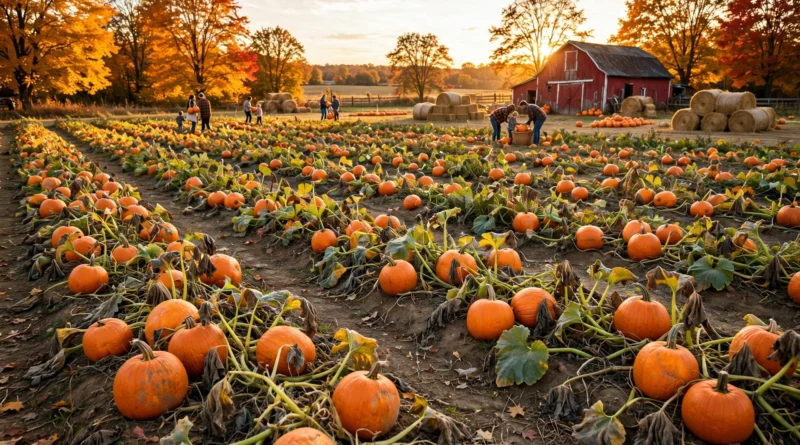
A halloween pumpkin patch is one of the most beloved autumn traditions — a place where golden fields, crisp air, and rows of bright orange pumpkins come together for a full day of seasonal fun. Whether you are picking the perfect pumpkin to carve, wandering through a corn maze with friends, or simply soaking up the fall atmosphere, a visit to a halloween pumpkin patch offers something for every age. In this guide, you will find the best activities to enjoy, practical planning tips, advice on choosing the right pumpkin, and answers to the questions visitors ask most.
Key Takeaways
- Peak season is early to mid-October, and visiting on a weekday or early in the morning helps you avoid crowds and get the best selection.
- Most patches offer far more than pumpkin picking: hayrides, corn mazes, petting zoos, and seasonal food are standard highlights.
- Choose pumpkins with smooth skin, no soft spots, and a sturdy stem so they last longer as decoration or carving projects.
- Dress in layers with sturdy footwear, bring cash for smaller vendors, and pack a wagon if you plan to carry multiple pumpkins home.
What Makes a Halloween Pumpkin Patch Special
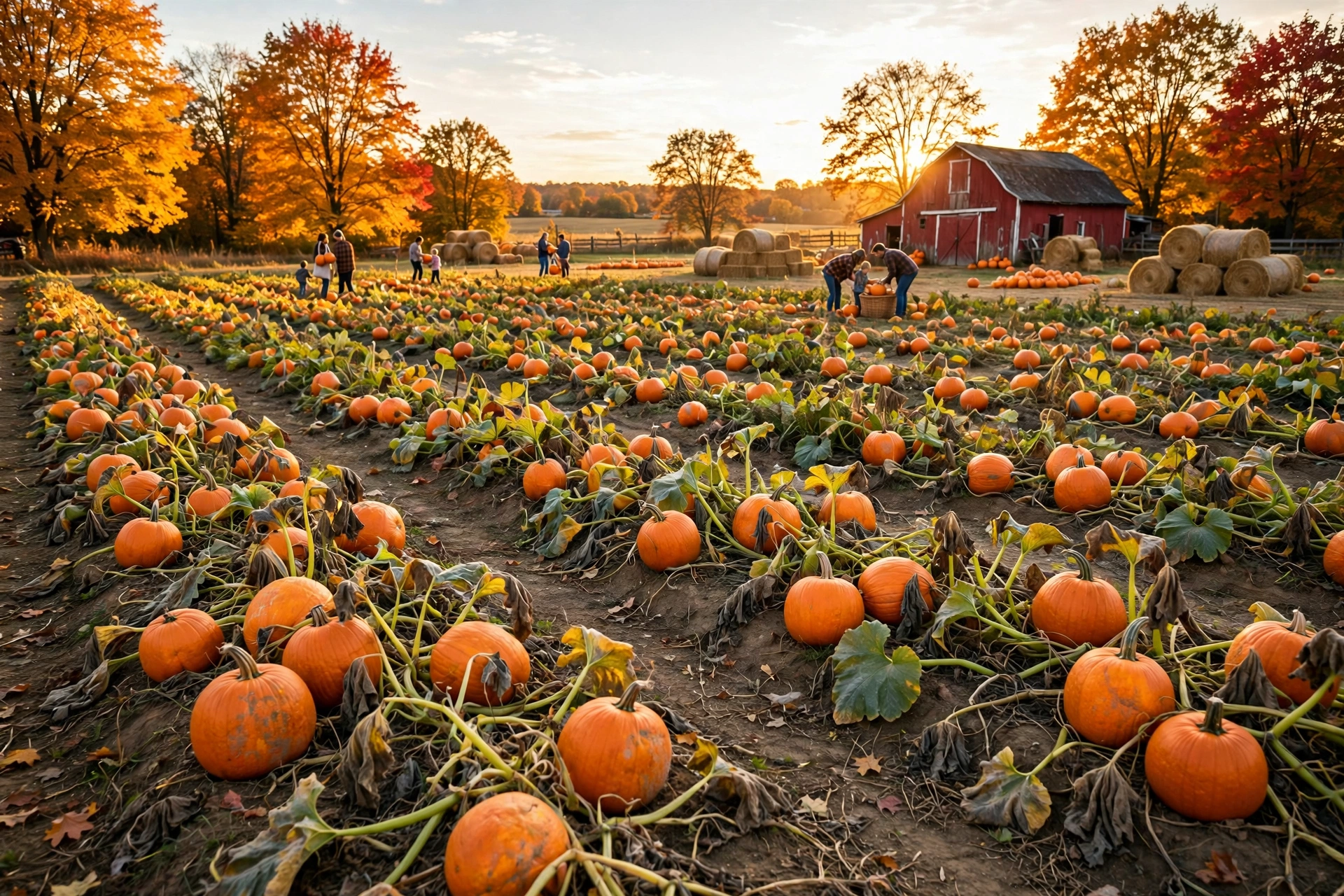
A halloween pumpkin patch is more than a place to buy a pumpkin — it is a working farm experience built around the harvest season. Most patches set up temporary attractions alongside the fields: photo-worthy displays of hay bales and scarecrows, farm markets selling fresh produce, and food stalls serving seasonal treats like cider donuts and caramel apples. The atmosphere is designed for wandering, exploring, and lingering, which is why families often spend an entire afternoon there.
Many patches lean into the spooky spirit of the season with themed weekends, decorated barns, and kid-friendly costume events. Some also run evening sessions with string lights, bonfires, and age-appropriate haunted attractions. Because every patch has its own character — from small family-run farms to large festival-style operations — checking the farm’s website or social pages before you go helps you match the visit to your group’s expectations. For more seasonal trip ideas, see our fall travel coverage.
The Best Time to Visit a Pumpkin Patch
Timing matters more than most visitors expect. Pumpkin patches generally open in late September and run through the end of October, but the sweet spot for a visit is early to mid-October. Go too early and some attractions may not be fully set up; go in the final days before Halloween and the pick of the patch will be slim, especially for large or unusually shaped pumpkins.
Weekends are by far the busiest days, and holiday weekends can mean long lines for parking, food, and popular rides. If your schedule allows it, a weekday visit is noticeably calmer and gives you first choice of the field. On weekends, arriving right at opening time achieves much the same effect — the crowds build steadily through the afternoon. Morning light also makes for better photos across the patch. If you are exploring pumpkin destinations in specific cities, our guides to pumpkin patches in Los Angeles and pumpkin patches in Visalia include timing tips tailored to each area.
Top Activities at a Halloween Pumpkin Patch
Picking pumpkins is the headline act, but the supporting attractions are what turn a quick stop into a memorable outing. Here are the activities most patches offer and how to make the most of each one.
Pick-Your-Own Pumpkin Fields
Wandering the field and cutting your own pumpkin from the vine is a fundamentally different experience from grabbing one at a grocery store. Fields often grow several varieties side by side — classic carving pumpkins, small sugar pumpkins for cooking, and knobbly heirloom types that make striking porch decorations. Bring a wagon or tote, because pumpkins get heavy fast, and a wagon can also carry tired little ones.
Corn Mazes and Hayrides
The corn maze is the signature challenge of the season, with some farms designing multi-acre layouts that take 30 minutes or more to solve. Younger children do best in the “kiddy” sections many farms carve out separately. Hayrides, meanwhile, are the low-effort pleasure of the day — a slow loop around the farm that gives grandparents and small kids a rest while still feeling festive.
Petting Zoos, Play Areas, and Food Stalls
Family-oriented patches typically add petting zoos, playgrounds with slides and climbing structures, and face-painting stations. The food is half the fun: expect kettle corn, caramel apples, roasted corn, hot cider, and fresh donuts made on-site. Supporting the farm’s market by buying a jar of jam or a bag of apples is a nice way to close out the day. A practical overview of what a first visit involves can be found in this pumpkin patch visit guide.
How to Choose the Perfect Pumpkin
Whether the pumpkin is destined for carving, cooking, or the front steps, selection follows the same rules. Look for smooth, firm skin with no soft spots, bruises, or cracks — damage invites rot and shortens the pumpkin’s life dramatically. The stem should be sturdy and still attached; a missing stem means the pumpkin will decay much faster. Lift it: a good pumpkin feels heavy for its size, which indicates thick walls and fresh flesh.
For carving, choose a pumpkin with at least one broad, relatively flat face and a shape that suits your design — tall and oval for classic faces, round for cartoonish grins. Thump it gently; a hollow sound means thinner walls that are easier to carve. For cooking, small sugar pumpkins outperform the big carving varieties in flavor and texture. And for pure decoration, embrace the oddballs: warty, striped, and ghost-white pumpkins make the most interesting displays.
Planning Tips for a Smooth Visit
A little preparation goes a long way at a working farm. Autumn weather shifts quickly, so dress in layers and wear closed-toe shoes with good grip — boots or old sneakers handle muddy fields far better than anything white. Fields get slippery after rain, so watch your footing on uneven ground and keep children in sight, especially in corn mazes.
Bring cash even if you expect to pay by card: many smaller vendors, craft stalls, and snack stands operate cash-only. Check the patch’s website the night before for hours, admission prices, and any capacity limits or timed-entry rules. Buying an all-activity wristband is usually better value than paying per attraction if your group plans to try everything. Finally, toss a towel or old sheet in the car to protect seats from muddy boots and muddy pumpkins on the ride home. These practical habits are echoed in this long-running family guide to the annual pumpkin patch trip, which has covered the tradition for years.
Making It a Full-Day Fall Outing
The savviest visitors treat the pumpkin patch as the centerpiece of a broader fall day rather than a one-hour errand. Pair the morning at the patch with an afternoon scenic drive through fall foliage, a stop at a nearby apple orchard or farmers market, and an early dinner at a local restaurant. Many patches cluster in agricultural regions, so a single day trip can easily cover two or three seasonal stops.
After the visit, the fun continues at home. Carving jack-o’-lanterns is the obvious next step, but don’t overlook the kitchen: roast the seeds with salt and spices for a snack, and turn sugar pumpkins into pie, soup, or roasted side dishes. Uncarved pumpkins kept cool and dry can decorate your porch for weeks, extending the season’s payoff well past the visit itself.
Frequently Asked Questions
When is the best time to visit a halloween pumpkin patch?
Early to mid-October is the best window: attractions are fully running and pumpkin selection is at its peak. Visit on a weekday or arrive at opening time on weekends to avoid the biggest crowds.
What can you do at a halloween pumpkin patch?
Beyond picking pumpkins, most patches offer corn mazes, hayrides, petting zoos, playgrounds, face painting, farm markets, and seasonal food like cider donuts and caramel apples. Many also host themed weekends and kid-friendly Halloween events.
What should you know before planning a halloween pumpkin patch visit?
Check the farm’s website for hours, admission, and events before you go. Dress in layers with sturdy footwear, bring cash for small vendors, pack a wagon for hauling pumpkins, and expect muddy or uneven ground — especially after rain.
Conclusion
A halloween pumpkin patch delivers far more than a decoration for the porch — it is a full harvest-season experience built around fresh air, farm attractions, and time together. Visit in early to mid-October, go early in the day, dress for the fields, and give yourself time to enjoy the maze, the hayride, and the cider donuts alongside the pumpkin picking. Choose your pumpkins with care, support the farm’s market on your way out, and bring the season home to carve, cook, and display. Done right, it becomes the kind of tradition you repeat every October.