Panama Fun Facts: Travel Guide, Tips & Highlights
If you think you know Panama, these panama fun facts may surprise you. This small Central American country is the only place on Earth where you can watch the sun rise over the Pacific Ocean and set over the Atlantic, home to a canal that redrew the map of world trade, and a biodiversity hotspot where a single national park can hold more bird species than some entire countries.
Sitting on the narrow isthmus that joins North and South America, Panama blends gleaming city skylines with colonial old towns, misty cloud forests, and hundreds of tropical islands. In this travel guide, we’ll walk through the country’s most fascinating highlights — from the Panama Canal to its wildlife, culture, and beaches — plus practical tips to help you plan a trip with confidence.
Whether you’re a curious reader or a future visitor, these fun facts double as a travel planner: each one points to something worth seeing in person.
Key Takeaways
- The Panama Canal opened in 1914 and remains one of the greatest engineering achievements in history, carrying a major share of world shipping.
- Panama is the only country in the world where you can watch the sun rise over the Pacific Ocean and set over the Atlantic.
- The name “Panama” is widely believed to mean “place of abundant fish,” and the country hosts roughly 1,000 bird species.
- From the colonial streets of Casco Viejo to the island chains of San Blas, Panama blends culture, wildlife, and beaches into one compact, easy-to-explore destination.
The Panama Canal: An Engineering Wonder That Changed the World
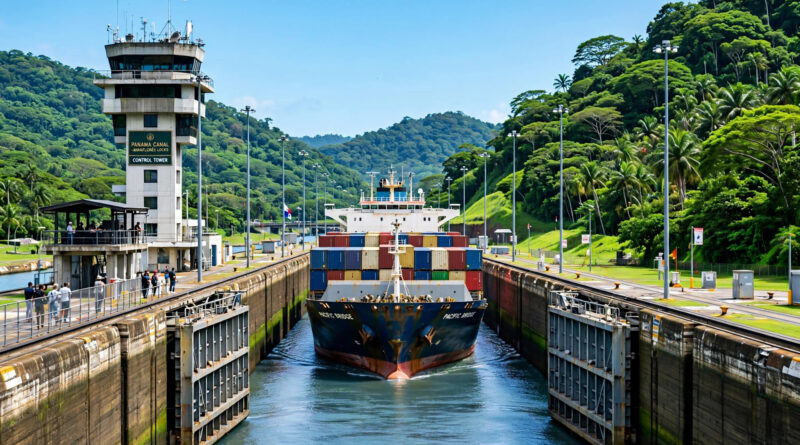
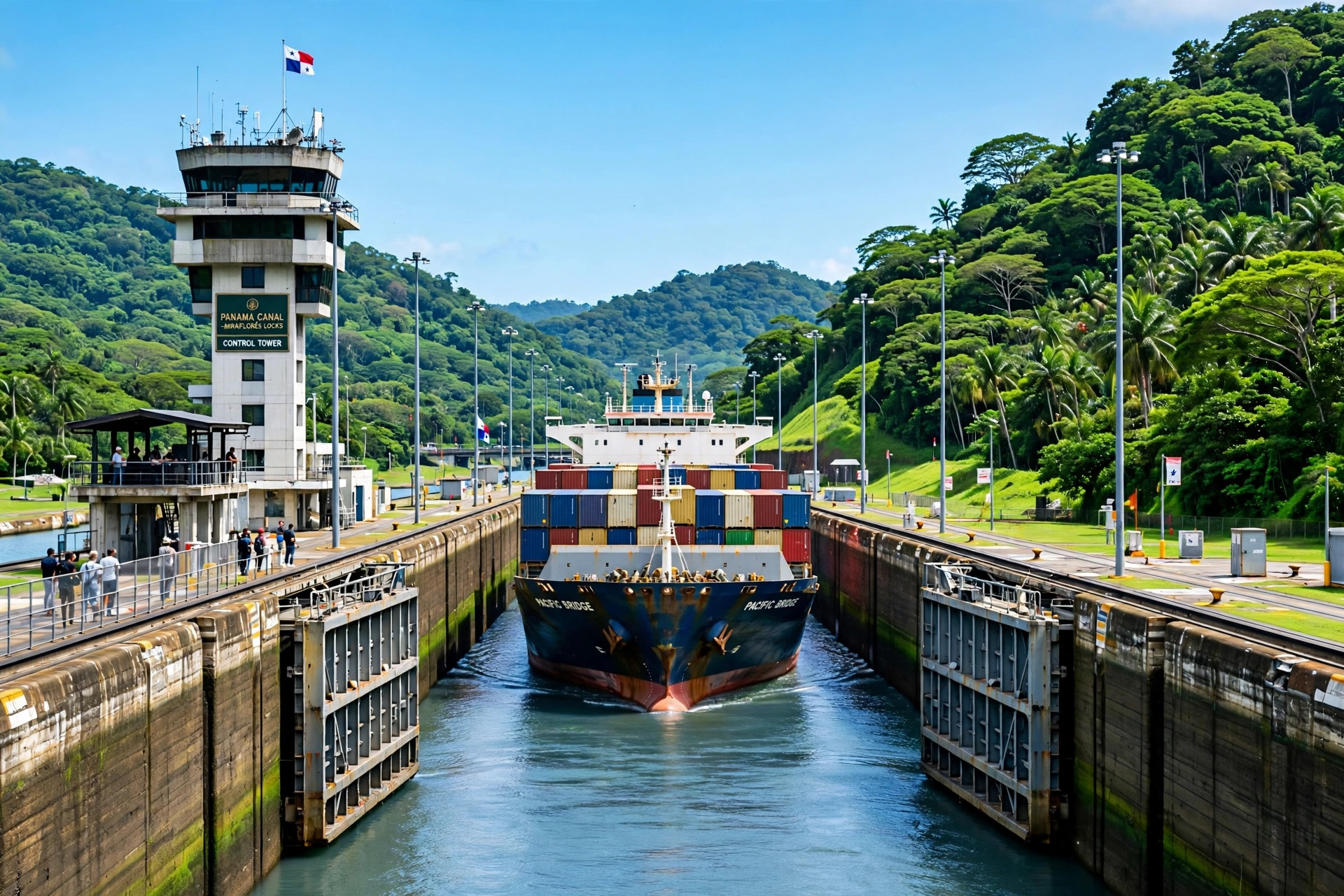
The Panama Canal is Panama’s most famous landmark, and the story behind it is astonishing. After an earlier French attempt failed, the canal was completed and opened in 1914, cutting roughly 8,000 nautical miles off the sea journey between the Atlantic and Pacific. Ships are lifted about 26 meters above sea level through a staircase of locks — at Gatun on the Caribbean side and Pedro Miguel and Miraflores on the Pacific side — then lowered back down on the other side.
The canal was dramatically expanded in 2016 with a new set of larger locks, allowing today’s mega-ships to pass through. For visitors, the Miraflores Locks near Panama City offer the best front-row seat: a visitor center with viewing terraces where you can watch massive vessels glide through the chambers, often just meters away. It remains one of the great bucket-list experiences in the Americas — living proof of what human engineering can achieve.
A Geographic Quirk: Sunrise Over the Pacific, Sunset Over the Atlantic
Here is one of the most delightful panama fun facts: because the country curves in an S-shape, the sun rises over the Pacific Ocean and sets over the Atlantic (Caribbean) side. Panama is the only country in the world where this happens.
At its narrowest, the isthmus is only about 80 kilometers wide — narrow enough that, in theory, you could have breakfast on the Caribbean coast and lunch on the Pacific. This skinny land bridge also made Panama one of the most strategically important places on the planet, which is exactly why the canal was built here and not elsewhere. Stand on the Bridge of the Americas or the Amador Causeway and you can feel that geography under your feet: two oceans, one small country, and a history shaped entirely by the land between them.
A Biodiversity Hotspot: Paradise for Birdwatchers and Wildlife Lovers
Panama’s name is widely believed to come from an Indigenous word meaning “place of abundant fish,” and abundance is the theme everywhere you look. The country hosts roughly 1,000 bird species — from toucans and scarlet macaws to the dazzling resplendent quetzal of the western highlands — despite being smaller than South Carolina.
Legendary birding spots include Pipeline Road in Soberanía National Park, once called the best birding trail in the Americas, and the remote Darién region, where harpy eagles — among the world’s most powerful raptors — still soar. Beyond birds, you may spot sloths, howler monkeys, white-faced capuchins, and sea turtles nesting on Pacific beaches. To explore Panama’s wild side further, this Panama discovery guide is a great starting point for the country’s parks and natural places.
Casco Viejo: Panama’s Colonial Heart and Living Culture
Panama City’s historic quarter, Casco Viejo (also called San Felipe), is a UNESCO-listed maze of plazas, churches, and wrought-iron balconies. It was founded in the late 1600s after the original settlement, Panama Viejo, was sacked and burned during a pirate raid in 1671 — a dramatic chapter that still echoes in the old stone ruins you can visit today.
Centuries later, the district has been lovingly restored, blending boutique hotels and rooftop cafés with centuries-old cathedrals and the Presidential Palace. Panamanian culture is a rich mix: Spanish colonial heritage, Afro-Caribbean rhythms, and vibrant Indigenous traditions from the Guna, Emberá, and Ngäbe peoples. Look out for the pollera, Panama’s elaborate national dress, and the colorful mola textiles hand-sewn by Guna artisans — both are beautiful symbols of a culture proudly kept alive.
Islands and Beaches: From San Blas to Bocas del Toro
If the canal is Panama’s brain, its islands are its soul. The San Blas archipelago (Guna Yala), managed by the Indigenous Guna people, strings together some 365 tiny islands — local lore says one for every day of the year — with white sand, palm trees, and some of the clearest snorkeling water in the Caribbean.
On the other side of the isthmus, Bocas del Toro offers a laid-back Caribbean vibe with starfish-filled shallows and surf breaks, while the Pearl Islands and Coiba National Park draw divers and whale watchers to the Pacific. Travelers who love island-hopping often pair Panama with other Central American coastlines — our Belize Location guide covers another spectacular stretch of Caribbean shoreline worth adding to your list.
Practical Travel Tips for Visiting Panama
A few practical notes will make any Panama trip smoother. The dry season generally runs from December to April and is the most popular time for beach days and hiking, while the greener months bring afternoon showers and fewer crowds. Panama uses the U.S. dollar alongside its own balboa coins, so American travelers can skip the currency exchange entirely, and Spanish is the official language — learning a few basic phrases goes a long way.
Panama City has a modern metro system that makes getting around the capital easy and inexpensive, and domestic flights or buses connect the highlands, beaches, and islands. Pack light, breathable clothing, reef-safe sunscreen, and good walking shoes for Casco Viejo’s cobblestones. As with any destination, stick to well-traveled areas at night and keep valuables discreet. Panama pairs beautifully with wider Central America itineraries — see What Is Nicaragua Known For for ideas on combining highlights across the region. For deeper pre-trip reading, this Panama facts and travel guide rounds up everything you need to know before you go.
Frequently Asked Questions
What should you know about panama fun facts?
Panama fun facts center on three big themes: the Panama Canal (opened in 1914) and its role in world trade, the country’s one-of-a-kind geography — the only place where the sun rises over the Pacific and sets over the Atlantic — and extraordinary biodiversity, with roughly 1,000 bird species. Add a colonial old town, Indigenous cultures, and hundreds of islands, and you have a destination that is far more varied than its small size suggests.
What are the key things to consider for panama fun facts?
The key things to consider are timing, geography, and pace. Plan around the drier months (roughly December to April) for the easiest beach and hiking conditions, remember that the Caribbean and Pacific coasts offer very different experiences, and don’t try to rush — Panama rewards travelers who split time between the canal and the capital, the highlands or rainforests, and at least one island escape.
How can you make the most of panama fun facts?
You make the most of panama fun facts by experiencing them in person: watch ships transit the Miraflores Locks, take a guided bird walk on Pipeline Road, wander Casco Viejo’s plazas at golden hour, and spend at least a day or two on the islands of San Blas or Bocas del Toro. Booking local guides for wildlife and cultural visits adds depth you won’t get from a guidebook alone.
Conclusion
Panama proves that the most fascinating destinations are often the ones you can cross in a day. A century-old canal that still moves the world’s cargo, a sunrise over the Pacific and a sunset over the Atlantic, rainforests humming with a thousand bird species, and island chains straight out of a postcard — these panama fun facts are really an invitation. Come see the isthmus where two continents meet, and you’ll leave understanding why this small country has loomed so large in the world’s imagination.