Things to Do in Mexico City: Best Attractions, Tips & Local Highlights
Choosing the things to do in Mexico City that deserve your limited time is a genuinely hard problem — not because the city lacks options, but because it has far too many. One of the oldest and largest cities in the Americas, Mexico City layers Aztec ruins beneath Spanish colonial churches, surrounds them with world-class museums, and wraps it all in a street-food culture that locals defend with fierce pride. First-time visitors are often surprised by how green, walkable, and culturally dense the capital feels once they leave the airport behind.
This guide covers the essential things to do in Mexico City: the landmark sights no visit should miss, the neighborhoods that reveal the city’s personality, the food experiences that define it, and practical tips that help first-timers navigate altitude, safety, and the sheer scale of it all. Whether you have three days or a full week, start here.
Key Takeaways
- The Historic Center (Centro Histórico), Chapultepec Park, and Coyoacán form the classic triangle of things to do in Mexico City — plan at least one full day for each.
- Top sights include the Zócalo, Templo Mayor ruins, the National Museum of Anthropology, Chapultepec Castle, the Frida Kahlo Museum, and the Xochimilco canals.
- Mexico City sits at high altitude, so take it easy on your first day, drink water, and limit alcohol until you acclimate.
- Street food is central to the experience: tacos, tamales, and market lunches are safe to eat when stalls are busy and food is cooked fresh in front of you.
Start in the Historic Center: the Zócalo and Beyond
Every list of things to do in Mexico City begins in the Centro Histórico, the UNESCO-listed old town built directly over the Aztec capital of Tenochtitlan. The Zócalo (Plaza de la Constitución) is one of the largest public squares in the world, and it anchors everything around it: the Metropolitan Cathedral, the National Palace with its sweeping Diego Rivera murals, and the Templo Mayor archaeological site.
Do not skip the Templo Mayor. Excavated ruins of the Aztec Great Temple sit just a block off the Zócalo, and the attached museum displays artifacts pulled from the site itself — stone carvings, ceremonial objects, and offerings that make the pre-Hispanic history feel immediate rather than abstract. Give the Historic Center a full morning: arrive early for the cathedral and Templo Mayor, then wander the pedestrian streets radiating from the square, where bookstores, cantinas, and historic buildings compete for your attention.
Chapultepec Park: Castle, Museums, and Green Space
Bosque de Chapultepec is one of the largest urban parks in the Western Hemisphere, and it concentrates some of the finest things to do in Mexico City in one walkable area. At its crown sits Chapultepec Castle, the only royal castle in the Americas that actually served as a residence for a sovereign — Emperor Maximilian I lived there in the 1860s. Today it houses the National Museum of History, with period rooms, murals, and terraces that offer panoramic views across the city. You can find visitor information and current exhibitions on the museum’s official site at mnh.inah.gob.mx.
At the park’s edge stands the Museo Nacional de Antropología, Mexico’s most important museum and arguably the single best museum visit in the country. Its vast halls trace the civilizations of Mesoamerica — Aztec, Maya, Olmec, Zapotec — anchored by the famous Aztec Sun Stone. Budget at least half a day; the collections are deep, the courtyard architecture is a sight in itself, and rushing it is the most common visitor mistake.
Coyoacán and the Frida Kahlo Museum
South of the center, Coyoacán preserves the feel of a colonial village absorbed by the metropolis: cobblestone plazas, a centuries-old parish church, and markets selling everything from coffee to crafts. Its star attraction is the Museo Frida Kahlo — the Casa Azul, the cobalt-blue house where Frida Kahlo was born, lived, and died.
The museum is intimate and deeply personal, displaying her art, her wardrobe, the garden she loved, and the studio she shared with Diego Rivera. One essential tip: timed-entry tickets sell out days or even weeks ahead in peak season, so book online well before your trip rather than hoping to walk in. The surrounding neighborhood is worth lingering in afterward, with its plaza cafés and weekend artisan market offering a relaxed counterpoint to the downtown bustle.
Float Through Xochimilco on a Trajinera
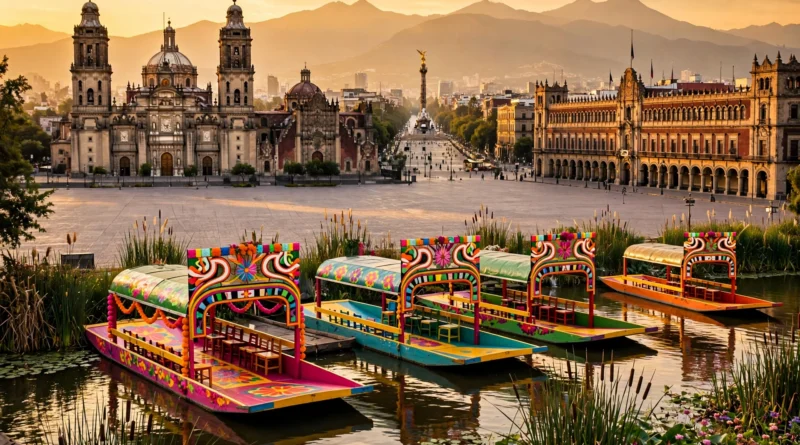
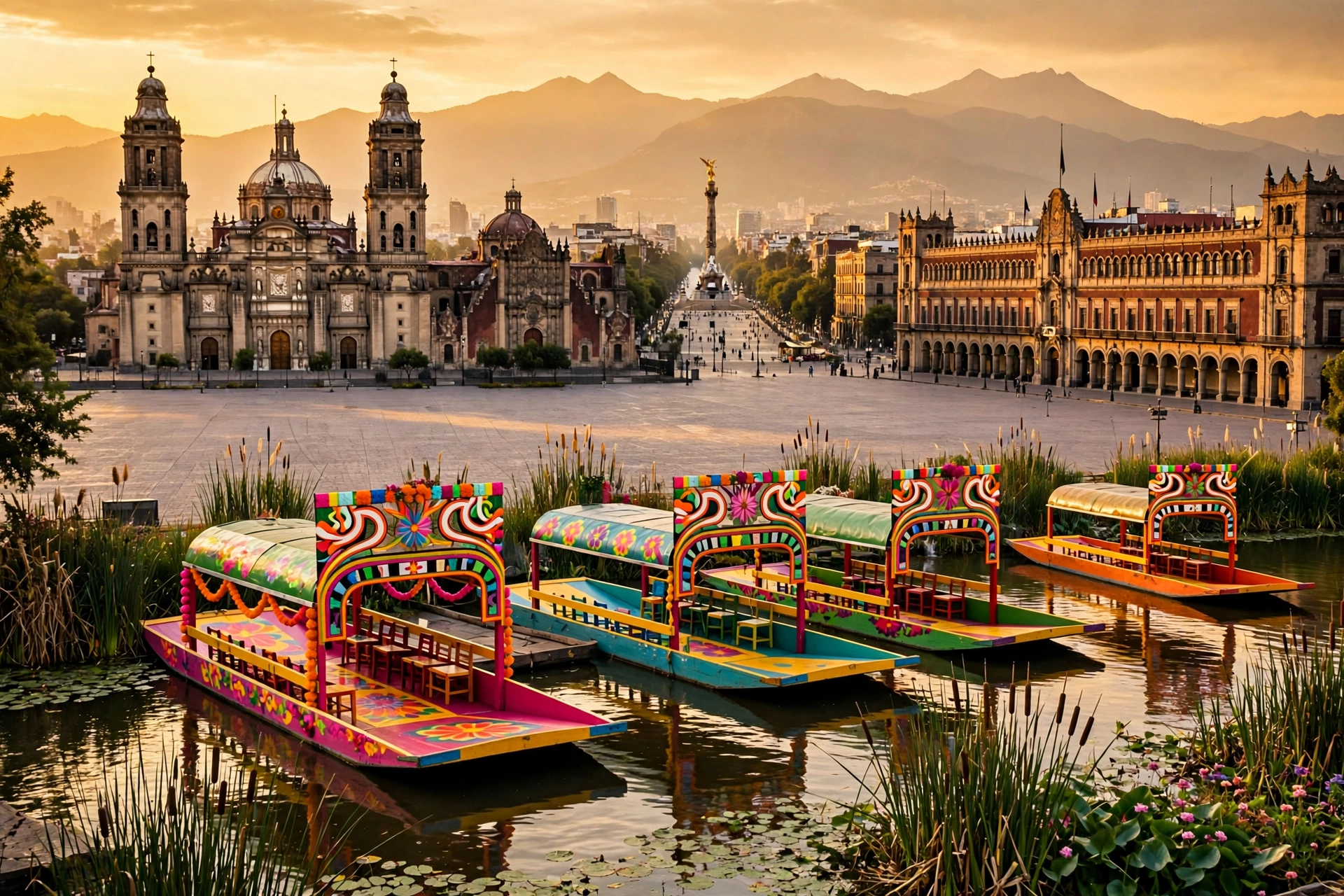
For one of the most joyful things to do in Mexico City, head to the southern borough of Xochimilco, where a surviving network of Aztec-era canals (the chinampas) is navigated aboard trajineras — long, brightly painted flat-bottomed boats. Groups pile aboard with food and drinks, mariachi boats pull alongside, and the whole canal becomes a floating fiesta, especially on weekends.
Practical advice: go in a group or join an organized ride rather than hiring a boat solo, agree on the duration and total price before boarding, and bring snacks and drinks (vendors along the canal also sell them). The journey is slow and cheerful, and the flower-filled chinampa gardens floating past the boat are a living reminder that this landscape predates the city itself by centuries.
Eat Your Way Through Markets and Street Food
Some of the best things to do in Mexico City are measured in tacos. The city’s street-food culture is legendary: tacos al pastor carved from the trompo, tamales steamed in corn husks, tlacoyos topped with cactus and cheese, elotes slathered in lime and chili. Markets are the other essential layer — sprawling halls where locals eat multi-course set lunches (comida corrida) for a fraction of restaurant prices.
Food-safety common sense applies: choose stalls with high turnover, eat food cooked fresh in front of you, and stick to bottled or purified water. Beyond street food, the capital’s fine-dining scene has earned global recognition, so if your budget allows, one upscale dinner is a worthwhile splurge. And if your travels take you beyond the capital, our Cabo San Lucas travel guide covers another side of Mexico worth pairing with your trip.
Take a Day Trip to Teotihuacán
About an hour northeast of the city rise the pyramids of Teotihuacán, one of the most impressive archaeological sites in the world. The Avenue of the Dead runs between the massive Pyramid of the Sun and the Pyramid of the Moon, in a city that once housed over 100,000 people — at a time when it may have been one of the largest cities on Earth.
Go early in the morning to beat both the crowds and the midday sun; there is almost no shade on the site. Bring a hat, sunscreen, and plenty of water. Buses run regularly from the city’s northern bus terminal, or join a guided tour if you prefer context from an expert. The murals and residential compounds reward visitors who look beyond the two great pyramids, so allow a full day.
Practical Tips for First-Time Visitors
A few essentials make every list of things to do in Mexico City more enjoyable. First, the altitude: the city sits at roughly 2,240 meters (7,350 feet), and visitors from sea level often feel it on day one. Take it slow, stay hydrated, and postpone the mezcal tasting until you have acclimated. Second, the metro is cheap, fast, and efficient for sightseeing, while registered app-based taxis are the sensible choice late at night.
On safety, exercise standard big-city awareness: keep valuables discreet, stay on main avenues after dark, and keep to well-traveled tourist areas at night. For official trip-planning resources, the city’s visitor portal at visitmexicocity.com offers itineraries, maps, and event listings. Finally, the best months for reliably dry, pleasant weather run from November through March, though the city is worth visiting year-round — just expect afternoon showers in the rainy season.
Frequently Asked Questions
What are the best things to do in mexico city?
The best things to do in Mexico City include exploring the Historic Center and Templo Mayor, visiting the National Museum of Anthropology and Chapultepec Castle, touring the Frida Kahlo Museum in Coyoacán, floating through Xochimilco on a trajinera, sampling street food and markets, and taking a day trip to the Teotihuacán pyramids.
When is the best time to visit mexico city?
The best time to visit Mexico City is generally November through March, when the weather is dry, sunny, and pleasantly mild. The rainy season (roughly May through October) brings afternoon showers but also fewer crowds. Early November is festive thanks to Día de Muertos celebrations, and December adds holiday atmosphere without harsh winter weather.
What should visitors know before exploring things to do in mexico city?
Before exploring things to do in Mexico City, know that the city sits at high altitude — take your first day easy and drink plenty of water. Learn basic Spanish phrases, carry small bills for markets and street food, use app-based taxis at night, and book popular museums like the Frida Kahlo Museum in advance. If you enjoy big-city travel guides, our things to do in New York City guide follows the same format for another great urban trip.
Conclusion
The things to do in Mexico City reward travelers who give the capital proper time: three days covers the highlights, five to seven days lets you settle into its rhythm. From Aztec ruins and imperial castles to canal boats and taco stands, few cities on Earth pack this much history, art, and flavor into one destination. Plan around the altitude, book the big museums ahead, eat fearlessly but smartly — and expect to leave already planning your return.