Things to Do in Senegal: Best Attractions, Tips & Local Highlights
If you are researching things to do in Senegal, you have picked one of West Africa’s most rewarding destinations. Senegal sits at the westernmost point of Africa, where the Sahel meets the Atlantic Ocean, and it blends centuries of history with a famously warm culture the Wolof call teranga — hospitality. The country packs in UNESCO World Heritage sites, colorful colonial towns, surf-worthy beaches, wildlife reserves, and bird sanctuaries, all within a relatively compact and stable country that travelers from the US, UK, EU, Canada, and Australia can enter visa-free for up to 90 days.
From the bustling streets of Dakar to the quiet waterways of the Sine-Saloum Delta, the best attractions in Senegal reward slow travel. This guide walks you through the top experiences, plus practical tips on when to visit, how to get around, and what to know before you go.
Key Takeaways
- Senegal’s top attractions include Gorée Island, the Pink Lake (Lac Rose), Saint-Louis, the Djoudj National Bird Sanctuary, and the Petite Côte beaches — all within easy reach of Dakar.
- The dry season from November to May is the best time to visit Senegal, with the coolest and most comfortable weather in December through February.
- Citizens of the US, UK, EU, Canada, and Australia enter visa-free for up to 90 days; French is the official language and Wolof the everyday lingua franca.
- Senegal uses the West African CFA franc (XOF); cards work in Dakar’s larger hotels and restaurants, but carry cash elsewhere.
Start in Dakar: Markets, Museums, and the Oceanfront
Dakar, Senegal’s capital, is the country’s cultural and economic heart — and the westernmost point on the African continent. It is an energetic city of busy markets, live music, and oceanfront neighborhoods, and most visitors spend at least a day or two here.
Begin at the Museum of Black Civilisations (Musée des Civilisations Noires), a modern museum dedicated to African art, history, and culture. Nearby, the Medina quarter and Sandaga Market offer the full sensory experience of Dakar’s street life: fabrics, spices, tailors, and traders. The African Renaissance Monument, a towering bronze statue on the outskirts of the city, is taller than the Statue of Liberty and offers sweeping views over the city and ocean.
Dakar’s music scene is legendary — the mbalax sound made famous by artists like Youssou N’Dour is still a fixture of local nightlife, and live venues across the city host performances, especially on weekends.
Take the Ferry to Gorée Island
No list of things to do in Senegal is complete without Gorée Island, a UNESCO World Heritage site lying just a short ferry ride off the coast of Dakar. The island is best known for the House of Slaves (Maison des Esclaves), a memorial to the Atlantic slave trade that today serves as a place of remembrance and reconciliation. The island’s pastel-colored colonial buildings, narrow streets, and artist community give it a distinctive atmosphere, and the ferry makes it an easy half-day or full-day trip from the capital.
Inscribed by UNESCO in 1978 as a “memory island” symbolizing the slave trade, Gorée is today a pilgrimage destination for the African diaspora; you can read UNESCO’s listing for the Island of Gorée for the full historical background. Allow time to wander the island’s lanes and browse local art galleries.
See the Pink Lake (Lac Rose / Lake Retba)
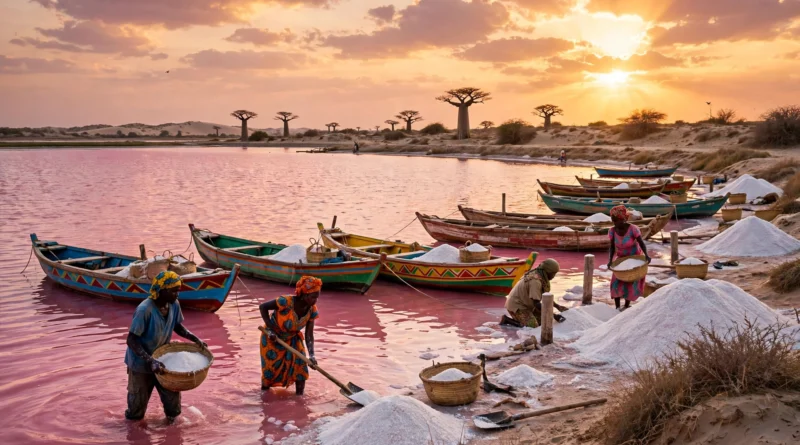
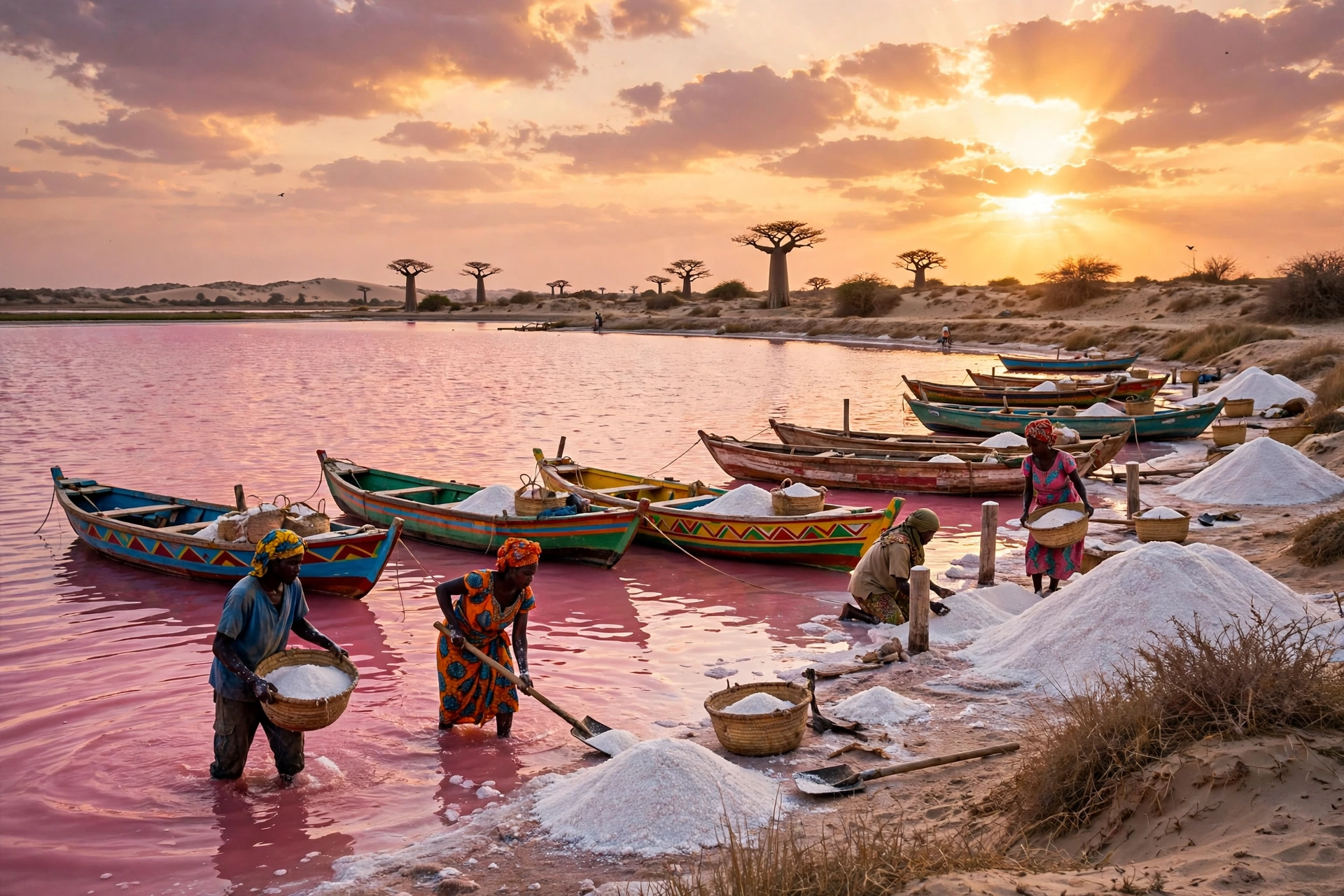
One of Senegal’s most photographed natural wonders is Lake Retba, better known as Lac Rose — the Pink Lake. Located northeast of Dakar, this shallow saltwater lake turns shades of pink and rose thanks to salt-tolerant algae, and the effect is strongest in the dry season under bright sun.
Locals harvest salt from the lake, piling it into mounds along the shore — a scene that makes for remarkable photos with colorful wooden pirogues (traditional fishing boats) in the foreground. Day trips from Dakar are common, and many visitors combine the Pink Lake with a stop at the nearby Ngor Island or a beach visit on the way back.
Saint-Louis and the Djoudj National Bird Sanctuary
North of Dakar, Saint-Louis was the capital of Senegal from 1872 to 1957 and retains the elegant colonial architecture of its French-colonial era. The historic island of Saint-Louis has been a UNESCO World Heritage site since 2000, with its colorful buildings, the famous Faidherbe Bridge, and a relaxed riverside atmosphere along the Senegal River. Traditional pirogue boat rides on the river are a highlight.
From Saint-Louis, birdwatchers head to the Djoudj National Bird Sanctuary, a UNESCO-listed site that hosts around 400 bird species, including flamingos and pelicans — one of the world’s great birding destinations. The sanctuary sits in the Senegal River delta and is best visited in the dry season when migratory birds arrive in large numbers. Bring binoculars and a local guide to make the most of the visit.
The Petite Côte, Bandia Reserve, and Sine-Saloum Delta
South of Dakar, the Petite Côte is Senegal’s main beach stretch — sandy shores, beachfront guesthouses, and a relaxed pace. Towns like Saly and Mbour are popular bases, and the area is also the jumping-off point for wildlife excursions.
The Réserve de Bandia, a private wildlife reserve on the Petite Côte, offers a safari-style experience close to Dakar. Visitors can see giraffes, zebras, and other animals on guided game drives through the reserve’s woodland and savanna — an easy half-day trip for anyone who wants a taste of wildlife without heading far inland.
Further south, the Sine-Saloum Delta — a UNESCO Biosphere Reserve — is one of Senegal’s most atmospheric regions. Cruise its winding waterways by pirogue, spot bird species along the mangroves, visit traditional fishing villages, and try your hand at fishing or simply relax on the riverbanks. Palmarin, at the delta’s edge, is a good base for exploring.
If West African island escapes appeal to you, also consider pairing a Senegal trip with the Cape Verde resorts — the island nation sits just off Senegal’s coast and makes a natural add-on to an itinerary in this part of the Atlantic.
Go South to Casamance and Cap Skirring
The Casamance region in southern Senegal feels like a different country: lush, green, and culturally distinct, with rice paddies, mangrove forests, and villages influenced by Diola traditions. It remains one of the most rewarding things to do in Senegal for travelers willing to venture beyond the classic northern circuit.
Cap Skirring, at the southern tip of the Senegalese coast, is home to some of the country’s most stunning beaches — small villages, palm-fringed sand, and long lazy days in the sun.
Travelers should note that the Casamance region has historically been subject to increased travel advisories due to a long-running separatist conflict that has largely wound down; check your government’s current travel advice before visiting, and stick to well-traveled areas and rural routes recommended by local operators.
Practical Tips for Visiting Senegal
Best time to visit. November to May is the dry season — the best time to visit Senegal, with December to February offering the coolest, most comfortable weather. June to October is the hot, humid, and rainy season, though showers rarely last more than a couple of hours.
Entry and visa. Citizens of the US, UK, EU, Canada, and Australia can enter Senegal visa-free for up to 90 days with a passport valid for at least six months. Entry stamps are issued on arrival at Blaise Diagne International Airport or at land borders.
Money and language. The currency is the West African CFA franc (XOF). Cards are accepted at larger hotels and restaurants in Dakar, but cash is essential elsewhere. French is the official language, used in government, schools, and signage; Wolof is the everyday lingua franca. English is limited outside upscale hotels and tour operators, so a few French phrases go a long way.
Getting around. Senegal has a good road network. Within Dakar, local transport includes taxis and colorful sept-places (shared cars); between cities, intercity buses and private drivers are the most practical options.
Food. Senegalese cuisine is considered one of Africa’s richest. Don’t miss thieboudienne (the national dish of fish and rice), yassa (marinated chicken or fish with onions and lemon), and fresh seafood everywhere along the coast.
For a deeper dive, see this comprehensive Senegal travel guide covering budget, safety, and regional itineraries. And if mountains are on your mind after the Sahel, the Atlas Mountains of Morocco make a strong second African destination.
Frequently Asked Questions
What are the best things to do in senegal?
The best things to do in Senegal include visiting Gorée Island (a UNESCO World Heritage site) off Dakar, seeing the Pink Lake (Lac Rose), exploring colonial Saint-Louis, birdwatching at the Djoudj National Bird Sanctuary, taking a safari in the Bandia Reserve, cruising the Sine-Saloum Delta by pirogue, and relaxing on the beaches of the Petite Côte and Cap Skirring. Together, these are the essential things to do in Senegal on a first visit.
When is the best time to visit senegal?
The best time to visit Senegal is during the dry season from November to May, with December to February being the sweet spot for cooler, comfortable temperatures. June to October is the hot, humid, and rainy season, though showers rarely last more than a couple of hours.
What should visitors know before exploring things to do in senegal?
Before exploring things to do in Senegal, know that US, UK, EU, Canadian, and Australian citizens enter visa-free for up to 90 days; the currency is the West African CFA franc (XOF) and cash is essential outside Dakar; French is the official language while Wolof is the everyday lingua franca; Senegal is considered one of the safest countries in West Africa, though minor crime in the capital warrants normal precautions; and the local culture of teranga (hospitality) means warm, welcoming interactions with locals are part of the experience.
Conclusion
From the haunting history of Gorée Island to the flamingo-filled lagoons of Djoudj, the things to do in Senegal span history, nature, cuisine, and beach time in a country that genuinely lives up to its reputation for warmth. Start with Dakar and the classics — Gorée, the Pink Lake, Saint-Louis — then add the Petite Côte or Casamance if your time allows. Plan for the dry season, bring cash, learn a few French phrases, and let teranga do the rest.