West Virginia in the Fall: Dates, Events & What to Know
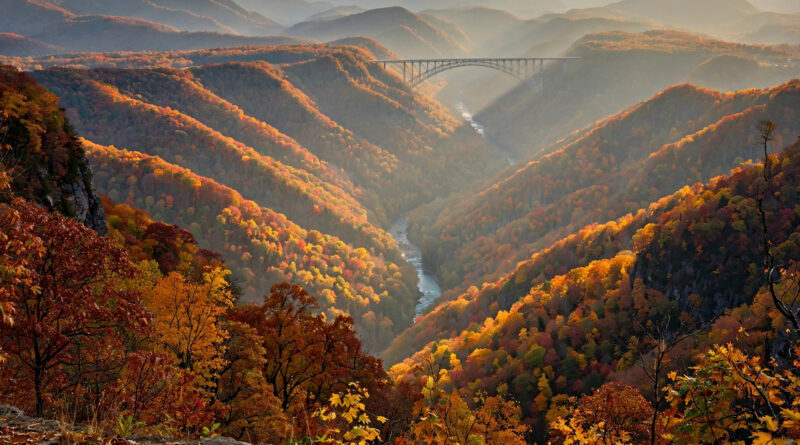
There is a reason the Mountain State is called almost heaven, and west virginia in the fall may be the strongest argument for the nickname. For roughly six weeks each autumn, the state’s ridges and hollows trade their summer greens for one of the most varied displays of fall color in the eastern United States — reds, oranges, and golds from dozens of hardwood species, layered across rolling mountains that seem made for scenic drives. Add small-town festivals, national-park vistas, and a pace of life that invites you to slow down, and you have one of America’s best-kept autumn secrets. Here is everything worth knowing before you plan your trip.
Key Takeaways
- West virginia in the fall peaks on a rolling schedule: high elevations turn color in late September to early October, most of the state peaks in mid-October, and lower valleys hold color into late October.
- The state’s biggest autumn attractions are the New River Gorge National Park and Preserve, Blackwater Falls and Canaan Valley, and the Highland Scenic Highway.
- Bridge Day, held on the third Saturday of October, is West Virginia’s most famous single-day fall event and coincides with peak foliage.
- Fall weekends book up fast in popular areas — reserve lodging well ahead, pack layers, and plan midweek visits if you can for thinner crowds.
When Do the Fall Colors Peak?
Unlike flatter states with a single peak weekend, west virginia in the fall unfolds like a slow wave that moves downhill over several weeks. Elevation is the main driver: areas above 3,000 feet change color roughly 10 to 14 days ahead of the valleys below them, so the calendar of color is really a map of altitude.
The general pattern looks like this:
- Late September to early October: the highest ground turns first — places like Dolly Sods, Spruce Knob, and the Canaan Valley area see early color while much of the state is still green.
- Mid-October: peak season for most of the state. This is the sweet spot for classic destinations like Blackwater Falls, the Highland Scenic Highway, and the New River Gorge, which typically peaks around the middle to late part of the month.
- Late October: the show winds down in the higher country but continues at lower elevations, including the Eastern Panhandle around Harpers Ferry, where color can linger into early November.
Seasonal foliage forecasts reflect this rolling pattern. One national forecast places the state’s broader peak window from October 10 to October 24, while the Farmers’ Almanac outlook puts the central Appalachian corridor — which includes much of West Virginia — between October 12 and October 28 for a typical year (see the Leaves.com fall foliage forecast for year-to-year timing). Remember that these are estimates based on typical years, not guarantees: unusual heat, drought, or an early freeze can shift the schedule in either direction, so check a current foliage report close to your travel dates.
Best Places to See the Fall Foliage
Choosing where to watch west virginia in the fall depends on what kind of experience you want — big sweeping vistas, intimate waterfall hikes, or a small-town base with easy day trips. These are the standouts:
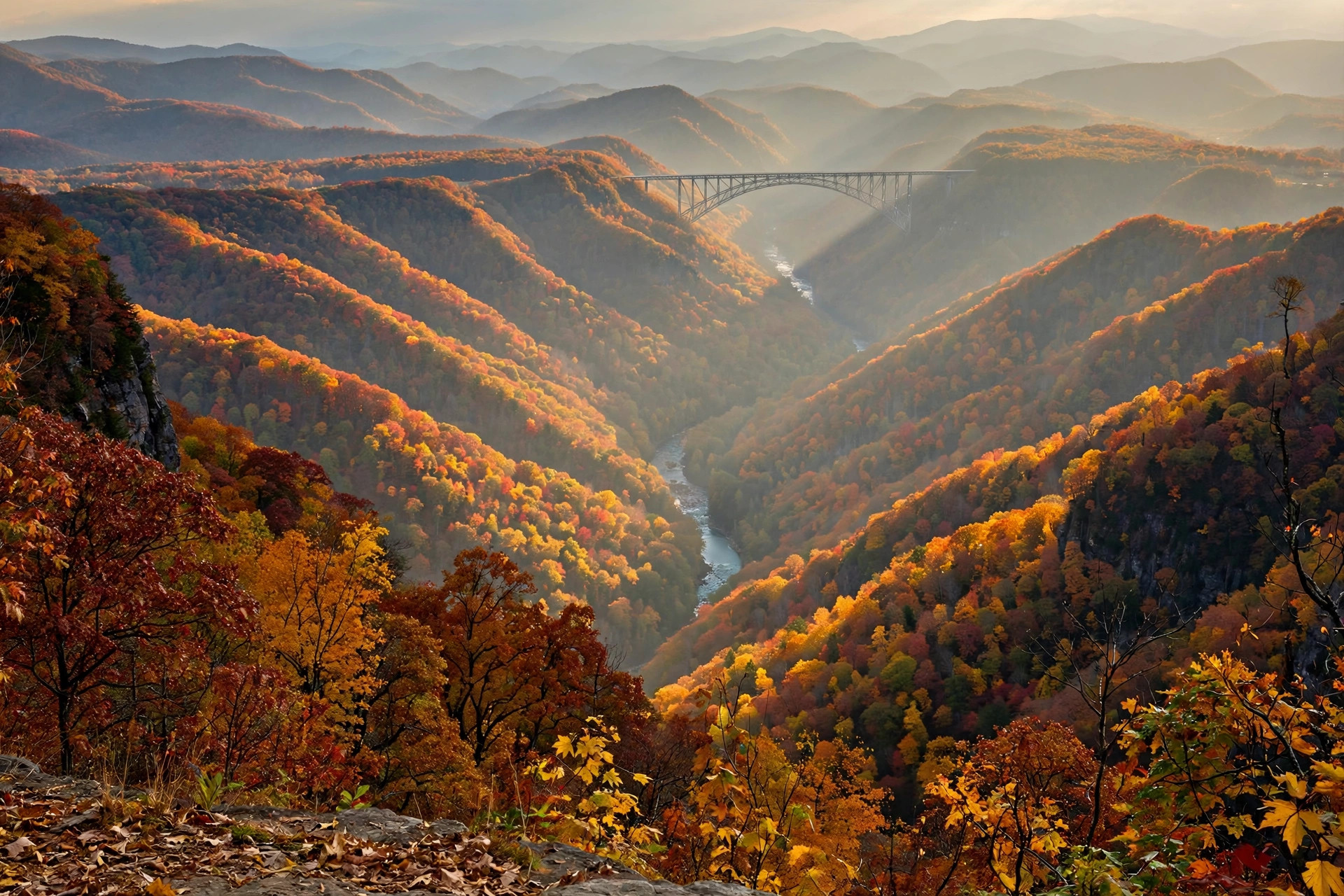
New River Gorge National Park and Preserve. The country’s newest national park is also one of its finest fall destinations. The gorge itself plunges over 800 feet deep, and in October its walls become a patchwork of color best appreciated from overlooks like Canyon Rim and Grandview. For a completely different perspective, the New River Gorge CVB’s guide to viewing foliage from above covers options from the famous bridge to guided catwalk walks beneath it.
Blackwater Falls State Park. The park’s namesake waterfall — its water tinted dark by mountain tannins — framed by flaming maples is one of the state’s most photographed autumn scenes. The surrounding Canaan Valley sits at high elevation, so it colors up early; plan a first-half-of-October visit here.
Dolly Sods and the high country. More subalpine than mountain, Dolly Sods offers a windswept, northern-feeling landscape of red spruce, blueberry barrens, and rocky plains. The color here is earlier and different from anywhere else in the state — a must for serious leaf-peepers.
Harpers Ferry and the Eastern Panhandle. Where the Potomac and Shenandoah rivers meet, historic Harpers Ferry combines wooded hillsides with history. Because it sits at lower elevation, this corner of the state is the place to extend your trip into late October.
Seneca Rocks and the Potomac Highlands. The dramatic quartzite fins of Seneca Rocks rise above forested valleys that glow in autumn — a classic pairing of scenery and color.
If you are building a multi-state foliage itinerary, our guide to a New England fall road trip shows how another famous region structures its peak season, while the fall leaves guide for Colorado covers the western counterpart.
Scenic Drives Worth Taking
West virginia in the fall is arguably best experienced through the windshield — and occasionally with the windows down to catch the smell of woodsmoke. A few routes deserve special attention:
- The Highland Scenic Highway. This designated national scenic byway runs for more than 40 miles through some of the state’s highest terrain, crossing ridges with long views in both directions. In October it is one of the premier leaf-peeping drives in the East.
- The Midland Trail. This historic route follows much of the old National Road across the state, passing through small towns that are worth stops in their own right during festival season.
- Route 219 through the Potomac Highlands. Winding south through farm valleys and past the Green Bank area, this is the scenic, slow way through some of the state’s prettiest countryside.
- The back roads around Canaan Valley and Dolly Sods. Forest roads and byways here thread through high-country color that peaks earlier than almost anywhere else in the region.
A practical note for drivers: mountain roads reward unhurried driving. Build extra time into your itinerary, keep an eye out for scenic overlooks and pull-offs, and be prepared for patchy cell service in the high country — download maps offline before you go.
Fall Events and Festivals
West virginia in the fall is festival season, and small towns across the state celebrate the harvest in ways that are worth planning a trip around:
- Bridge Day. West Virginia’s most famous single-day festival takes place on the third Saturday of October on and around the New River Gorge Bridge — the only day of the year pedestrians can walk the span. BASE jumpers and rappellers descend from the bridge 876 feet above the gorge while vendors, food, and a 5K race fill the day. It deliberately coincides with peak foliage, so book lodging early.
- Apple and pumpkin harvest festivals. Harvest celebrations are a fall tradition across the state’s orchard country, typically featuring cider, baked goods, crafts, and family activities.
- Leaf festivals and heritage weekends. Mountain towns host weekend celebrations built around the color — craft markets, traditional music, and local food vendors are common threads.
- Heritage railroad excursions. Scenic railroad trips through the mountains, including the state’s famous mountain railroads, run special fall excursions when the foliage is at its best.
- Oktoberfest-style and harvest food events. Larger towns host autumn food and beer festivals that pair well with a foliage weekend.
Because specific festival dates shift year to year, check with the state’s tourism office or the town’s official site before finalizing travel plans.
Outdoor Adventures Beyond Leaf-Peeping
The color is the headline, but west virginia in the fall is also one of the best times of year to be outside for other reasons. Cooler temperatures and thinner crowds make autumn ideal for hiking the state’s extensive trail systems — long-distance trails, state park loops, and gorge-rim paths all shine in October.
Adventure sports keep running well into fall. Whitewater rafting on the New and Gauley rivers is a signature West Virginia experience, with autumn trips pairing exciting rapids with riverside color. The New River Gorge is also one of the premier rock-climbing destinations in the eastern United States, and fall’s cool, dry air is considered prime climbing weather. Guided zip-line and canopy tours operate in several locations, offering a bird’s-eye view of the changing forest.
Fall is also hunting season in much of the state, which matters for hikers: wear bright colors on trails, especially in state forests and wildlife management areas, and check the current season calendar before heading out.
Where to Stay and Practical Planning Tips
A great fall trip to west virginia in the fall comes down to timing and logistics. Here is what to sort out before you go:
- Book lodging early. October weekends in and around the New River Gorge, Canaan Valley, and other popular areas sell out well in advance. If your dates are flexible, midweek stays are easier to find and often cheaper.
- Pack layers. Mountain weather in October is famously changeable: warm afternoons can follow near-freezing mornings, especially at elevation. A warm base layer, a wind-resistant outer layer, and a rain shell cover most situations.
- Consider lodging types. Options range from national-park-adjacent lodges and state park cabins to vacation rentals, bed-and-breakfasts, and small-town inns. Cabins in the high country are especially popular for foliage season and go first.
- Plan for crowds at peak spots. Iconic overlooks and Bridge Day itself draw big numbers on peak weekends. Arrive early in the day for popular viewpoints, and have a backup plan if a trailhead parking lot is full.
- Keep the tank full. Distances between services can be long on mountain roads. Refuel when you see a station, carry water and snacks, and download offline maps.
Finally, give yourself more time than you think you need. The best moments of a fall trip in the mountains — the unplanned overlook, the roadside apple stand, the trail that looks too pretty to skip — are the ones you cannot schedule.
Frequently Asked Questions
When is the best time to visit west virginia in the fall?
The best time is mid-October for most of the state, when the widest area is at or near peak color. High-elevation areas like Dolly Sods and Canaan Valley peak earlier — late September to early October — while lower valleys and the Eastern Panhandle hold color into late October. Seasonal forecasts typically place the state’s overall peak window from about October 10 to October 28, depending on the year and the weather.
What can you do at west virginia in the fall?
Beyond leaf-peeping at overlooks and along scenic drives, you can attend festivals like Bridge Day on the third Saturday of October, hike state park and national park trails, try whitewater rafting on the New and Gauley rivers, rock climb in the New River Gorge, ride scenic railroad excursions, and browse harvest festivals and craft markets in mountain towns.
What should you know before planning west virginia in the fall?
Know that color peaks on a rolling schedule by elevation, so match your destination to your dates. Book October lodging well in advance, pack layers for changeable mountain weather, expect patchy cell service in the high country, wear bright colors on trails during hunting season, and leave extra time in your itinerary for spontaneous stops.
Conclusion
West virginia in the fall earns its place on any autumn travel shortlist: weeks of rolling color across genuine mountain scenery, a national park that rivals anything in the East, festivals with real local character, and outdoor adventures that go far beyond sightseeing. Time your visit to the elevation you want to see, book ahead, and let the back roads do the rest. Almost heaven is not just a lyric — in October, it is an itinerary.