Auto Glass Repair Services: a Practical Guide
Auto Glass Repair Services: a Practical Guide
A chipped windshield or cracked side window can feel like a small problem, but auto glass repair services exist for a reason: your vehicle’s glass is a structural safety component, not just a window to the road. The windshield supports the roof in a rollover, helps airbags deploy correctly, and keeps debris out of the cabin. Knowing how these services work — what gets repaired, what gets replaced, how to pick a shop, and what to expect on the day — helps you act quickly, keep costs down, and stay safe. This guide walks through everything a driver needs to know before booking auto glass repair services.
Damage often starts small. A pebble kicked up on the highway leaves a tiny star-shaped chip, and temperature swings or road vibration can turn that chip into a spreading crack within days. Acting early usually means a simple, fast repair; waiting often means a full replacement. The sections below explain the difference, how to choose a provider, what insurance typically covers, and how to get the best result from the visit.
Key Takeaways
- Small chips and short cracks can often be repaired in under an hour, preserving your original factory seal; larger or edge damage usually requires full windshield replacement.
- Choose auto glass repair services based on certification, written warranties, quality glass options, and experience with your vehicle’s features — not on price alone.
- Act fast: fresh, clean chips repair far better than old, dirty ones, so cover the damage with clear tape and book a service promptly.
- Modern vehicles with driver-assistance cameras may need recalibration after a windshield replacement — confirm this with the shop before you book.

What Auto Glass Repair Services Actually Include
The term “auto glass” covers more than the windshield. Full-service shops work on the windshield, side windows, rear glass, and sunroofs, and most offer two main procedures: chip and crack repair, and glass replacement. Understanding which one you need is the first decision of the process.
Windshield chip repair is a targeted fix. A technician cleans the damaged area, mounts a small bridge tool over the chip, and uses alternating vacuum and pressure cycles to draw air out and force a special clear resin into the fracture. A UV light then cures the resin, the surface is scraped flush, and the area is polished. The repair restores much of the glass’s structural strength and stops the damage from spreading, though a faint blemish may remain visible in certain light. Most repairs take 30 to 60 minutes, and you can drive immediately afterward.
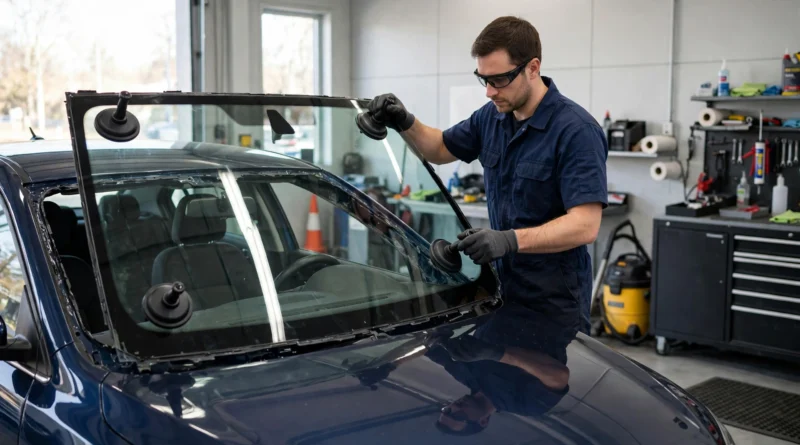
Windshield replacement is the full job: the technician removes the wipers and trim, cuts through the urethane adhesive holding the old glass, lifts it out, prepares the frame, beds the new windshield in fresh adhesive, and reinstalls the trim. Because the adhesive needs time to cure before the glass can do its structural job, you should not drive the vehicle for at least the time the technician specifies — commonly around an hour, longer in cold or humid conditions. Replacement also keeps your car’s factory seal intact only if done with care, which is why the shop you choose matters.
Side and rear glass behave differently from windshields: they are tempered, not laminated, so they shatter into small granules on impact and cannot be repaired — they must be replaced. Sunroof glass is similar and almost always a replacement job.
Windshield Repair vs. Replacement: How to Tell the Difference
The industry uses a few practical rules of thumb to triage damage, and knowing them helps you describe the problem accurately when you call. In general, repair is suitable when the damage is small (roughly the size of a coin or smaller), sits away from the glass edges, lies outside your direct line of sight, and is relatively fresh and clean. Replacement is the safer call when a crack is long or spreading, reaches the edge of the glass, penetrates the inner layer of the laminate, blocks your view, or when the damage is old, dirty, or milky-looking inside.
Location matters as much as size. Damage at the perimeter of the windshield compromises the bond to the frame and tends to spread; cracks in the driver’s primary viewing area can leave optical distortion even after a good repair, so replacement gives a clearer result. Multiple chips close together also push the decision toward replacement.
Your vehicle’s features raise the stakes further. Cameras for lane-keeping and automatic braking, heads-up displays, heated glass, and acoustic laminates all make the windshield a more complex part — and replacement on such vehicles typically requires sensor recalibration afterward. If repair is possible on these vehicles, it avoids disturbing the factory setup entirely, which is another reason to call early. For a balanced walkthrough of the repair-or-replace decision, see this windshield repair vs. replacement guide from an auto glass trade resource.
How to Choose the Right Auto Glass Repair Service
With so many shops advertising “windshield replacement near me,” a few checks separate the professionals from the risky ones. Start with technician certification: look for credentials from recognized bodies such as the Auto Glass Safety Council (AGSC) or the National Glass Association (NGA), which signal training in current safe-installation standards.
Ask about the glass itself. Reputable shops offer a choice between OEM (original equipment manufacturer) glass — made to the vehicle maker’s specification — and high-quality aftermarket glass that meets the same safety standards. Either can be fine, but the shop should be transparent about which it is installing and willing to show the glass branding or packaging. This guide to choosing an auto glass repair shop lists the exact questions worth asking on the phone, including cure times and warranty terms.
Insist on a written estimate and a workmanship warranty. Most established providers warranty their installation against leaks, wind noise, and defects for at least a year. If a shop will not put the quote or warranty in writing, keep looking. Reviews help too — read recent feedback for mentions of cleanliness, punctuality, and how the shop handled any follow-up issues, rather than just the star count.
Watch for red flags: rock-bottom prices that undercut every other quote (often a sign of thin glass, rushed adhesive work, or surprise add-ons), pressure to skip recalibration on a camera-equipped vehicle, no written paperwork, or a technician who says you can drive off immediately after a replacement. If you encounter shops that cut these corners, keep looking until you find ones that do the job properly. Our guide to auto repair costs explains why suspiciously cheap quotes so often cost more in the long run.
Understanding Costs and Insurance Coverage
Prices vary widely by vehicle, glass type, and region, but the pattern is consistent: a chip repair typically costs a small fraction of a full windshield replacement, and replacement on vehicles with sensor-laden or specialty glass costs more than on basic models. Mobile service sometimes carries a small convenience fee, though many shops include it. Getting two or three written quotes gives you a realistic range and quickly exposes outliers.
Insurance often makes the decision easier. If you carry comprehensive coverage, windshield repair is frequently covered with no deductible, and some policies waive the deductible for full replacement too. Filing a glass claim under comprehensive coverage generally does not affect your premium the way a collision claim can. Call your insurer (or check your policy documents) before booking: confirm whether the shop needs pre-authorization, whether you must use a network provider, and what your deductible would be for repair versus replacement. Having the damage documented — a quick photo with a date stamp — smooths the claim process.
One honest tip: do not let a shop bill work you do not need. If the damage qualifies for repair, a trustworthy technician will say so rather than upselling you to a replacement. When in doubt, ask a second shop — and remember that keeping the factory seal intact has real value, so “repair if possible” is usually the right instinct.
Mobile vs. In-Shop Service: Which Is Right for You
Most auto glass repair services now offer mobile service, where the technician comes to your home or workplace. For chip repairs and standard replacements, mobile work is convenient and perfectly fine — provided the technician follows the same curing procedures they would in the shop. Ask how they protect the work area from dust, wind, and rain, since contamination is the main risk of an outdoor job.
In-shop service has advantages for complex cases: controlled temperature and humidity for adhesive curing, proper equipment for ADAS camera recalibration, and easier access to the full glass inventory if something does not fit. If your vehicle needs calibration after a replacement, ask whether the mobile unit can do it on-site or whether the car must visit the shop. Either way, plan the appointment around the cure time — avoid scheduling something that forces you to drive immediately after the install.
Proper storage and care between appointments matters too. If you are waiting a few days for the glass to arrive, park under cover when you can and keep a weatherproof cover or tape over exposed areas after a shattering. See our practical car storage guide for keeping a vehicle safe and clean while it is out of service.
What to Expect During the Appointment
A standard chip repair is straightforward: the technician inspects the damage, explains whether repair is viable, cleans the area, performs the resin injection and UV cure, and polishes the spot. You can usually wait with the car and drive off immediately. The whole visit often fits inside a lunch break.
A replacement appointment takes longer — typically one to three hours depending on the vehicle. The technician should protect your dashboard and paint with covers, remove and carefully store trim and cowl pieces, cut out the old glass, clean and prime the frame (including treating any rust found in the pinch weld, which is a safety-critical step), set the new glass with fresh urethane adhesive, reinstall everything, and test for leaks and proper fit. For vehicles with forward-facing cameras or rain sensors mounted to the glass, calibration comes next: either static (with targets in the shop) or dynamic (a prescribed drive), and the shop should document that it was completed.
Before you pay, do a quick walkaround: check the glass edges for even seating, confirm the trim and wipers are reinstalled, look for urethane smears on the paint, and take the car for a short drive listening for wind noise. A reputable shop welcomes this inspection and will fix small issues on the spot.
Caring for Your Glass After the Service
After a repair, there is little to do beyond keeping the area clean — the resin is fully cured under the UV lamp. After a replacement, follow the technician’s instructions closely: avoid car washes and high-pressure water for at least the recommended period, leave any retention tape in place until the advised time, avoid slamming doors (the pressure pulse can disturb fresh adhesive), and keep the vehicle out of heavy rain for the first day if possible.
Longer-term habits prevent repeat visits. Keep a safe following distance on highways where gravel is common, replace worn wiper blades before they scratch the glass, park in shade or garages during extreme temperature swings, and deal with new chips within days — covering them with clear tape in the meantime keeps moisture and grit out of the fracture so the eventual repair bonds cleanly. Small care routines like these extend the life of every windshield and keep auto glass repair services to the rare occasion they should be.
Frequently Asked Questions
What should you know about auto glass repair services?
The most important thing to know is that auto glass is structural: the windshield supports the roof and helps airbags deploy, so the work should meet recognized safety standards. Choose a certified shop that offers written estimates and warranties, uses quality glass, and follows proper adhesive curing and — where applicable — camera recalibration procedures. Act quickly on new damage, because fresh chips repair far better than old ones, and repair is almost always cheaper and faster than replacement when it is still an option.
What are the key things to consider for auto glass repair services?
Consider four things: (1) whether the damage qualifies for repair or needs replacement — small, fresh, off-edge damage usually repairs; long, spreading, or edge damage usually replaces; (2) the shop’s certification, reviews, and written warranty; (3) whether your vehicle has driver-assistance cameras or sensors that require recalibration after a replacement; and (4) your insurance coverage, since comprehensive policies often cover repairs with no deductible and may waive it for replacements.
How can you make the most of auto glass repair services?
Get the most value by acting early — cover fresh chips with clear tape and book within days. Get two or three written quotes, ask about OEM versus quality aftermarket glass, and confirm cure times and recalibration before the appointment. After the work, follow the aftercare instructions (no car washes, no door slamming, keep retention tape on for the recommended period) and inspect the job before you leave the shop. Good aftercare is what turns a competent installation into a lasting one.
Conclusion
Auto glass repair services are one of those things you rarely think about until a rock hits your windshield — and then the decisions come fast. The good news is that the playbook is simple: cover the damage, call a certified shop promptly, understand whether repair or replacement fits your situation, and choose the provider on quality rather than price alone. With the right shop and a little aftercare, your glass goes back to doing its quiet, critical job — keeping you safe, dry, and on the road.