Things to Do in Nagano: Best Attractions, Tips & Local Highlights
Things to Do in Nagano: Best Attractions, Tips & Local Highlights
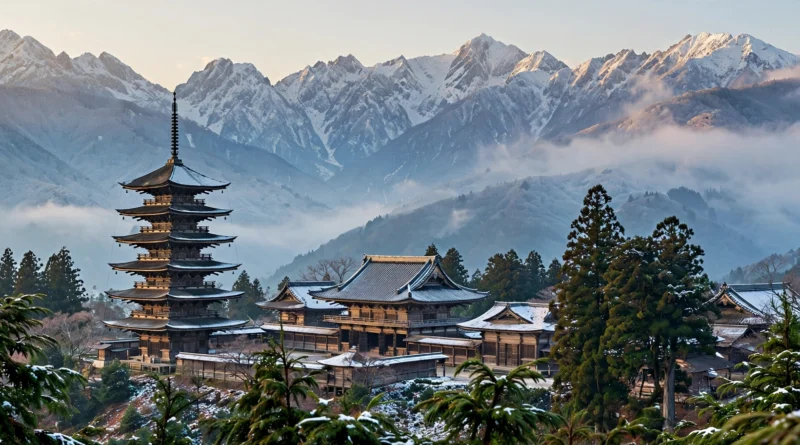
The best things to do in Nagano blend spiritual heritage, alpine adventure, and simple countryside pleasures. Tucked into the mountains of central Honshu, Nagano Prefecture is known as the “Roof of Japan,” with the highest peaks in the country, world-famous ski resorts, and a pilgrimage history stretching back fourteen centuries.
The capital city — host of the 1998 Winter Olympics — makes an easy gateway: it is roughly 80 minutes from Tokyo by bullet train. Whether you come for snow monkeys in steaming hot springs, the sacred cedar avenues of Togakushi, or deep powder at Hakuba, Nagano rewards travelers who look beyond Japan’s big cities.
Key Takeaways
- Top attractions: Zenkoji Temple (a 1,400-year-old National Treasure), the Jigokudani snow monkey park, Togakushi’s shrines and ninja history, and Matsumoto Castle — Japan’s oldest surviving castle tower.
- Winter sports: Nagano hosts some of Japan’s best skiing and snowboarding at Hakuba Valley, Shiga Kogen, and Nozawa Onsen, all reachable as day trips or multi-day stays.
- Getting there: The Hokuriku Shinkansen runs from Tokyo Station to Nagano City in about 80 minutes; buses and local railways connect the city to the mountains.
- When to go: December–February for snow monkeys and skiing, April–June and October–November for hiking and autumn color; hot springs are excellent year-round.

Visit Zenkoji Temple, the Heart of Nagano City
No list of things to do in Nagano starts anywhere but Zenkoji Temple, the 7th-century Buddhist temple that the city literally grew up around. Its massive wooden main hall is a National Treasure and one of the largest wooden temple buildings in Japan. Pilgrims have walked its approach, the Nakamise shopping street lined with old shops and food stalls, for centuries — and joining the flow of morning worshippers is one of the most atmospheric experiences in the prefecture.
Arrive early if you can. The temple holds a daily morning ceremony, and the quiet of the vast hall before the crowds arrive is memorable. Walk the pitch-dark underground passage beneath the altar, where visitors feel their way along the wall searching for the “key to paradise” — a simple, centuries-old ritual that still draws a line of locals and tourists alike. Check the practical details on the Japan National Tourism Organization’s Nagano City guide before planning your route through the temple district.
Watch the Snow Monkeys of Jigokudani
The Jigokudani Wild Monkey Park in Yamanouchi is one of Japan’s most photographed natural spectacles: wild Japanese macaques soaking in a steaming mountain hot spring while snow falls around them. The park sits at about 850 meters elevation in the Joshinetsu Kogen National Park, reached by a forest trail of roughly two kilometers from the nearest bus stop — the walk itself, through cedar and birch forest, is half the pleasure.
Seeing the monkeys is not guaranteed: they are wild and roam freely, and bathing is mainly a winter behavior. December through February offers the classic snow-and-steam scenes, but monkeys are fed by park staff and usually present year-round; spring brings newborn babies and summer brings lush green scenery. The official site lists current hours — winter hours are generally 9 a.m. to 4 p.m. — and notes that monkey appearances can be sporadic in autumn. Read the official guide at Jigokudani Yaen-Koen’s English guide page on the day of your visit for hours and access updates. Wear shoes with good grip in winter; the trail gets icy.
Explore Togakushi’s Shrines and Ninja Lore
In the mountains north of Nagano City lies Togakushi, a place of misty cedar avenues and five ancient Shinto shrines connected by forest trails. The walk to the upper shrine, Okusha, passes beneath giant cedars estimated to be centuries old — an eerie, beautiful corridor that feels like the Japan of old legends. It is one of the finest short hikes in the prefecture and doable as a half-day trip from the city.
Togakushi is also the birthplace of a famous school of ninjutsu. The Togakure Ninja Museum displays antique weapons and a trick-filled “ninja house” with hidden doors and passages, and visitors can try their hand at throwing stars at a target range. Kids love the nearby ninja-themed village with its obstacle courses. Before or after the shrines, sit down for a bowl of Togakushi soba — hand-cut buckwheat noodles, the region’s signature dish, traditionally served in small stacked baskets.
Ski and Snowboard at Hakuba, Shiga Kogen & Nozawa Onsen
Nagano’s Olympic pedigree shows in its ski resorts. Hakuba Valley hosted Olympic events in 1998 and remains the international face of Japanese powder: ten resorts strung along the valley beneath the Northern Alps, with lift tickets, English-speaking instructors, and après-ski geared to foreign visitors. Even non-skiers come in summer for alpine flowers and gondola-accessed viewpoints.
Shiga Kogen is Japan’s largest linked ski area, set in a high plateau of interconnecting resorts and famous for deep, reliable snow. Nozawa Onsen pairs excellent skiing with a historic hot-spring village — after the lifts close, you can soak in centuries-old public baths and stroll streets that smell of woodsmoke and simmering soy. If snow is your main reason for coming, pair Nagano with our guide to snow scooters for another way to enjoy the white stuff on Japanese mountains.
Day-Trip to Matsumoto Castle and the Kiso Valley
About an hour south of Nagano City by limited express, Matsumoto is the gateway to the Northern Alps and home to Matsumoto Castle — Japan’s oldest surviving five-tiered castle tower, with its distinctive black-and-white exterior. Climbing its steep original staircases (watch your head) gives a real feel for samurai-era engineering. The castle grounds and the old merchant streets nearby are lovely in autumn and dramatic against snow in winter.
Continue south into the Kiso Valley to walk part of the old Nakasendo road, the mountain highway that linked Kyoto and Edo in the Edo period. Post towns like Narai, Magome, and Tsumago have been preserved to look much as they did centuries ago: wooden machiya townhouses, waterwheels, and cobbled lanes. It’s the same spirit as a classic Japan rail journey — for route-planning inspiration, see our day trips from Osaka guide to pair Kiso towns with a wider Kansai-to-Chubu itinerary.
Soak in Onsen Towns and Eat Like a Local
Nagano’s volcanic geology means hot springs are everywhere, and soaking is as much a cultural experience as a bath. Shibu Onsen, near the monkey park, is the classic onsen town: nine public bathhouses, stone lanes, and the tradition of hopping from bath to bath in a wooden key — wearing a yukata robe between baths is the accepted uniform. Many ryokan (traditional inns) have their own private and public baths, and staying in one is worth doing at least once.
Eating in Nagano is a highlight of its own. Beyond Togakushi soba, try oyaki — steamed dumplings filled with vegetables, mushrooms, or sweet bean paste — and Shinshu apples, among Japan’s best. Local sake breweries cluster across the prefecture, and no visit to Nagano is complete without sampling noodles in Obuse, the chestnut-sweet-making town that also honors the woodblock artist Hokusai with a small museum of his works.
Frequently Asked Questions
What are the best things to do in Nagano?
The best things to do in Nagano are visiting Zenkoji Temple, watching the wild snow monkeys at Jigokudani, hiking the cedar avenues of Togakushi’s shrines, skiing at Hakuba Valley or Nozawa Onsen, exploring Matsumoto Castle, and soaking in historic onsen towns like Shibu Onsen. Most are reachable as day trips from Nagano City.
When is the best time to visit Nagano?
The best time to visit Nagano depends on your interests: December–February for skiing and the snow monkeys at their most photogenic, late March–June for fresh green hiking season, and October–November for autumn color in the Alps and Kiso Valley. Onsen towns are rewarding in any season, and summer is pleasant in the highlands.
What should visitors know before exploring things to do in Nagano?
Before exploring things to do in Nagano, know that the prefecture is mountainous, so weather changes quickly — pack layers. The Hokuriku Shinkansen reaches Nagano City from Tokyo in about 80 minutes, but mountain attractions need local buses or trains, so check timetables in advance. Cash is still widely used in rural inns and small shops, and winter mountain trails require proper footwear.
Conclusion
Nagano rewards travelers who want the Japan behind the postcards: temple bells at dawn, monkeys in mountain hot springs, ninja shrines in cedar forests, and some of the finest powder in Asia. Because the prefecture is compact and well connected by rail, you can base yourself in Nagano City and cover the highlights in three or four days — or slow down, book a ryokan, and let the onsen steam work its magic. Either way, this is the part of Japan that turns first-time visitors into repeat ones — and the sheer variety of things to do in Nagano is why they keep coming back.